7 Eco-Friendly Flooring Options for Modern Homes
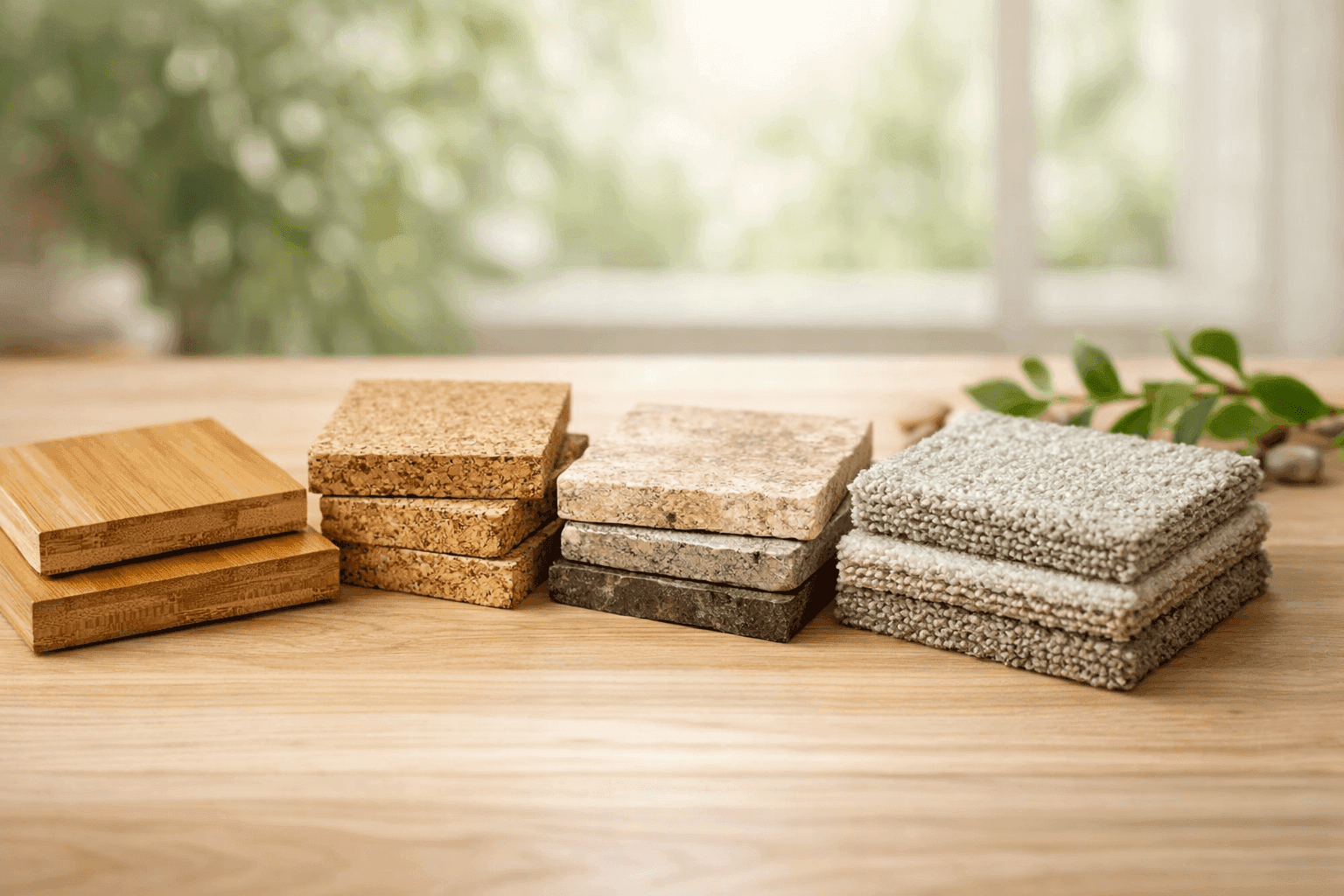
Rethinking Your Floors: Time for a Greener Approach
Modern life asks us to make smarter choices—especially at home. Floors may seem like just a backdrop, but every step you take can impact your family’s health and the environment. If your home is your sanctuary, shouldn’t your flooring be safe for everyone, including the planet?
At JC Carpet & Flooring, we see firsthand how eco-friendly flooring options are changing homes for the better. More than just a trend, these materials deliver real benefits: cleaner air, less waste, and long-lasting beauty without the guilt.
Why Eco-Friendly Flooring Matters Now
Every floor tells a story. Traditional materials can off-gas chemicals, trap dust, or contribute to landfill. Greener options, on the other hand, are like a breath of fresh air—literally. They’re designed to minimize pollutants and maximize durability.
And when you choose sustainable flooring, you’re not just ticking a box. You’re investing in a safer, smarter future for your family and everyone who walks through your door.
1. Bamboo Flooring: Strong, Stylish, and Fast-Growing 🌱
Bamboo isn’t just for pandas. It’s one of the fastest-growing plants on earth, making it a renewable superstar for modern flooring. When harvested responsibly, bamboo regenerates quickly—no replanting needed.
Pros:
- Durable (some strand-woven types rival hardwood)
- Naturally resists moisture and stains
- Modern, minimalist look
Cons:
- Sensitive to humidity swings (not ideal for damp basements)
- Quality varies—always ask about adhesives and finishes
Maintenance: Sweep often. Wipe spills quickly. Use gentle cleaners.
Cost: Comparable to mid-range hardwoods, but with environmental bragging rights.
Learn more about Bamboo Flooring.
2. Cork Flooring: Comfort Meets Conservation
Imagine walking across a forest floor after rain—soft, springy, and quiet. That’s cork. Harvested from the bark of cork oak trees (which keep growing after harvest), it’s a win for both comfort and conservation.
Pros:
- Cushiony underfoot; excellent for kitchens or playrooms
- Naturally resists mold, mildew, and pests
- Renewable: trees aren’t cut down
Cons:
- Can fade in direct sunlight
- Not as tough as hardwood against heavy furniture
Maintenance: Vacuum often. Use mats for high-traffic spots. Reseal every few years.
Cost: Mid to high range, but energy savings (cork insulates!) can offset the initial investment.
Find out more about Cork Flooring.
3. Reclaimed Wood: History Underfoot
Every scratch and knot in reclaimed wood tells a story. Salvaged from old barns, factories, or even ships, this flooring gives new life to lumber that might otherwise end up as waste.
Pros:
- Unique character—no two planks are the same
- Reusing old wood reduces demand for new trees
- Often harder and more stable than fresh timber
Cons:
- Can be pricey due to sourcing and refinishing
- Limited supply means longer lead times
Maintenance: Treat like hardwood—regular sweeping and occasional refinishing.
Cost: Higher upfront, but it’s a floor with a legacy.
4. Natural Linoleum: Old-School Green
Forget vinyl imposter. True linoleum is made from linseed oil, pine rosin, and wood flour pressed onto jute. It’s been around for over a century—now enjoying a well-deserved comeback.
Pros:
- Biodegradable and naturally antimicrobial
- Huge range of colors and patterns
- Soft, warm feel underfoot
Cons:
- Needs periodic sealing
- Can dent under heavy objects
Maintenance: Damp mop with mild cleaners. Avoid standing water.
Cost: Similar to high-end vinyl, but with a cleaner conscience.
5. Recycled Tile: Trash Turned to Treasure ♻️
Glass, porcelain, or ceramic tiles made from recycled content turn yesterday’s waste into today’s wow-factor flooring. Each batch is a mosaic of stories.
Pros:
- Extremely durable and easy to clean
- Endless design possibilities (think: shimmering glass, earthy ceramics)
- Keeps glass and ceramics out of landfills
Cons:
- Can be cold and hard underfoot
- Installation may require a skilled hand
Maintenance: Regular sweeping. Mop with pH-neutral cleaners.
Cost: Ranges from affordable to high-end, depending on design.
6. LVP with Green Credentials
Luxury Vinyl Plank (LVP) is everywhere—and with the right certifications, it’s not just stylish but sustainable. Look for brands using recycled content and low-VOC (volatile organic compound) formulations.
Pros:
- Water-resistant and tough as nails
- Mimics wood or stone without deforestation
- Some brands are fully recyclable at end of life
Cons:
- Not all LVP is created equal—ask for certifications (like FloorScore®)
- Some cheaper options may still off-gas chemicals
Maintenance: Sweep or vacuum often. Damp mop as needed.
Cost: Highly competitive—great for busy households on a budget.
7. Low-VOC Carpeting: Softness Meets Safety
Carpet can be cozy, but traditional options sometimes release VOCs (volatile organic compounds) into your air. Low-VOC or natural fiber carpets—like wool or jute—offer peace of mind without sacrificing comfort.
Pros:
- Gentle on indoor air quality
- Warm, soft, and inviting
- Natural fibers are biodegradable
Cons:
- Stains more easily than hard floors
- May require professional cleaning
Maintenance: Vacuum regularly. Address spills immediately.
Cost: Varies widely. Wool is pricier, but lasts for years.
Quick Safety Checklist: What to Look For Before You Buy
Before you install, check labels and ask questions:
- Does the material have third-party certifications? (Look for FloorScore®, GREENGUARD, or FSC labels)
- What adhesives or finishes are used? Avoid those with high VOCs.
- Is the product suitable for your room’s moisture and foot traffic levels?
- Can it be recycled or safely disposed of at end of life?
The U.S. Environmental Protection Agency (EPA) and Green Building Council offer helpful guidelines on safe, healthy materials.
DIY vs. Pro: When to Call JC Carpet & Flooring
Some eco-friendly floors are DIY-friendly (like floating bamboo planks). Others—like recycled tile or natural linoleum—demand a practiced touch to look and perform their best. If you’re not sure, ask yourself:
- Are there moisture or leveling concerns?
- Do you need subfloor repairs, soundproofing, or radiant heat?
- Is specialty cutting or sealing required?
A seasoned professional can spot challenges before they become costly mistakes. At JC Carpet & Flooring, our team ensures your installation meets safety and code requirements—every time.
Common Mistakes to Avoid
- Skipping underlayment or moisture barriers—especially for basements or concrete floors.
- Buying low-cost “green” flooring without verifying certifications.
- Using harsh cleaners that destroy natural finishes.
- Ignoring air quality: always ventilate during and after installation.
Maintenance Tips for Sustainable Floors
- Sweep or vacuum frequently to prevent grit from scratching surfaces.
- Use doormats to trap dirt at entryways.
- Reseal cork, bamboo, and linoleum as needed to maintain water resistance.
- For carpets, use HEPA-filtered vacuums to improve indoor air quality.
Routine care can extend the life (and beauty) of your eco-friendly floors for years.
Costs: What to Expect
Eco-friendly doesn’t always mean expensive. Materials like bamboo and cork are often competitive with standard hardwood or LVP. Reclaimed wood and specialty tiles may cost more up front but offer unique looks and long-term value.
Factor in installation, finishing, and ongoing maintenance when budgeting for your project. And remember—healthier floors can mean fewer medical bills and less replacement over time.
When to Upgrade: Signs Your Old Floor Needs a Change
- Persistent odors or allergy symptoms
- Cracked, stained, or warped surfaces
- Floors that feel cold, loud, or uncomfortable
- You want a fresh start with safer, greener materials
If any of these sound familiar, it might be time to explore your options with a flooring company that puts your wellbeing first.
How to Choose What’s Right for You
Think about your lifestyle. Do you have kids, pets, or lots of guests? Need something easy to clean? Or maybe you crave the warmth of carpet in your bedroom and the resilience of tile in your entryway.
We’re here to walk you through the options—no pressure, just honest advice. Want more info on eco-friendly flooring options or a hands-on look at samples? Explore our Eco-Friendly Flooring Options page.
Ready to Step Into a Greener Future?
Sustainable flooring blends beauty, safety, and responsibility. Whether you’re renovating your forever home or upgrading your business, JC Carpet & Flooring can help you find the perfect fit—no greenwashing, just good flooring.
Call JC Carpet & Flooring now — or reach us anytime at 855-557-1115 .