The Ultimate Guide to Residential Flooring Types
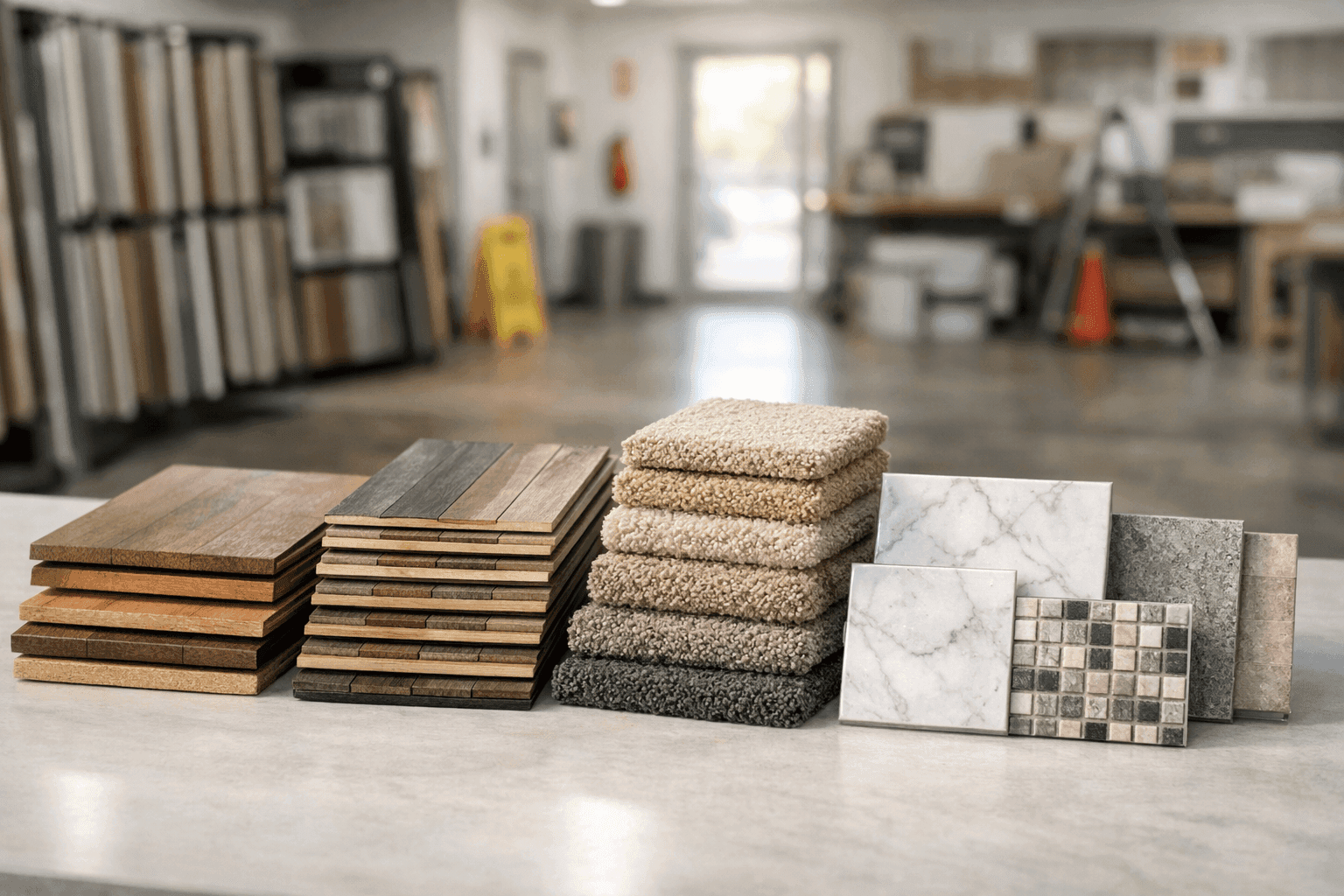
Stepping into a new space should feel like a fresh start. But the wrong flooring? That’s a pebble in your shoe—every step, a little annoyance. At JC Carpet & Flooring, we see it all and know just how much the right floor transforms a house into a haven.
Choosing new residential flooring is a big decision. It changes your home’s look, feel, and even its safety. This guide lays out the groundwork—so you can walk confidently, from first idea to final install.
Factors to Consider When Choosing Flooring
The best floor isn’t just about looks. It’s about lifestyle. Think of your home as a busy train station—kids racing, pets skidding, muddy boots after a hike. Each room has its own rhythm and needs.
- Traffic: Is the room a thoroughfare or a quiet corner?
- Moisture: Kitchens, bathrooms, and basements need water-tough options.
- Comfort: Do you love the feel of carpet underfoot, or the cool touch of tile?
- Allergies: Hard floors are easier to keep dust-free.
- Style and Color: Flooring sets the mood. Light tones open up small spaces; dark ones add drama.
- Budget: Don’t just look at sticker price. Consider installation, upkeep, and the floor’s lifespan.
Climate matters, too. In places with snowy winters or rainy springs, flooring needs to stand up to wet boots and paws. If you have pets or young kids, scratch- and stain-resistance is a must.
Hardwood Flooring: Classic Beauty, Lasting Value
There’s something timeless about hardwood. It’s the old oak tree of floors—solid, natural, and aging beautifully.
Pros:
- Long lifespan (can last generations with care)
- Can be sanded and refinished
- Boosts home value
- Warm, authentic look
Cons:
- Can scratch or dent (especially with pets)
- Sensitive to moisture
- Higher upfront cost
Best for: Living rooms, bedrooms, and anywhere you want warmth and elegance.
Local tip: In climates with big temperature swings, wood can expand and contract. Proper installation and acclimation are key.
Laminate Flooring: The Chameleon
Love the look of wood but want something tougher on your wallet? Laminate is the chameleon—mimics hardwood, stone, or tile, but with a budget-friendly price tag.
Pros:
- Scratch-resistant
- Wide style variety
- Easy to install and replace
Cons:
- Not as moisture-resistant as vinyl
- Can sound hollow underfoot
Best for: Busy families, pet owners, or areas where style matters but spills are rare.
Vinyl and Luxury Vinyl Plank (LVP): Versatile and Tough
Vinyl flooring—especially LVP—has come a long way. It’s the raincoat of the flooring world: waterproof, resilient, and ready for action.
Pros:
- Water-resistant (great for kitchens and bathrooms)
- Comfortable and quiet
- Huge range of styles
Cons:
- Can fade in direct sunlight
- Lower resale value than hardwood
Best for: Kitchens, bathrooms, basements, and homes with pets or kids.
Tile Flooring: Cool, Clean, and Nearly Indestructible
Tile is the suit of armor for your floors. Tough, water-resistant, and easy to clean.
Pros:
- Lasts decades
- Handles water and heat with ease
- Hypoallergenic
Cons:
- Hard and cold underfoot (unless paired with radiant heating)
- Grout needs maintenance
Best for: Bathrooms, kitchens, entryways, and sunrooms.
Carpet: Comfort and Warmth Underfoot
Carpet is the cozy blanket you never have to fold. Perfect for padding around barefoot, playing with kids, or curling up on a rainy day.
Pros:
- Soft, warm, and quiet
- Variety of colors and textures
- Helps with soundproofing
Cons:
- Stains and traps allergens
- Needs regular vacuuming and deep cleaning
Best for: Bedrooms, living rooms, family spaces—and homes needing an extra layer of warmth.
Eco-Friendly Flooring: Sustainable Choices for a Greener Home 🌱
If you’re looking to tread lightly, bamboo, cork, and certain luxury vinyls are the path. These options are like planting trees in your living room—renewable, stylish, and gentle on the earth.
Pros:
- Renewable resources
- Low VOC emissions (better indoor air quality)
- Unique look and feel
Cons:
- Some options (like cork) can dent
- May require more maintenance
Best for: Bedrooms, living rooms, and anywhere you want peace of mind along with style.
For more on safe materials, see guidance from the U.S. Environmental Protection Agency (EPA) about indoor air quality and floor finishes.
Pros and Cons of Each Flooring Type
Here’s a quick walk-through so you can compare at a glance:
- Hardwood: Ageless, refinishable—costs more, watch for dents.
- Laminate: Tough on scratches, lighter on the wallet, not a fan of water.
- Vinyl/LVP/LVT: Champions of moisture, easy to clean, less prestige.
- Tile: Lasts forever, waterproof, but chilly and hard.
- Carpet: Soft and sound-absorbing, but may stain and trap dust.
- Eco-Friendly: Sustainable, healthy, but sometimes softer or pricier.
Maintenance Tips by Material
Every floor needs some TLC. Here’s how to keep yours looking its best:
Hardwood
- Sweep regularly to prevent scratches.
- Use felt pads under furniture.
- Refinish every 7–10 years or as needed.
Laminate
- Wipe spills immediately.
- Sweep or vacuum (no wet mops).
- Use gentle cleaners only.
Vinyl & LVP
- Sweep or vacuum often.
- Damp mop with non-abrasive cleaners.
- Avoid dragging heavy furniture.
Tile
- Clean grout lines to prevent stains.
- Use mats in high-traffic spots.
- Check for cracked tiles and repair quickly.
Carpet
- Vacuum weekly; deep clean every 12–18 months.
- Use entry mats to trap dirt.
- Address stains ASAP.
Eco-Friendly (Bamboo, Cork)
- Protect from direct sunlight to reduce fading.
- Use soft-bristle brooms.
- Re-seal cork floors as needed.
For detailed care, our Flooring Maintenance page walks through what works best for each material.
Room-by-Room Recommendations
Think of every room as a chapter in your home’s story. Each needs flooring that fits the plot:
- Entryway/Hall: Durable tile or LVP, easy to mop off mud and snow.
- Kitchen: Waterproof LVP, tile, or vinyl—handles spills and splatters.
- Living Room: Hardwood for elegance, or carpet for family coziness.
- Bedrooms: Carpet for warmth and quiet, or eco-friendly bamboo/cork.
- Basements: Waterproof vinyl or tile—no soggy surprises.
- Bathrooms: Tile or waterproof LVT, non-slip for safety.
Flooring and Your Family: Pets, Kids, and Everyday Life
If your home feels like a racetrack, choose floors that can handle the pace. Pet claws? Go for LVP or tile. Messy kids? Laminate or stain-resistant carpet. Allergies? Hard flooring is easier to keep allergen-free.
Don’t forget: softer floors cushion falls, while hard ones are easier to sanitize.
Safety First: Quick Checklist
- Slips and falls: Use non-slip rugs, especially on hard surfaces.
- Stairs: Carpet or textured treads add grip.
- Transitions: Make sure thresholds are smooth—no trip hazards.
- Codes: Always follow local building codes for installation—especially for basements.
For more, consult the National Wood Flooring Association (NWFA) and American National Standards Institute (ANSI) for safety and installation standards.
Costs, Timelines, and What to Expect
Flooring is an investment. Some types cost more upfront but last for decades (hardwood, tile). Others are quick to install and easy on the budget (laminate, LVP).
- Hardwood: Higher cost, longer install, major value.
- Laminate/Vinyl: More affordable, quick turnaround.
- Tile: Labor-intensive but built to last.
- Carpet: Fast install, variable pricing.
Expect some disruption—moving furniture, noise, and dust. But with planning, most jobs wrap up in a few days.
DIY or Professional Installation?
Some floors are DIY-friendly (laminate, click-together LVP). But for hardwood, tile, or large spaces, professional installation pays off. You get better results, safer seams, and a finished look that lasts.
Our Flooring Consultation service helps you decide what fits your skills, timeline, and budget.
Common Mistakes to Avoid
- Skipping moisture testing (especially on concrete)
- Choosing style over durability for high-traffic zones
- Ignoring subfloor repairs
- Forgetting about transitions between rooms
- Underestimating the need for professional advice
Flooring Maintenance for Lasting Beauty
Just like a car, your floors need regular check-ups. Schedule annual inspections, address small issues early, and use the right cleaners for your material. If you’re in the area and need Residential Flooring, our flooring services team can help keep your floors in top shape.
Next Steps for a Stress-Free Selection
- Assess your needs. List the rooms, traffic patterns, pets, and kids.
- Set a budget. Include materials and installation.
- Browse samples. See how they look in your light.
- Consult a pro. Get expert insight on best options for your lifestyle.
- Plan installation. Schedule around your family’s routines.
Choosing flooring shouldn’t be overwhelming. With the right information and a clear plan, you’ll step into a space that fits your life perfectly.
Call JC Carpet & Flooring now — or reach us anytime at 855-557-1115 .