Epoxy Flooring: Benefits, Uses, and Maintenance Tips
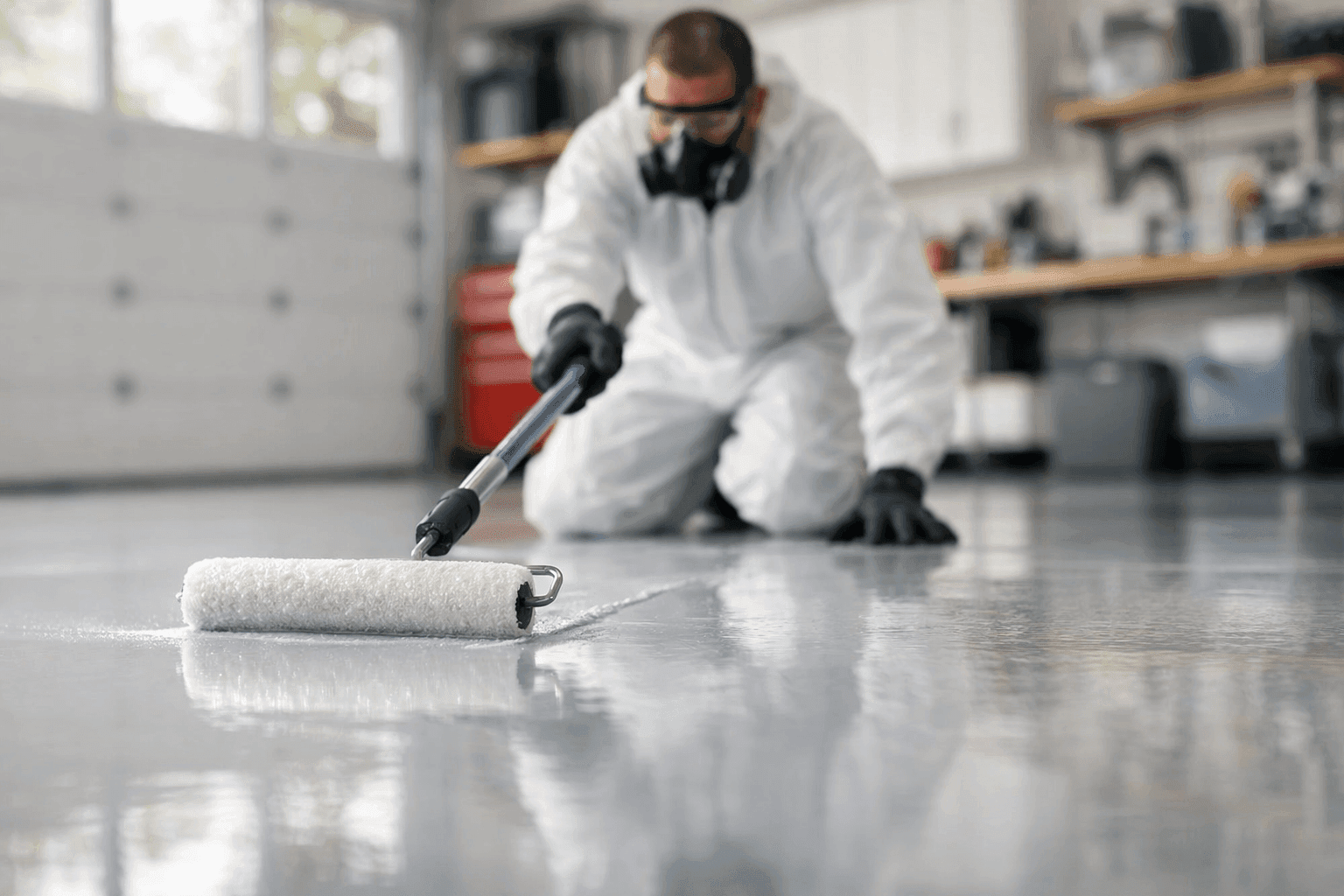
Ever feel like your garage or basement floor just can’t stand up to your busy life? Floors take a beating—spilled oil, muddy boots, dropped tools, and even the family dog racing through at full speed. It’s easy to wish for something tougher, cleaner, and safer.
At JC Carpet & Flooring, we know that picking the right flooring can be overwhelming. We help homeowners and business owners every day choose floors that last, look sharp, and hold up—no matter what life (or work) throws at them. If you’re considering an upgrade, epoxy flooring deserves a closer look.
What Is Epoxy Flooring? 🟦
Epoxy flooring is like armor for your floors. Imagine a tough, glossy shield poured right over concrete. It’s a combination of resin and hardener that, when mixed, chemically bonds to the surface. The result? A seamless, ultra-durable finish that resists stains, scratches, and moisture.
You’ll see epoxy floors in car showrooms, hospital corridors, school hallways, and bustling garages. But it’s not just for commercial spaces—it’s turning up in homes too, making basements and workshops easier to clean and maintain.
Best Uses for Epoxy Floors
Where does epoxy shine brightest? Think of places where spills, heavy loads, or lots of foot traffic are the norm.
- Garages: The classic choice. Epoxy turns dusty, oil-stained garages into bright, easy-to-clean spaces.
- Basements: Keeps moisture in check and adds a polished look to utility areas.
- Commercial Kitchens: Resists food stains and is simple to sanitize.
- Warehouses & Retail Stores: Handles forklifts, carts, and crowds without cracking under pressure.
- Healthcare & Labs: Seamless finish makes disinfecting a breeze.
For homes, epoxy flooring is a secret weapon in laundry rooms, mudrooms, and even outdoor patios. It’s a versatile solution that makes tough spaces feel new.
Key Benefits of Epoxy Flooring
Why do so many people choose epoxy? The perks are hard to ignore:
- Durability: Epoxy doesn’t flinch under pressure. It’s built to withstand dropped tools, rolling tires, and high heels alike.
- Moisture Resistance: Spilled water, oil, or chemicals bead up instead of soaking in. That means less staining and easier cleanup.
- Easy Cleaning: Dirt and dust have nowhere to hide. A quick sweep or mop keeps floors looking sharp.
- Safety: Many epoxy coatings offer anti-slip finishes, reducing the risk of slips and falls—especially helpful in busy workspaces.
- Custom Looks: Pick from colors, flakes, or even metallic effects to match your style.
- Longevity: With proper care, epoxy floors can last decades.
The Epoxy Installation Process: What to Expect
Curious what happens when you decide to upgrade? Here’s how the pros at JC Carpet & Flooring handle epoxy-flooring:
- Inspection: Every floor is different. We check for cracks, moisture issues, and old coatings.
- Preparation: Concrete gets cleaned, patched, and sometimes sanded. This step is key—think of it as prepping a canvas for painting.
- Application: The epoxy mix is expertly spread, often in multiple layers. Additives for color or texture go in now.
- Curing: The floor needs time to set. Usually 24–72 hours, depending on temperature and humidity.
The result? A tough, gleaming floor ready for action.
DIY Epoxy vs. Professional Installation
DIY epoxy kits fill shelves at home improvement stores. While tempting, there are a few things to know:
- Surface prep is everything. If the concrete isn’t clean and dry, epoxy won’t stick.
- Product quality varies. Professional-grade epoxies are thicker and more durable.
- Skill matters. Bubbles, uneven patches, or peeling edges can happen with inexperience.
For spaces like garages or commercial floors, hiring a flooring contractor ensures a longer-lasting, better-looking result. It’s like baking bread—sure, you can try it at home, but a pro knows all the tricks.
Quick Safety Checklist
Thinking of tackling epoxy on your own or just curious about the process? Keep these safety tips in mind:
- Ventilation: Epoxy fumes can be strong. Always work in a well-ventilated area.
- Protective gear: Gloves, safety glasses, and masks are essential.
- Curing time: Don’t rush to use the floor—it needs time to harden fully.
Professional installers follow OSHA guidelines and local building codes to ensure safety for everyone.
How to Keep Epoxy Floors Looking Like New
Epoxy floors are famously easy to maintain, but they’re not “set it and forget it.” Here’s how to keep them gleaming:
- Sweep regularly. Grit can scratch even tough surfaces over time.
- Mop with mild soap. No need for harsh chemicals; warm water and a gentle cleaner do the trick.
- Wipe spills quickly. Especially oils or chemicals—quick cleanup prevents staining.
- Use soft pads under heavy furniture. This helps prevent gouges.
- Check for chips or wear. Address small problems before they become big ones.
Common Mistakes to Avoid
Even the best floors can run into trouble if certain steps are missed. Watch out for these pitfalls:
- Skipping prep: Poor cleaning or not fixing cracks leads to peeling.
- Applying too thick: More isn’t always better—thick patches cure unevenly.
- Ignoring humidity: High moisture can cause bubbling or poor adhesion.
A little patience and attention go a long way. If you’re unsure, a quick chat with a flooring specialist can save costly headaches down the road.
Signs Your Epoxy Floor Needs Attention
Epoxy is tough, but not invincible. Here’s what to watch for:
- Peeling or lifting edges
- Discoloration or yellowing
- Visible cracks or chips
- Persistent dull spots
If you spot any of these, it may be time for a professional assessment or touch-up.
Epoxy in Garages: Transforming Everyday Spaces
Garages are more than car storage—they’re workshops, gyms, and sometimes the main entrance to your home. Epoxy turns drab, dusty concrete into a bright, clean, and inviting space. It even makes cleaning up after weekend projects a breeze.
For more on this, see our Garage Flooring service details.
Commercial Spaces: Why Epoxy Makes Sense
Business owners choose epoxy for a reason. Its seamless finish meets many safety codes, it stands up to heavy use, and it’s easy to keep sanitary. Whether it’s a warehouse, retail shop, or medical office, epoxy flooring supports a professional image and low maintenance costs.
For more, check out our Commercial Flooring expertise.
Timeline and Disruption: What to Expect with Installation
Worried about downtime? Most residential epoxy floors can be installed in 2–3 days, including curing time. Commercial projects vary depending on size and complexity, but we always work to minimize disruption to your routine.
Epoxy vs. Other Flooring Options
Is epoxy always the answer? Not necessarily. If warmth or sound absorption is your top priority, carpet or cork may be better. But when toughness, moisture resistance, and easy cleaning matter most, epoxy is hard to beat—especially in basements, garages, or heavy-use spaces.
Moisture Barriers: When Are They Needed?
Basements and some ground-level spaces can have moisture issues. Before applying epoxy, we often recommend a moisture barrier. This extra layer protects your investment and meets guidance from the International Building Code (IBC) for below-grade floors.
Floor Inspections: The Smart First Step
Before any install, a thorough floor inspection is crucial. This helps identify hidden moisture, cracks, or structural issues that could impact your epoxy floor’s performance. Regular inspections afterward can catch problems early—saving money and hassle.
Frequently Asked Questions
How long do epoxy floors last?
With proper care, 10–20 years or longer.
Are epoxy floors slippery?
They can be, but anti-slip additives help keep things safe.
Can you install epoxy over old paint or sealers?
No. The surface must be clean and bare for the epoxy to bond.
Seasonal Considerations
Epoxy cures best in moderate temperatures. Extreme cold or humidity can affect the finish, so timing your project right is key—especially for garages or outdoor areas.
Ready to Upgrade Your Floors?
Epoxy flooring offers durability, style, and lasting value for both homes and businesses. If you want floors that work as hard as you do, JC Carpet & Flooring is here to help—from consultation to installation and beyond.
Call JC Carpet & Flooring now — or reach us anytime at 855-557-1115 .