Area Rugs: Placement, Protection, and Style Tips
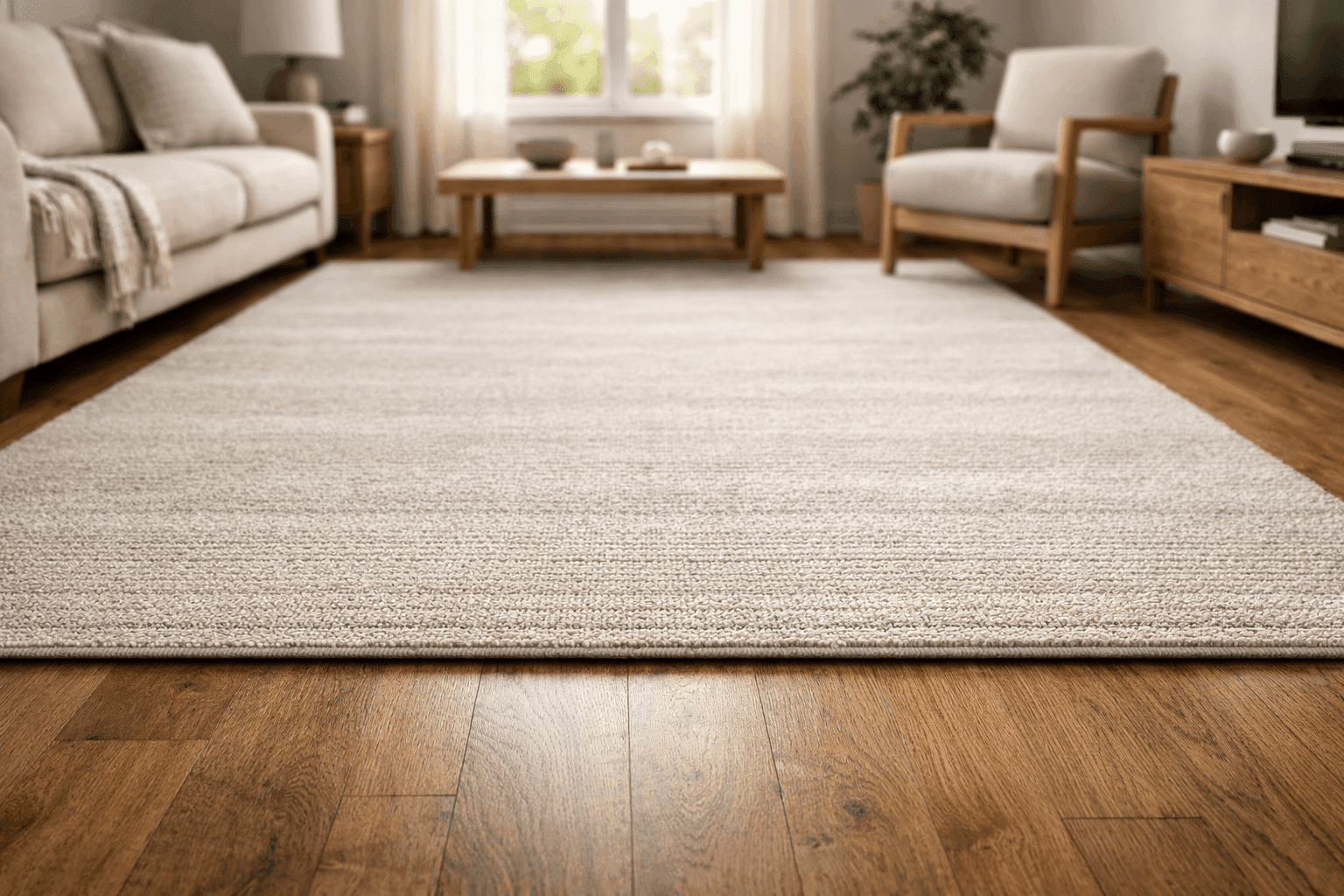
Is your living room missing that extra spark of comfort? Or maybe your office feels a bit too echoey? Area rugs do more than just tie a room together—they protect your floors, absorb noise, and add a layer of style underfoot.
At JC Carpet & Flooring, we know that choosing and caring for area rugs can make a world of difference. Whether you’re sprucing up your home or updating a workspace, the right rug choices mean fewer scratches, safer steps, and a more inviting space.
Rug Size and Placement: The Foundation of Good Design
Area rugs are like puzzle pieces—if they’re the wrong size, nothing fits quite right. Too small, and your room feels off-balance. Too big, and it can swallow your space.
- Living rooms: For seating areas, aim for a rug large enough so at least the front legs of each piece of furniture rest on it.
- Bedrooms: Place a rug so it peeks out from under the bed, giving you a soft landing each morning.
- Dining rooms: The rug should extend at least 24 inches beyond the table’s edge so chairs stay on the rug even when pulled out.
- Hallways/entryways: Runners should fit the width without crowding walls.
Think about traffic flow. If people need to step up onto the rug with every pass, it’s time to adjust. In commercial spaces, bigger rugs help guide foot traffic and reduce echo.
Safety and Floor Protection: Don’t Slip Up 🛑
Area rugs can be safety heroes—or hazards. The right setup keeps your family, employees, or customers safe.
- Non-slip pads: Essential for every rug. These grip the floor, minimizing slips and trips, especially in high-traffic zones.
- Edge tape: If your rug corners curl, use carpet tape to keep them flat.
- Material matters: Felt or natural rubber pads protect hardwood, LVP, and tile better than PVC or cheap foam.
It’s also about protecting what’s underneath. Rugs shield floors from scratches, sun fading, and stains. But if you skip a pad, grit can grind between rug and floor—think sandpaper underfoot. According to the National Safety Council, slips and falls often start with unsecured floor coverings.
Maintenance: Keep Your Rugs and Floors Fresh
It’s easy to forget your rug needs regular TLC. But routine care keeps both rug and floor healthy—and helps allergy-prone families breathe easier.
- Vacuum weekly: Both sides if possible, especially in busy households.
- Rotate rugs: Every 3–6 months, to even out wear and sun exposure.
- Spot clean spills: Blot, don’t rub. Use manufacturer-recommended cleaners. For wool or natural fibers, stick to mild soap and water.
- Professional cleaning: Schedule a deep clean every 12–18 months, or more often for allergy-sensitive homes or high-traffic areas.
Don’t neglect what’s underneath. Sweep or mop the floor under area rugs at least every season to prevent grit build-up and hidden stains.
Protecting Floors from Scratches and Stains
Even the softest rug can do damage if sand or debris gets trapped underneath. Here’s how to keep your floors flawless:
- Choose the right pad: Felt for hardwood, natural rubber for tile or vinyl.
- Avoid sticky pads: Some cheap pads can discolor or stick to floors.
- Watch for moisture: Never lay a rug over a damp floor. Excess moisture can warp wood or lead to mold. If water spills, lift and dry both rug and floor immediately.
Allergies and Air Quality: Rugs as Allies
Area rugs can trap allergens, but that’s not all bad—it keeps them from floating in the air. Regular cleaning makes rugs an asset, not a problem.
- HEPA vacuums: Use these to capture dust mites and pet dander.
- Low-pile rugs: Easier to keep clean, especially for allergy-prone households.
- Washable rugs: A great fit for entryways and kids’ rooms.
The American Lung Association recommends frequent cleaning for all soft flooring. If you have severe allergies, consider professional cleaning and hypoallergenic rug materials.
Making Your Rug Last: Prevention and Maintenance
An ounce of prevention keeps your rug looking sharp for years.
- No shoes: Indoor-only shoes or slippers reduce dirt and grit.
- Furniture pads: Place under heavy pieces to prevent indentations.
- Sunlight: Direct sun can fade rug fibers. Use curtains or rotate rugs to keep colors vibrant.
Schedule routine Flooring Maintenance for a deeper clean and inspection—especially for commercial spaces or high-traffic homes.
Choosing the Right Material for Your Space
Area rugs aren’t one-size-fits-all. Consider your room’s needs before choosing:
- Wool: Durable, naturally stain-resistant, and warm.
- Synthetic fibers (nylon, polyester): Great for busy spaces and easy cleaning.
- Natural fibers (jute, sisal): Earthy look, best for low-moisture rooms.
- Bamboo, cork, or recycled materials: Eco-friendly and perfect for homes focusing on sustainability.
Ask about our Residential Flooring solutions for ideas that match your lifestyle and values.
Quick Safety Checklist: Before You Lay Down That Rug
- Is your rug pad the right size and material for your floor?
- Are corners and edges secure—no curling?
- Is the rug away from open doors and not blocking pathways?
- Did you clean both the rug and floor before placement?
- For radiant heating, is your rug compatible with heated floors?
If you answer “no” to any of these, take a moment to fix it. Safety first.
DIY vs. Pro Installation: When to Call JC Carpet & Flooring
Simple setups are a breeze. But larger rugs, tricky staircases, or rooms with angles may need a flooring pro’s touch.
We deliver precision cutting, custom fitting, and expert advice for unique spaces, commercial settings, or integrating with special flooring like epoxy or radiant heat.
Our Area Rug Installation service ensures everything’s level, safe, and built to last.
What to Expect When the Pros Arrive
- Measure twice, cut once: We check your dimensions and help select the right pad.
- Floor inspection: We look for moisture, cracks, or uneven spots that could cause problems later.
- Careful placement: Furniture moved with care, pads and rug positioned for optimal safety and style.
- Final walk-through: Make sure you’re happy with the look and feel.
Seasonal Considerations: Rugs for Every Time of Year
- Winter: Thicker, plush rugs add insulation and warmth.
- Summer: Lightweight, breathable rugs keep things cool.
- Spring/Fall: Rotate rugs, deep clean, and check pads for wear.
Humidity changes can affect both rugs and underlying flooring, so always inspect for signs of moisture.
Common Mistakes (And Easy Fixes)
- Using a rug that’s too small for the space.
- Skipping a rug pad—never a good idea.
- Placing rugs directly on damp floors.
- Ignoring curled edges and trip hazards.
- Letting spills sit—clean them up right away.
Avoiding these pitfalls saves money and hassle down the line.
Signs of Trouble: When It’s Time to Replace or Repair
- Fraying edges or holes
- Persistent odors after cleaning
- Stains that won’t budge
- Slippery rugs even with pads
Sometimes, a quick repair or pad replacement can extend your rug’s life. If not, it’s worth investing in something new.
Costs and Time Factors
- Rug pads: Affordable and essential—usually $1–3 per square foot.
- Professional installation: Pricing varies by size and complexity, but the investment protects both rug and floor.
- Cleaning: Routine vacuuming is free; deep cleaning runs $1–$3 per square foot.
Remember: a quality rug and pad add years to your flooring’s lifespan.
Floor Leveling and Underlayment: Setting Rugs Up for Success
Uneven floors? Rugs can only do so much. If your surface is bumpy or slopes, consider subfloor repair or leveling before laying down a new rug. This prevents premature wear and keeps things safe.
Our team can inspect and recommend solutions tailored to your home or business.
Soundproofing and Comfort: Rugs as the Quiet Heroes 🔇
In offices, apartments, or busy homes, area rugs help absorb sound and soften footsteps. Layering a rug over carpet or hard floors can make a world of difference—think of it as a cozy hush for your space.
For more tips and local support, see our flooring specialists in Newnan for advice on flooring that keeps your room quiet and comfortable.
Frequently Asked Questions
Q: Can I put a rug on top of carpet?
A: Absolutely! Just use a non-slip pad designed for carpet-on-carpet to keep things in place.
Q: How do I remove dents caused by furniture?
A: Place an ice cube on the dent. Let it melt, then fluff fibers with a spoon or coin.
Q: Are area rugs safe for homes with radiant floor heating?
A: Yes, but choose rugs and pads labeled safe for radiant heat to avoid overheating or damage.
Q: How often should rug pads be replaced?
A: Every 3–5 years, or sooner if they lose grip or break down.
Ready to refresh your space or protect your floors with smart, stylish area rugs? Call JC Carpet & Flooring now — or reach us anytime at 855-557-1115 .