Bamboo Flooring: A Guide to Benefits, Styles, and Longevity
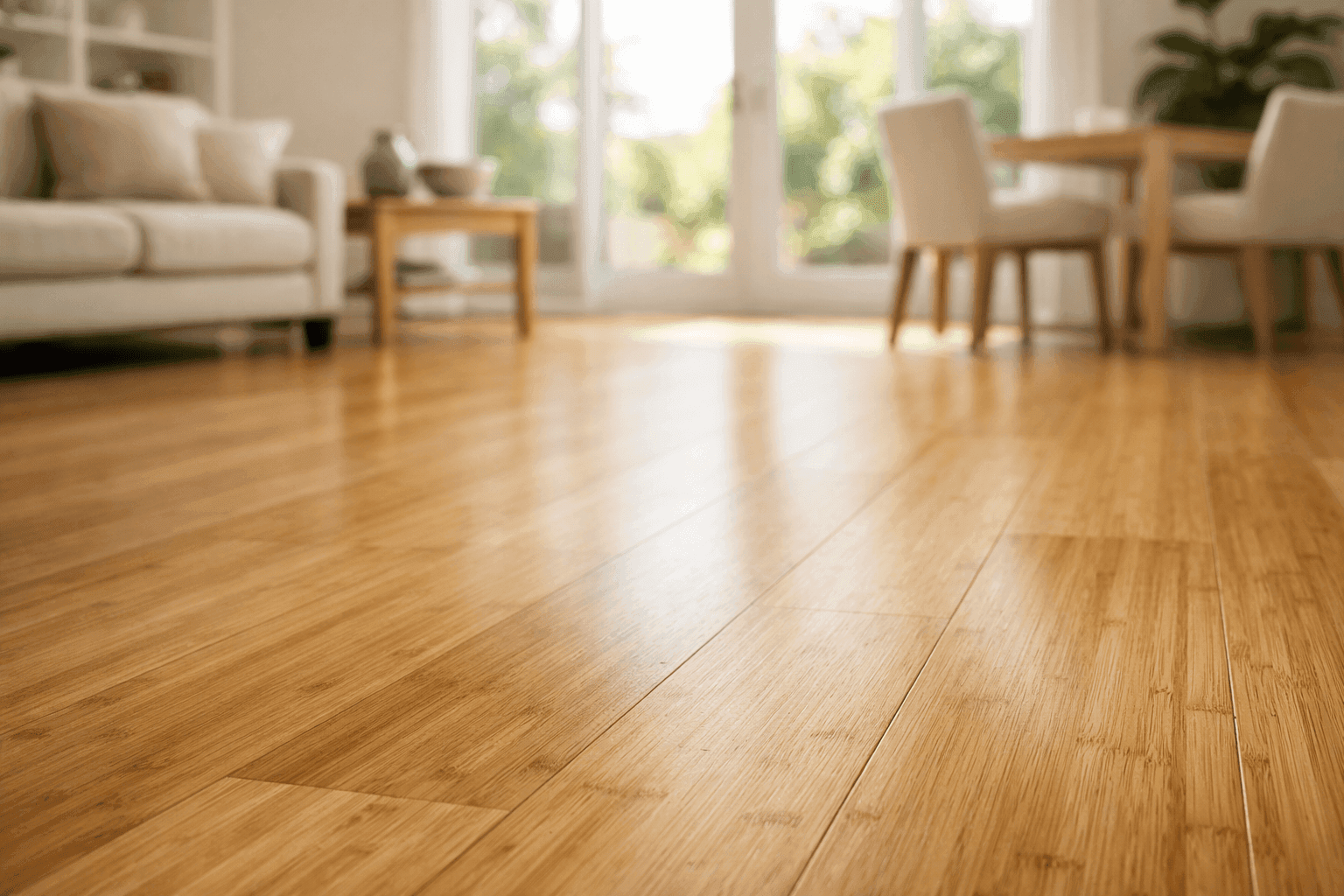
Stepping onto a new floor should feel like a fresh start. For many homeowners and businesses, bamboo flooring delivers just that—a clean slate, both literally and for the planet. If you’re searching for a surface with style, strength, and sustainability, you’re in the right place.
Bamboo isn’t just for pandas or backyard gardens. It’s redefining what “modern flooring” means. Let’s break down the facts, the finishes, and the everyday realities of living with this remarkable material.
Why Choose Bamboo Flooring? 🌱
Ever walk into a room and instantly feel its warmth? That’s what bamboo flooring can do. But it isn’t just about good looks. Bamboo brings a basket of benefits to any space—residential or commercial.
- Sustainable Choice: Bamboo grows up to 20 times faster than traditional hardwoods. According to the U.S. Green Building Council, bamboo qualifies as a rapidly renewable resource. This means less impact on forests and a smaller carbon footprint.
- Resilience Underfoot: Strand-woven bamboo is among the toughest natural flooring options, often ranking higher on the Janka hardness scale than oak or maple.
- Air Quality: Natural bamboo contains fewer VOCs (volatile organic compounds) than many synthetic floors. That means cleaner air for your family or employees.
- Moisture Resistance: Properly sealed bamboo stands up to humidity better than some hardwoods, making it suitable for kitchens, basements, and even some commercial spaces.
- Affordability: Get the look of high-end hardwood without the sticker shock. Bamboo fits a range of budgets, especially compared to exotic woods.
Popular Styles: Find Your Perfect Look
Bamboo flooring isn’t a one-size-fits-all deal. It’s more like a wardrobe—versatile, stylish, and ready for every occasion.
- Horizontal Bamboo: This style highlights the natural growth pattern of bamboo, showing off its signature “knuckles.” It’s organic and inviting, perfect for cozy living rooms.
- Vertical Bamboo: Slim strips glued vertically create a subtle, modern grain. Think minimalist offices or sleek kitchens.
- Strand-Woven Bamboo: Fibers are compressed for extra strength and a unique, marbled texture. Ideal for high-traffic areas—family rooms, commercial lobbies, or retail floors.
- Engineered Bamboo: Layers of bamboo on top of a stable core. Engineered bamboo resists warping and is a smart pick for below-grade spaces like basements.
- Color Options: Unfinished, carbonized (heat-treated for a richer amber tone), or stained in a rainbow of modern hues. Whether you prefer light and airy or dark and dramatic, there’s a bamboo floor for you.
Maintenance and Longevity: Keeping Your Floor Looking New
Bamboo floors don’t demand constant attention, but a little care goes a long way.
- Sweeping: Dust and grit act like sandpaper. Sweep or vacuum regularly to avoid micro-scratches.
- Damp Mopping: Use a slightly damp (never soaking) mop. Too much water can seep into seams and cause swelling.
- Furniture Pads: Protect against dents and scratches by adding pads under chair and table legs.
- Refinishing: Many bamboo floors can be sanded and refinished if they get worn down. This extends their lifespan—sometimes up to 25 years or more.
- Humidity Controls: Use a humidifier in winter and a dehumidifier in summer. Bamboo, like all wood, expands and contracts with moisture.
The National Wood Flooring Association recommends maintaining indoor humidity between 35% and 55% for the longest floor life.
Bamboo vs Other Flooring: How Does It Stack Up?
Bamboo flooring often stands toe-to-toe with classic hardwoods. But there are key differences.
- Hardness: Strand-woven bamboo can outperform red oak or maple on the Janka scale. Softer bamboo types are closer to pine.
- Sustainability: Bamboo regrows from its root system. Trees take decades to replace; bamboo is ready in five to seven years.
- Look: Bamboo offers a unique grain pattern—neither wood nor tile, but something distinctly its own.
- Cost: Generally less expensive than solid hardwoods and some engineered flooring.
- Environmental Impact: Many bamboo floors meet rigorous certifications like FloorScore or GREENGUARD, which test for low emissions and responsible harvesting.
- Versatility: Bamboo fits anywhere—a bustling office, a serene bedroom, or even a yoga studio.
Curious how bamboo compares to other eco-friendly flooring? Our Eco-Friendly Flooring Options page covers even more choices.
Is Bamboo Flooring Right for My Home or Office?
Not every floor is a perfect fit everywhere. Here’s when bamboo makes sense:
- You want a renewable material that reduces environmental impact.
- You need a floor tough enough for kids, pets, or heavy foot traffic.
- You’re after something stylish but not overused.
- Allergy sufferers? Bamboo’s smooth surface makes it less likely to harbor dust mites and allergens.
- Remodeling a basement or kitchen? Engineered bamboo resists moisture better than solid hardwood.
Quick Safety Checklist Before Installation
- Check Subfloors: Bamboo needs a flat, stable base. Uneven subfloors can lead to squeaks or gaps. Subfloor repair may be needed.
- Acclimate Flooring: Let bamboo planks sit in the installation room for 48–72 hours to adjust to temperature and humidity.
- Check for VOCs: Opt for low-VOC adhesives and finishes for healthier indoor air.
- Follow Local Codes: Always review local building codes and safety guidelines. The National Wood Flooring Association is a solid resource.
Common Mistakes to Avoid
- Skipping Acclimation: Bamboo expands and contracts. Rushing installation leads to buckling or warping.
- Using Too Much Water: Mop with care. Excess water is bamboo’s enemy.
- Ignoring Humidity: Indoor air swings can cause cracks or gaps.
- Improper Underlayment: For moisture-prone areas, a quality moisture barrier is essential.
DIY or Call a Pro?
Bamboo flooring can be installed by confident DIYers, especially click-lock and floating options. However, glue-down or nail-down installations—especially in commercial settings—call for specialized tools and expertise.
- DIY: Good for small rooms or floating floors.
- Professional Help: Recommended for larger jobs, glue/nail installations, or when subfloor repairs are needed. JC Carpet & Flooring’s team ensures a seamless fit and finish.
What to Expect When the Pros Arrive
- We’ll inspect your subfloor for stability and moisture.
- Planks are acclimated and measured to minimize waste.
- Our team uses eco-friendly adhesives and precise tools for a snug, lasting installation.
- We leave your home or business spotless—ready for shoes or bare feet.
Costs and Time Considerations
Bamboo flooring costs vary based on:
- Type (strand-woven, engineered, or solid)
- Finish and color
- Installation complexity (floating vs. glue-down)
- Room size and prep needs
On average, installation can take a day or two for a typical room. Commercial projects or large homes may require additional time for acclimation and finishing.
Bamboo Flooring in Commercial Spaces
Businesses love bamboo for its durability and clean appearance. Fast-growing, hard-wearing, and easy to maintain, it’s a smart investment for offices, studios, and retail settings.
- Holds up to high traffic
- Resists stains and scratches
- Easy to refinish, reducing long-term maintenance costs
Seasonal Considerations: Bamboo and Weather
Bamboo, like all natural materials, responds to the seasons.
- Winter: Dry air may cause minor shrinkage—use a humidifier.
- Summer: Humidity can cause slight expansion—air conditioning or a dehumidifier helps.
- Flooding/Water Damage: Bamboo is more moisture-resistant than some woods, but not waterproof. Clean up spills quickly.
Signs Your Bamboo Floor Needs Attention
- Cupping or Crowning: Boards curve up or down at the edges—usually a moisture issue.
- Gaps: Seasonal changes or improper acclimation.
- Surface Scratches: Most can be buffed out or refinished.
- Unusual Noises: Could signal a loose board or subfloor problem.
FAQs: Bamboo Flooring
Is bamboo as durable as hardwood?
Strand-woven bamboo is actually tougher than many hardwoods. It’s built for busy spaces.
Does it scratch or dent easily?
Like all flooring, heavy objects or sharp pet claws can leave marks. Use rugs and pads for extra protection.
Can bamboo be used in bathrooms?
Not recommended for full bathrooms. Occasional splashes are fine, but standing water or steam can damage any wood-based flooring.
How do I clean bamboo floors?
Sweep or vacuum often. Mop with a damp cloth and use wood-safe cleaners. Avoid harsh chemicals.
Bamboo and the Environment: What the Experts Say
According to the Forest Stewardship Council and the U.S. Green Building Council, bamboo’s rapid regrowth and minimal need for pesticides make it one of the most eco-friendly flooring choices. Many manufacturers now follow strict guidelines for harvesting and processing, reducing environmental impact even further.
If you’re committed to green living, bamboo is a standout. See more on our Residential Flooring and Eco-Friendly Flooring Options pages.
When Not to Use Bamboo
- High-moisture areas like saunas or full bathrooms.
- Outdoor decks (unless specifically rated for exterior use).
- Spaces with dramatic temperature swings.
For all other uses, bamboo brings durability, beauty, and peace of mind.
Ready to Walk on Something Better?
Bamboo flooring is more than a trend. It’s a practical, sustainable, and stylish choice for homes and businesses alike. Whether you’re building new or refreshing an old space, JC Carpet & Flooring helps you every step of the way.
If you're searching for flooring specialists in your area or want to explore more flooring services, our team is happy to answer your questions and guide you to the right fit.
Call JC Carpet & Flooring now — or reach us anytime at 855-557-1115 .