Bamboo Flooring: Is It Worth the Investment?
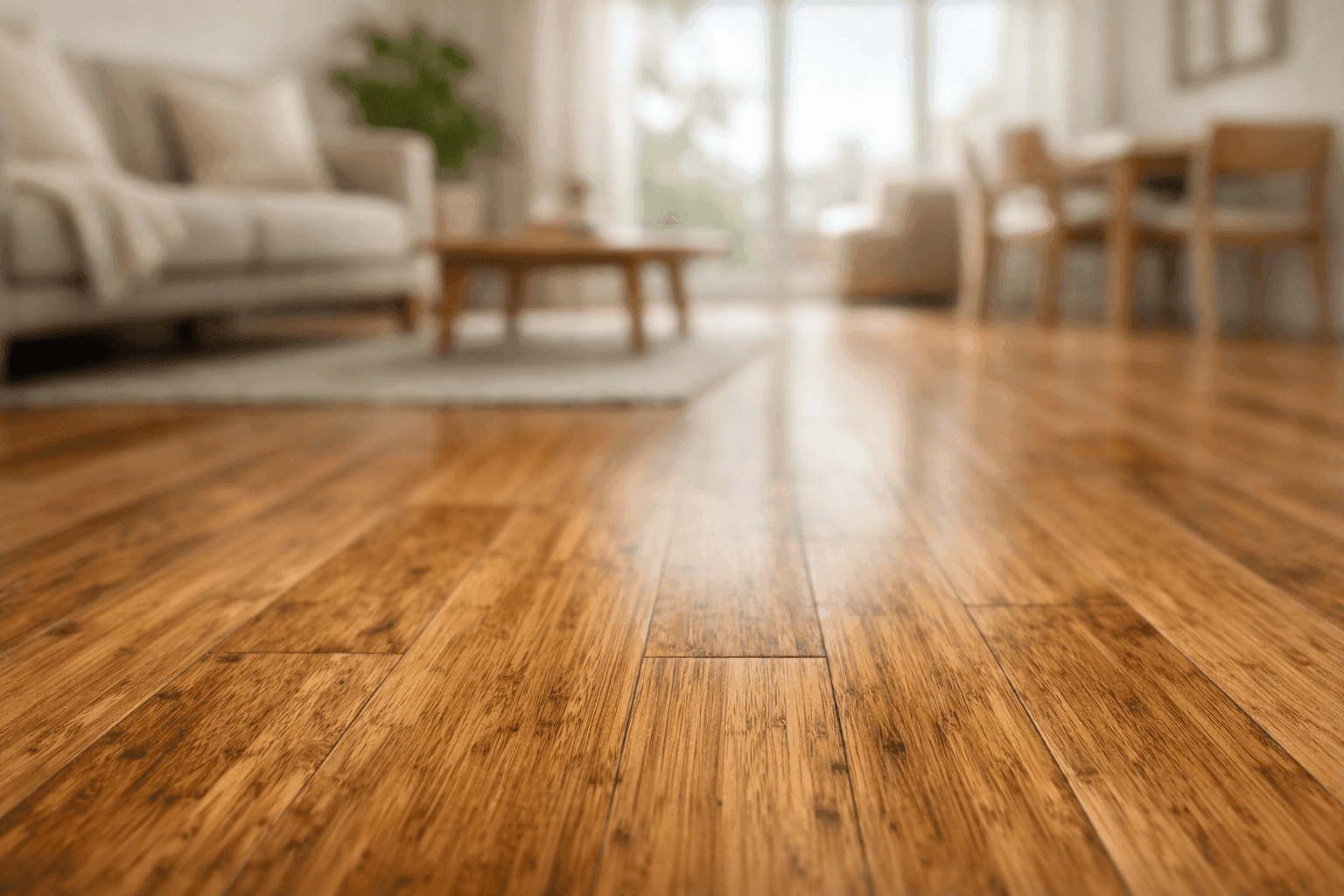
When you imagine a fresh, modern floor under your feet, bamboo might not be the first material that pops into your mind. Yet, this fast-growing grass has started making waves—at home and in business spaces alike—as a durable, stylish, and eco-friendly alternative to traditional hardwood. But is bamboo flooring really worth the investment? Let’s take a closer look, so you can make a decision you’ll feel good about for years to come.
Whether you’re building new, renovating, or just dreaming, you want flooring that balances beauty, comfort, sustainability, and value. JC Carpet & Flooring has helped countless homeowners and property managers weigh their options. Here’s what you need to know.
How Bamboo Flooring Is Made
Bamboo isn’t a tree; it’s a grass. But don’t let that fool you. The stalks grow tall and thick—sometimes up to three feet in a single day. To make flooring, mature bamboo is harvested, sliced into thin strips, and boiled to remove starch and sugars. Then, those strips are pressed together under high pressure with adhesives, forming solid planks or engineered boards.
There are three main types:
- Horizontal bamboo: Shows the classic “knuckle” grain pattern.
- Vertical bamboo: Features a finer, straight grain.
- Strand-woven bamboo: Bamboo fibers are shredded, then compressed—making it twice as hard as oak.
This production process gives bamboo its unique blend of strength and style. The result? A floor that’s as sturdy as it is striking.
The Upsides: Why Bamboo Flooring Appeals to Many 🟢
Bamboo has some clear perks—especially if you care about the planet or want something a little different from the usual hardwoods.
- Eco-Friendly: Bamboo is one of the fastest renewable resources. Unlike trees, bamboo regenerates without replanting and can be harvested every 5–7 years.
- Durability: Strand-woven bamboo is tough. Some varieties rate even harder than maple or red oak on the Janka hardness scale, making it a strong option for high-traffic areas.
- Distinctive Style: Bamboo’s subtle grain and range of colors—from pale blondes to deep coffee browns—fit everything from modern lofts to rustic homes.
- Allergy-Friendly: Bamboo doesn’t trap dust or pollen as carpet does. For those with allergies, it’s a breath of fresh air.
- Affordability: Compared to many hardwoods, bamboo is often more budget-friendly per square foot.
- Sustainability Certifications: Look for floors certified by the Forest Stewardship Council (FSC) or GREENGUARD for low chemical emissions.
Drawbacks and Limitations: What to Watch Out For 🚩
No flooring is perfect for every scenario. Bamboo comes with a few quirks to consider.
- Moisture Sensitivity: Bamboo can swell, warp, or cup when exposed to excessive moisture. It’s not ideal for chronically damp areas—think bathrooms, unsealed basements, or outdoor decks.
- Susceptibility to Scratches: Like hardwood, bamboo can scratch, especially from pet nails or moving furniture. Strand-woven types are more resistant, but no floor is invincible.
- Color Fading: Prolonged sunlight can lighten bamboo’s natural color. Window coverings or UV-resistant finishes help, but some change over time is likely.
- Chemical Adhesives: Some lower-cost bamboo floors use adhesives with higher formaldehyde levels. Always select products that meet U.S. safety standards (refer to EPA TSCA Title VI compliance).
When Is Bamboo Flooring the Right Choice?
Bamboo isn’t for every room or every lifestyle. But in many cases, it’s a stellar fit.
Best Use Cases:
- Living Rooms & Bedrooms: Where you want comfort, style, and easy cleaning.
- Offices & Studios: Strand-woven bamboo handles rolling chairs and foot traffic well.
- Eco-Friendly Remodels: When sustainability and low VOCs matter.
- Allergy-Sensitive Spaces: Less dust and easier cleaning help everyone breathe easier.
- Residential Flooring near you: If you live in a moderate climate with good indoor humidity control.
Think twice for:
- Full Bathrooms: Too much moisture.
- Below-Grade Basements: Unless fully sealed and dry.
- Outdoor Decks: Even treated bamboo struggles with outdoor weather.
How to Care for Bamboo Floors
Treat bamboo like you would a cherished wooden table—gentle, regular attention pays off.
Maintenance Tips:
- Sweep or vacuum regularly with a soft-bristle head.
- Wipe up spills right away—don’t let water linger.
- Use mats at entryways and felt pads under furniture.
- Clean with a damp (not soaking) mop and a bamboo-friendly cleaner.
- Avoid harsh chemicals or waxes not designed for bamboo.
Preventing Trouble:
- Maintain indoor humidity between 35–55%. Consider a humidifier or dehumidifier if your climate swings wildly.
- Protect from direct, intense sunlight when possible.
- Refinish if needed: Some bamboo floors can be lightly sanded and refinished, but check with your installer first.
Allergy and Indoor Air Quality Benefits
Bamboo’s smooth surface doesn’t give dust mites or mold much room to hide. This makes it a healthy option for those with asthma or sensitivities. For even better indoor air, select bamboo flooring that’s GREENGUARD Gold certified, which means it meets strict standards for low chemical emissions.
Cost, Value, and Installation Insights
The price of bamboo flooring varies, but it often falls below that of premium hardwoods. Installation costs depend on plank type and subfloor condition. Floating floors (click-lock) go in quickly, while glue-down installations require more labor. Always use an experienced flooring contractor familiar with bamboo’s needs.
Thinking about DIY? It’s doable for handy homeowners, but professional installation ensures tight seams and proper acclimation—key to long-term performance.
Moisture, Safety, and Building Code Considerations
Bamboo is safest and longest-lasting when installed over a dry, level subfloor with a moisture barrier. Building code requirements (like those from the International Residential Code) may apply if you’re finishing a basement or over concrete. Always check local codes and follow manufacturer guidelines.
Common Mistakes to Avoid
- Skipping acclimation: Bamboo needs to adjust to your home's humidity for a few days before installation.
- Using the wrong cleaners: Harsh chemicals can strip the finish.
- Ignoring moisture issues: Leaks, floods, or dampness can ruin bamboo floors.
- Direct sunlight: No window coverings? Expect fading.
What Happens When Problems Arise?
If you notice cupping, warping, or buckling, act fast. Address leaks or humidity swings immediately. Small scratches can often be buffed out or touched up with a color-matched marker. For deeper damage, professional refinishing or plank replacement may be required.
Bamboo Flooring and the Environment
When sourced responsibly, bamboo stands tall as a green flooring choice. It regenerates quickly, requires less pesticide than traditional hardwoods, and locks in carbon. But not all bamboo is created equal—choose products certified for sustainability and low emissions.
Seasonal Considerations
Bamboo, like all wood-based floors, expands and contracts with the seasons. In humid summers, planks may swell slightly; in dry winters, they can shrink. Proper acclimation and maintaining steady indoor humidity will keep your floor looking its best.
How Long Will Bamboo Flooring Last?
With proper care, bamboo floors can last up to 20–25 years—sometimes longer. Strand-woven bamboo, in particular, stands up to years of foot traffic. However, longevity depends on installation quality, maintenance, and environmental control.
Maintenance Schedule and Tips for Busy Households
- Weekly: Sweep or vacuum.
- Monthly: Damp mop with approved cleaner.
- Annually: Inspect for wear, check humidity, and touch up scratches.
- As needed: Refinish or replace damaged planks.
Bamboo Flooring in Commercial Spaces
Bamboo isn’t just for homes. Its durability and modern look make it a smart choice for offices, studios, and light commercial spaces. For high-traffic areas, choose strand-woven bamboo with a thick wear layer.
Is Bamboo Flooring Right for You?
Bamboo flooring brings a blend of style, strength, and environmental responsibility. Its benefits—renewability, durability, and allergy-friendliness—make it a compelling option for many. But consider your space, climate, and maintenance habits before making the leap.
For more details on eco-friendly options, see our Eco-Friendly Flooring Options or learn about our full Residential Flooring services.
If you’re weighing the pros and cons or want to speak with seasoned flooring specialists, explore our flooring services in our flooring company page.
Ready to talk bamboo? Call JC Carpet & Flooring now — or reach us anytime at 855-557-1115 .