Basement Flooring Options: Waterproof, Mold-Resistant, and Stylish
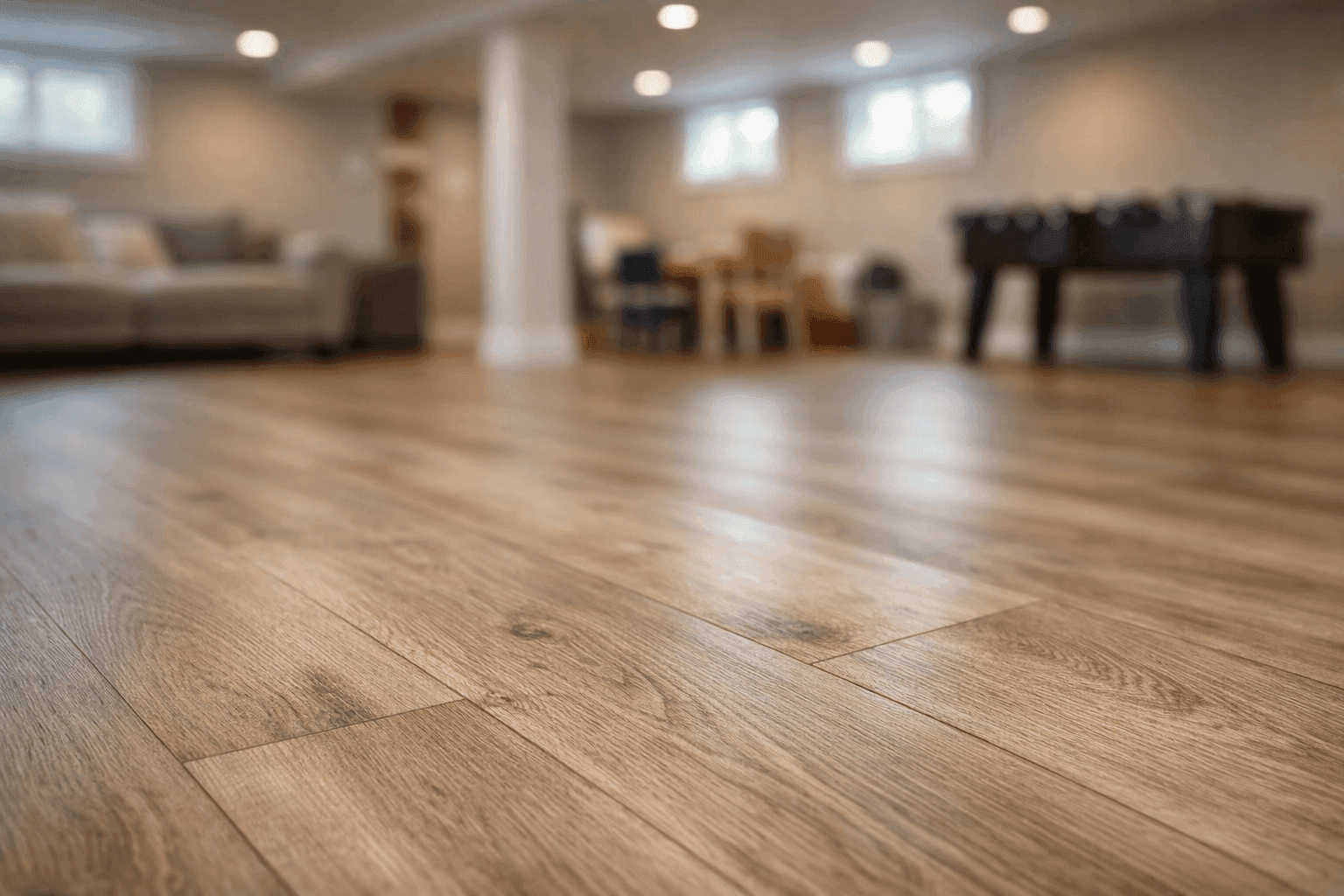
Is your basement more of a blank canvas than a living space? Maybe you dream of a cozy new family room, a guest suite, or a home gym—but that cold, damp concrete keeps you from diving in. At JC Carpet & Flooring, we know the unique challenges that basements bring. The right flooring can turn a musty afterthought into your favorite part of the house.
Don’t settle for just “good enough.” Basements deserve floors that fight moisture, resist mold, and look great—all without draining your savings. Let’s break down your best options, from practical to picture-perfect.
Challenges of Basement Flooring 🏚️
Basement floors have it rough. They’re the front line against moisture, humidity, and sometimes even minor flooding. Unlike upper levels, basements are close to the ground, and that means water is always a lurking risk.
- Moisture: Concrete slabs can “sweat,” and even a little seepage can mean trouble for some flooring types.
- Mold and Mildew: Organic materials like carpet or traditional hardwood absorb water and become breeding grounds for mold.
- Temperature Swings: Basements can be chilly in winter, damp in summer.
- Uneven Surfaces: Older homes often have bumpy or sloped slabs that need leveling before new floors go down.
Ignoring these problems is like building a sandcastle at low tide. Moisture always wins—unless you pick the right defenses.
Waterproof and Mold-Resistant Options
When it comes to basements, not all flooring is created equal. Here’s what stands strong against the elements:
Luxury Vinyl Plank (LVP)
LVP is like a superhero for basements. It looks like wood or stone, but water just beads up and rolls away. These planks click together for a tight, floating floor that’s warm underfoot and tough as nails. It’s forgiving on uneven slabs and won’t swell or warp. Plus, it’s available in endless styles—from driftwood grays to rustic barnwood browns. See more about our Vinyl Flooring services.
Porcelain or Ceramic Tile
Tile is the classic choice for damp spaces. Properly installed with waterproof grout, it shrugs off moisture and is easy to clean. Tiles come in every color, size, and pattern you can imagine. The only downside? They can be cold—so consider radiant floor heating beneath for a cozy upgrade.
Sealed Concrete
Sometimes simple is best. Modern concrete floors can be stained, polished, or coated for a sleek, industrial look. Add a waterproof sealant, and you’ve got a tough, low-maintenance surface that stands up to anything your basement throws at it.
Engineered Wood
Want real wood beauty? Engineered hardwood is built differently than solid planks. It’s made of layers, so it resists warping when the air gets damp. Stick to engineered wood rated for below-grade use, and always pair it with a quality Moisture Barrier Installation.
Other Smart Choices
- Epoxy Coatings: Seamless, waterproof, and great for laundry or workshop zones.
- Rubber or Cork: Soft underfoot and naturally resistant to moisture, these eco-friendly options are ideal for playrooms or home gyms.
- Luxury Vinyl Tile (LVT): All the benefits of LVP but in tile form—great for custom patterns.
Understanding Moisture Risks & Building Codes
Why all the fuss about water? The Environmental Protection Agency (EPA) warns that wet basements can lead to unhealthy air and structural damage. Local building codes usually require a moisture barrier or vapor retarder beneath any basement flooring. Skipping this step is like leaving your umbrella at home in a thunderstorm.
If you’re unsure, ask your flooring contractor for a moisture test before installation. It’s a simple process—usually a calcium chloride test or an electronic meter—that tells you if your slab is safe for new flooring.
Installation Considerations
Getting basement flooring right means thinking ahead:
- Start with a Dry, Level Surface: Patch cracks and level slopes. Moisture issues should be fixed at the source, not just covered up.
- Install Moisture Barriers: Even “waterproof” floors need a barrier underneath. This thin sheet stops vapor from sneaking up from the concrete.
- Proper Transitions: Basements often connect to stairs or other rooms. Use the right trims and transitions for a finished look.
- Allow for Movement: Floating floors like LVP need expansion gaps to handle temperature changes.
DIY is possible for handy homeowners, but don’t hesitate to call in flooring specialists for tricky jobs or large spaces. Mistakes can be costly—especially if moisture is involved.
Design Ideas: Style Meets Substance 🎨
Basement flooring doesn’t have to be boring. With today’s materials, you can create any vibe you want:
- Cozy Retreat: Warm wood-look LVP with plush area rugs and soft lighting.
- Sleek Game Room: Polished concrete or bold epoxy in your team’s colors.
- Modern Guest Suite: Engineered wood with clean lines and radiant heating.
- Kid-Friendly Zone: Soft rubber tiles in bright, cheerful hues.
Mix and match! Use tile in high-traffic zones, LVP in living areas, and area rugs for texture.
Quick Safety Checklist
Before you dive in, review these essentials:
- Check for existing leaks or water stains.
- Test for slab moisture.
- Address any foundation cracks.
- Use only flooring rated for below-grade installations.
- Confirm local code requirements for vapor barriers.
DIY vs. Call a Pro
Some projects are weekend-friendly—like click-together LVP or floating laminate. But if you’re dealing with high moisture, uneven slabs, or want radiant heating, it’s smart to bring in a pro. Professional installers can spot hidden risks and guarantee a longer-lasting floor.
How Pros Tackle Basement Floors
When JC Carpet & Flooring arrives, here’s what we do:
- Inspect for moisture, cracks, and unevenness.
- Recommend the best flooring based on your needs and budget.
- Prep the surface—patching, leveling, and adding moisture barriers.
- Install your chosen flooring with attention to every detail.
- Walk you through maintenance for a long-lasting result.
Prevention & Maintenance Tips
Keep your basement beautiful by:
- Running a dehumidifier in humid months.
- Wiping up spills promptly.
- Checking for leaks around windows or sump pumps.
- Using breathable area rugs (not solid rubber-backed) to avoid trapping moisture.
Cost and Timeline Factors
Basement flooring prices range widely:
- LVP: Moderate cost, quick install—often just a day or two.
- Tile: More labor-intensive, especially if subfloor needs work.
- Engineered Wood: Mid-range price, installation in a few days.
- Epoxy/Concrete Coatings: Varies by prep needed and curing time.
Remember, prepping the slab (leveling, sealing, moisture barriers) is often the biggest part of the budget.
Emergency Situations: When to Act Fast
Flooded basement? Remove wet carpet or wood immediately to prevent mold. Once everything’s dry, call in flooring professionals to assess and replace damaged material with something more resilient.
Common Mistakes to Avoid
- Skipping the moisture barrier.
- Choosing solid hardwood (it warps!).
- Not leveling the slab before installation.
- Ignoring small leaks or signs of water entry.
- Using flooring not rated for basements.
FAQ: Your Basement Flooring Questions
Q: Can I put carpet in my basement?
A: Yes, but only low-pile, synthetic carpet with a waterproof pad—and only if you’re confident the space stays dry.
Q: What’s the warmest option?
A: Engineered wood or LVP with radiant heating gives you both warmth and moisture resistance.
Q: How do I know if my basement is too damp?
A: Look for musty smells, efflorescence (white powder), or visible water stains. A moisture test gives the full picture.
Seasonal Considerations
Basement moisture changes with the weather. Spring thaws and heavy rains can raise the risk of seepage. Check your sump pump, seal any visible cracks, and run a dehumidifier as needed.
Signs of Trouble
Don’t ignore:
- Warped or buckled floors.
- Peeling edges on vinyl or laminate.
- Persistent odors or visible mold.
Catch these early, and you’ll save time and money.
Timeline & Disruption
Most basement flooring installs take 2–5 days, depending on prep work. You may need to move furniture and keep kids and pets out of the area. Good news: Once finished, these floors are built to last.
Materials & Equipment
- Moisture meters
- Vapor barriers
- Leveling compounds
- Underlayments
- Transition strips and baseboards
Always use products rated for below-grade (basement) use.
Looking for Residential Flooring Near You?
If you’re in the area and searching for a trusted flooring company, JC Carpet & Flooring brings experience, products, and attention to detail that basements need.
Call JC Carpet & Flooring now — or reach us anytime at 855-557-1115 .