Best Flooring Choices for Allergy Sufferers
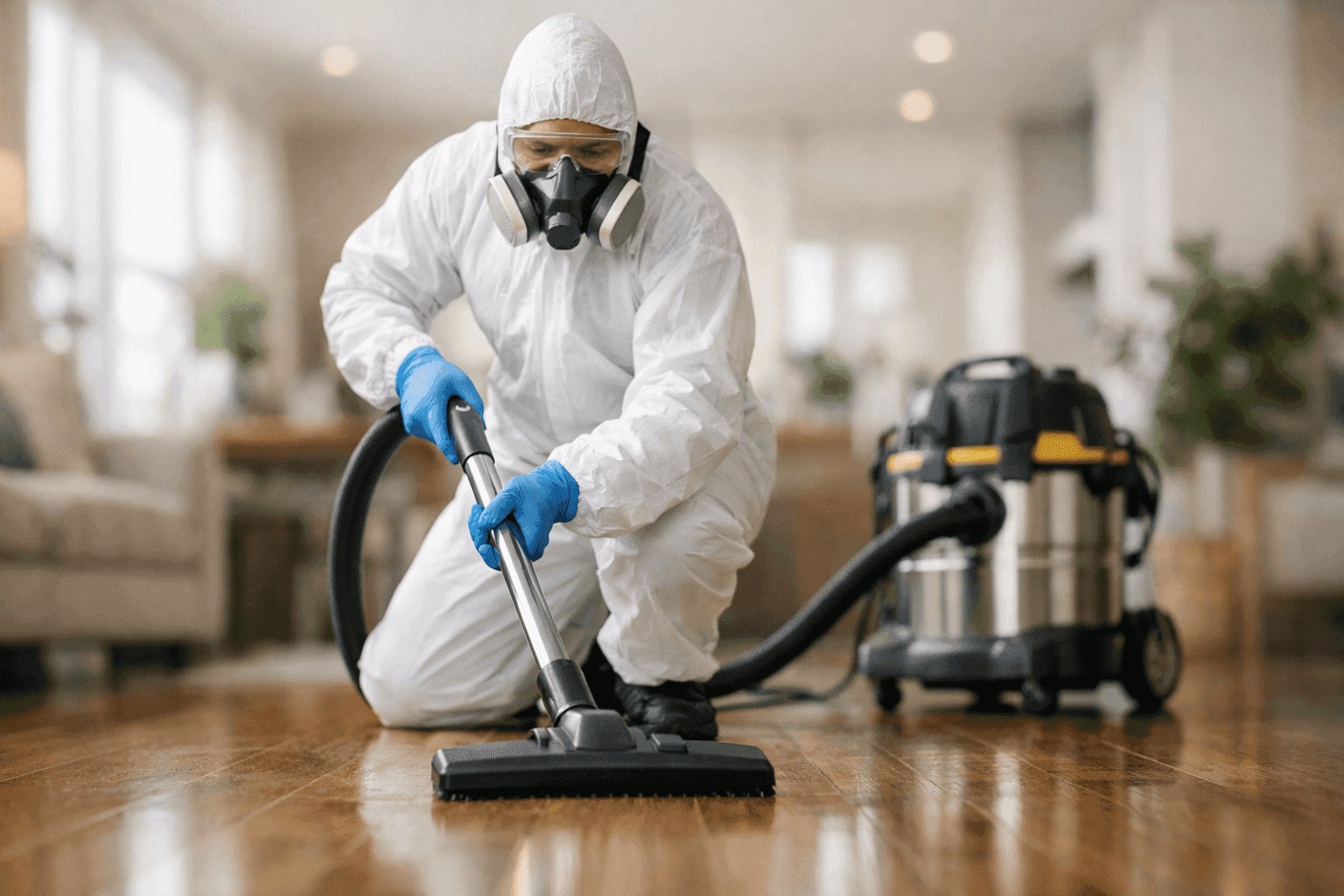
If you or a loved one battles allergies, even your floors can make a difference. Dust, dander, pollen—they all have a way of sneaking in and sticking around. The right flooring can be the unsung hero, helping you breathe easier every day.
At JC Carpet & Flooring, we know the daily struggle. We help families and businesses create spaces where sneezing fits fade, and comfort takes center stage. Flooring isn’t just about looks—it’s about living well.
Allergen Traps: Where Floors Hide Trouble
Floors are the landing zone for everything that floats through your home. Pollen drifts in on a spring breeze. Pet hair drifts out from under the couch. Tiny dust mites make themselves at home in the quiet corners.
Some flooring types act like flypaper for allergens. Others let you sweep them away with ease. Here’s the big picture:
- Carpet: Soft and cozy, but fibers cling to dust and dander. Even with regular vacuuming, allergens can burrow deep.
- Hard Floors: Surfaces like hardwood, vinyl, or tile don’t offer many hiding spots. One swipe, and most dust is gone.
- Cork and Bamboo: These eco-friendly stars are naturally resistant to mold and mildew—two big allergy triggers.
Knowing where allergens lurk is the first step toward a healthier home.
Best Flooring Types for Allergy Sufferers
Not all floors are created equal. Some help you keep the air clean, while others can make things worse. Let’s break it down by type.
Hardwood Flooring: Classic and Clean
Hardwood flooring is a favorite for allergy sufferers. Its smooth surface doesn’t trap dust, pollen, or pet hair. Cleanup is simple—a quick sweep or vacuum does the trick. Plus, it adds timeless beauty to any room.
When considering hardwood, look for:
- Sealed finishes: A good seal keeps cracks and crevices closed, blocking allergen buildup.
- Low-VOC products: Volatile organic compounds (VOCs) in some finishes can bother sensitive noses. Opt for low-emission options recommended by the EPA or GreenGuard.
Learn more about our Hardwood Flooring.
Luxury Vinyl Plank (LVP) and Vinyl Flooring: The Modern Solution
Vinyl and LVP are rising stars for allergy-conscious families. They offer the look of wood or stone without the risk of splinters or cracks. Their water resistance makes them perfect for kitchens, bathrooms, or basements.
Advantages include:
- Seamless installation: Fewer gaps mean fewer places for dust to hide.
- Easy cleaning: Mop, sweep, and go.
- Low-maintenance: No waxing or refinishing needed.
Discover JC Carpet & Flooring’s Vinyl Flooring options.
Tile Flooring: Tough and Hypoallergenic
Ceramic and porcelain tile are nearly impervious to dust mites and pollen. Glazed finishes make cleaning a breeze. The downside? Grout can collect debris if not sealed and maintained.
- Tip: Seal grout lines regularly. JC Carpet & Flooring offers grout cleaning and sealing to keep your tile floors allergy-safe.
Cork Flooring: Nature’s Gentle Touch
Cork is naturally antimicrobial. It resists mold, mildew, and bacteria—common allergy triggers. Its soft, springy feel is easy on joints and adds warmth to rooms.
- Bonus: Cork is a sustainable, eco-friendly flooring choice. It’s harvested from trees without harming them.
Eco-Friendly Flooring: Better for You and the Planet
Eco-friendly flooring isn’t just a buzzword—it’s a healthier choice. Many allergy sufferers are sensitive to chemicals used in traditional flooring. Look for:
- Low-VOC adhesives and finishes
- Natural materials like bamboo or responsibly harvested wood
- Certified products (GreenGuard, FloorScore)
Visit our Eco-Friendly Flooring Options to explore safe, sustainable choices.
Carpets: Can They Work for Allergy Sufferers? 🧹
Carpet is soft underfoot, but not always friendly to allergies. However, modern technology offers some solutions:
- Low pile carpets: Shorter fibers trap less dust.
- Hypoallergenic materials: Wool or synthetic fibers designed to repel allergens.
- Frequent cleaning: Regular deep cleaning with a HEPA-filter vacuum is essential.
Still, hard surfaces usually win out for allergy control.
Maintenance Matters: Keeping Floors Allergy-Safe
Even the best flooring can turn into an allergen trap without proper care. Here’s how to keep your floors—and your air—clean:
- Sweep or vacuum often: Use a HEPA-filter vacuum for carpets and rugs.
- Damp mop hard surfaces: Water lifts dust instead of sending it airborne.
- Control humidity: Use dehumidifiers to prevent mold, especially on basement flooring.
- Seal grout and wood finishes: Blocks out moisture and allergens.
The Asthma and Allergy Foundation of America recommends weekly cleaning routines for best results.
DIY vs. Professional Care: What’s Best for Your Health?
You can handle routine cleaning. But for deep cleaning, floor refinishing, or moisture barrier installation, calling in the pros is often safer—and more effective.
When to DIY
- Sweeping, vacuuming, mopping
- Spot-cleaning spills
- Changing area rugs
When to Call JC Carpet & Flooring
- Deep carpet steam cleaning
- Floor sanding and refinishing
- Grout cleaning and sealing
- Subfloor repair
- Floor inspections for hidden mold or moisture
Professional flooring specialists bring industrial-grade equipment and know-how—like using dustless sanding systems or EPA-recommended cleaning agents—to keep your home safe.
Quick Safety Checklist for Allergy-Friendly Flooring
- Choose hard surfaces over plush carpets.
- Select low-VOC, non-toxic finishes and adhesives.
- Seal all joints and cracks.
- Clean regularly with allergy-safe products.
- Monitor humidity and address leaks immediately.
Signs Your Flooring May Be Making Allergies Worse
- Increased sneezing or watery eyes indoors
- Musty odors (a sign of hidden mold)
- Visible dust or debris around baseboards
- Stains or discoloration (could mean moisture beneath the surface)
- Creaky, loose floorboards (dirt and dust can collect underneath)
If you notice these, it may be time for a professional flooring inspection.
Common Mistakes to Avoid
- Ignoring spills: Even a splash can invite mold.
- Using harsh chemicals: Some cleaners release fumes that worsen allergies.
- Skipping grout or wood sealing: Unsealed areas are magnets for allergens.
- Overlooking rugs: Area rugs should be cleaned or replaced regularly.
Seasonal Considerations: When Allergies Strike Hardest 🌼
- Spring: Pollen counts rise. Keep windows closed and floors clean.
- Summer: Humidity brings mold risk—especially on basement or garage flooring.
- Fall: Leaves and dirt track inside. Entryway mats help.
- Winter: Dry air can stir up dust; humidifiers help but watch for condensation.
FAQ: Flooring for Allergy Sufferers
Q: Is tile better than hardwood for allergies?
A: Both are excellent, but tile is nearly impervious to allergens. Hardwood is also a safe bet when sealed.
Q: Can I keep carpet if I have allergies?
A: It’s possible with low-pile, hypoallergenic carpet and a strict cleaning schedule.
Q: Do I need a vapor barrier?
A: In basements, yes. It prevents moisture buildup—a trigger for mold.
Q: Is eco-friendly flooring really safer?
A: Yes, especially when certified for low VOCs and natural materials.
Timeline & Disruption: What to Expect with New Flooring
Replacing or refinishing floors means some dust and downtime. At JC Carpet & Flooring, we use dust containment systems and schedule work to minimize disruption. Most hard flooring installs take just a few days.
Choosing the Right Flooring Contractor
The right installer understands health as well as craftsmanship. Look for a flooring company that:
- Offers a range of allergy-friendly options
- Uses certified, low-emission products
- Provides clear guidance on maintenance
For families looking for flooring services that prioritize healthy living, JC Carpet & Flooring is ready to help.
In Closing: Comfort, Health, and Cleaner Air
Allergy sufferers can reclaim comfort—starting from the ground up. The right floor, properly cared for, means fresher air and fewer sniffles. Whether you’re renovating a single room or a whole home, we’re here to guide you to options that fit your needs and your health goals.
Call JC Carpet & Flooring now — or reach us anytime at 855-557-1115 .