How to Choose and Place Area Rugs for Any Room
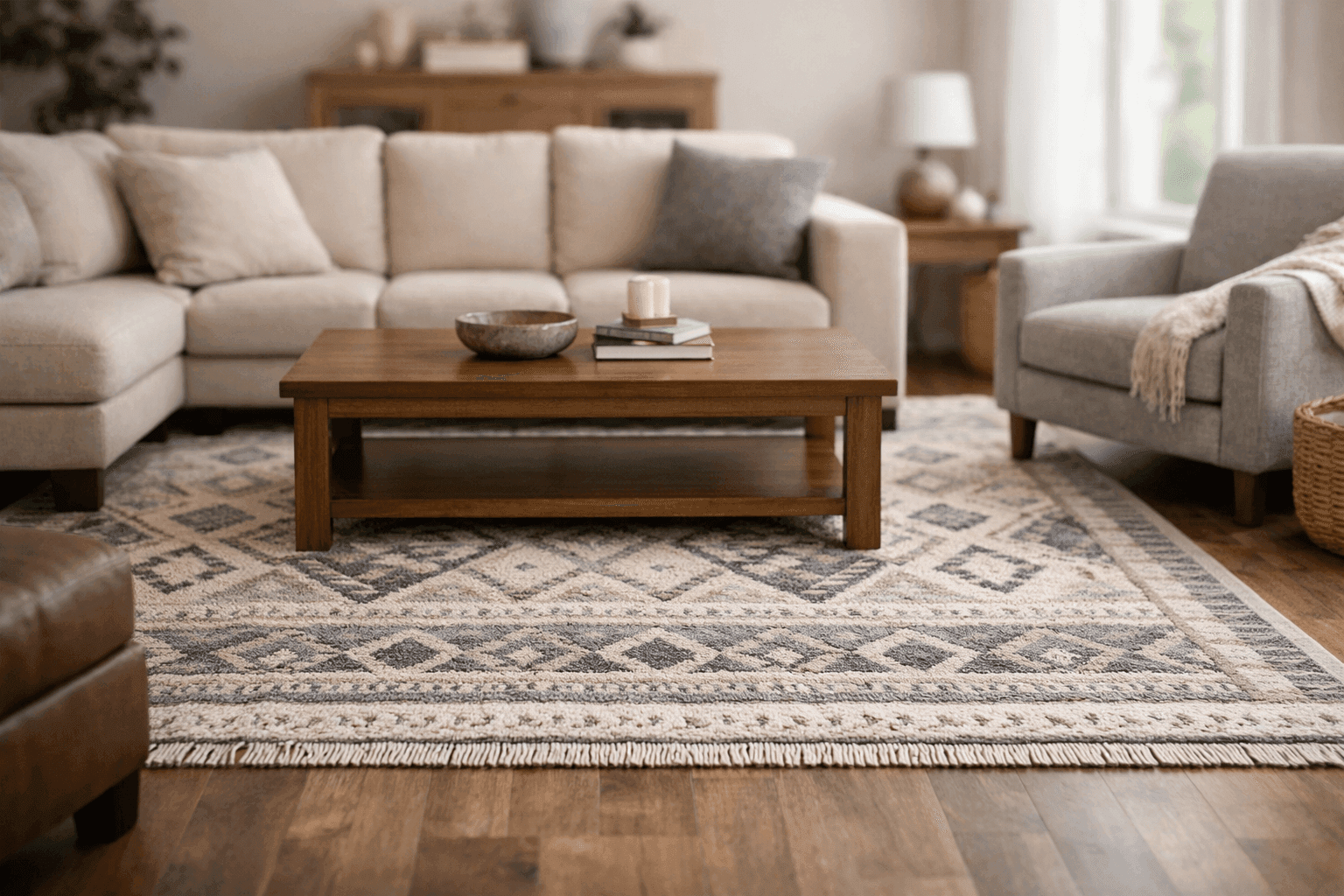
You walk into a room. Something feels off—cold, echoey, unfinished. The right area rug can turn an empty box into a warm, inviting space where every step feels just right. At JC Carpet & Flooring, we know the difference a well-chosen rug can make.
Choosing and placing an area rug isn’t just about color or style. It’s about comfort, noise control, and making every square foot feel like home. Whether you’re updating a living room, bedroom, or office, this guide breaks down what you need to know.
Benefits of Area Rugs
Area rugs are more than just floor coverings. They’re the unsung heroes of both residential and commercial spaces. Here’s why:
- Comfort: Rugs cushion hard floors, making rooms feel cozier and safer underfoot.
- Noise Control: Area rugs absorb sound, cutting down on echoes—especially in open-plan rooms or offices. 🛋️
- Style & Definition: Rugs anchor furniture and define spaces, turning open rooms into functional zones.
- Protection: Rugs shield hardwood, laminate, or tile from scratches, stains, and daily wear.
- Warmth: In cooler months, a rug adds insulation and keeps toes toasty.
The right rug does more than look good—it transforms how a room feels and functions.
Choosing the Right Size and Material
Picking the wrong size rug is like wearing shoes that don’t fit. Too small, and the room feels disconnected. Too large, and you risk overwhelming the space. Here’s how to get it right.
Sizing Basics
- Living rooms: Go big. Ideally, all main furniture (sofa, chairs) should sit at least partially on the rug. Leave 12–18 inches of exposed floor around the edges for balance.
- Bedrooms: Place the rug under the lower two-thirds of the bed. It should extend on both sides, giving you a soft landing when you wake up.
- Offices: The rug should fit under the desk and chair. When you roll the chair, you stay on the rug.
Measuring Tips
- Use painter’s tape to map out the rug area before you buy.
- Odd-shaped rooms? Sometimes layering two rugs (like a jute base with a patterned accent) works wonders.
Material Matters
- Wool: Durable, naturally stain-resistant, and soft. Great for high-traffic areas.
- Synthetic (nylon, polyester): Budget-friendly, easy to clean, often used in offices or kids’ rooms.
- Natural fibers (jute, sisal): Earthy texture, best for low-moisture zones.
- Silk and viscose: Luxurious, but delicate—save for bedrooms or low-traffic spaces.
- Blends: Combine durability and softness.
If you’re unsure, our Flooring Consultation service can help you pick the right material for your needs.
Placement Tips by Room
Getting placement right is both art and science. Here’s how to master it—one room at a time.
Living Room
- All legs on: For larger rooms, place all furniture legs on the rug.
- Front legs on: In smaller spaces, at least the front legs of sofas and chairs should touch the rug.
- Floating rugs: Avoid tiny rugs that “float” in the middle. It chops up the space.
Bedroom
- Under the bed: The rug should extend beyond the bed on both sides (ideally 18–24 inches).
- Runners: For twin beds, use runners on either side.
Office
- Desk zone: The rug should cover the area under the desk and chair, plus a few inches behind the chair’s full range of movement.
- Noise: Rugs in offices help with acoustics—vital for calls and focus.
Dining Room
- Table and chairs: The rug should be large enough so chairs stay on it even when pulled out. This prevents tripping and keeps the look polished.
Hallways & Entryways
- Runner rugs: Choose a length that leaves a few inches of bare floor on each side.
- Non-slip pads: Safety first, especially in high-traffic spots.
For more guidance, our Area Rug Installation team can help lay out your options.
Safety First: Quick Checklist
- Non-slip pads: Always use a quality rug pad to prevent slips and protect floors.
- Tripping hazards: Avoid curled corners by choosing rugs with sturdy edges.
- Building codes: In commercial settings, check local guidelines for trip resistance and fire safety (see National Fire Protection Association recommendations).
DIY vs. Pro Area Rug Installation
Rolling out a rug isn’t rocket science. But for tricky spaces or custom cuts, pros can make the difference.
- DIY: Perfect for standard shapes and open spaces. Just remember to measure twice, place the rug pad, and roll out slowly.
- Call a Pro: For oddly shaped rooms, layering, or integrating with other flooring types (like LVP or hardwood), our installers can cut, seam, and fit to perfection.
What Pros Do On Arrival
- Measure the room and mark placement.
- Assess subfloor and existing flooring.
- Recommend rug pads and materials.
- Install, trim, and secure the rug for safety and longevity.
Common Mistakes to Avoid
- Too small: The #1 mistake. Always size up if you’re on the fence.
- Ignoring the pad: A rug without a pad wears out fast—and can slip.
- Clashing styles: Match the rug’s vibe to your flooring and furniture.
- Skipping maintenance: Dirt gets ground in—regular cleaning matters.
Maintenance and Care
Area rugs are an investment. Keep yours looking sharp with these tips:
- Vacuum regularly: At least once a week, more in high-traffic areas.
- Rotate: Every six months, rotate the rug to even out wear and fading.
- Spot clean: Address spills right away with a clean cloth and mild detergent. Always test a hidden corner first.
- Professional cleaning: Once a year—or more, if you have pets or allergies—hire a pro. The Carpet and Rug Institute offers guidelines on cleaning frequency.
Prevention & Longevity
- Sunlight: Direct sunlight fades colors. Use window treatments or rotate rugs to prevent uneven fading.
- Moisture: Avoid placing wool or natural fiber rugs in damp areas like bathrooms or basements.
- Padding: A quality pad extends rug life and protects your floors.
Seasonal Considerations
- Summer: Rugs help with cool floors, but be sure to air them out and vacuum more often.
- Winter: Rugs insulate and keep rooms warmer. Consider thicker piles for added comfort.
FAQ
How do I know if my rug is too small?
If your furniture doesn’t touch the rug, it’s probably too small. Bigger is almost always better.
Can area rugs go over carpet?
Yes! Layering rugs over carpet adds dimension and style—just use a rug pad to prevent slipping.
What’s the best rug material for allergies?
Wool is naturally hypoallergenic, but synthetic fibers are easier to deep clean.
Timeline & Disruption
Most area rug installations take less than a day. Minimal mess. Furniture may need to be moved, but disruptions are brief.
Signs Your Rug Needs Replacing
- Visible wear or thinning.
- Stubborn odors or stains.
- Edges curling or fraying.
- Color fading beyond repair.
Floor Compatibility: What Works Where
Area rugs play well with almost every surface—hardwood, vinyl, laminate, concrete, and more. Want to see more flooring options? Explore our Residential Flooring solutions for inspiration.
Final Thoughts
The right area rug is more than a finishing touch. It’s the heartbeat of a room—quieting noise, warming toes, and anchoring memories for years to come. At JC Carpet & Flooring, we help you choose, place, and care for rugs that fit your life and style.
Call JC Carpet & Flooring now — or reach us anytime at 855-557-1115 .