Choosing Flooring for Commercial Kitchens and Restaurants
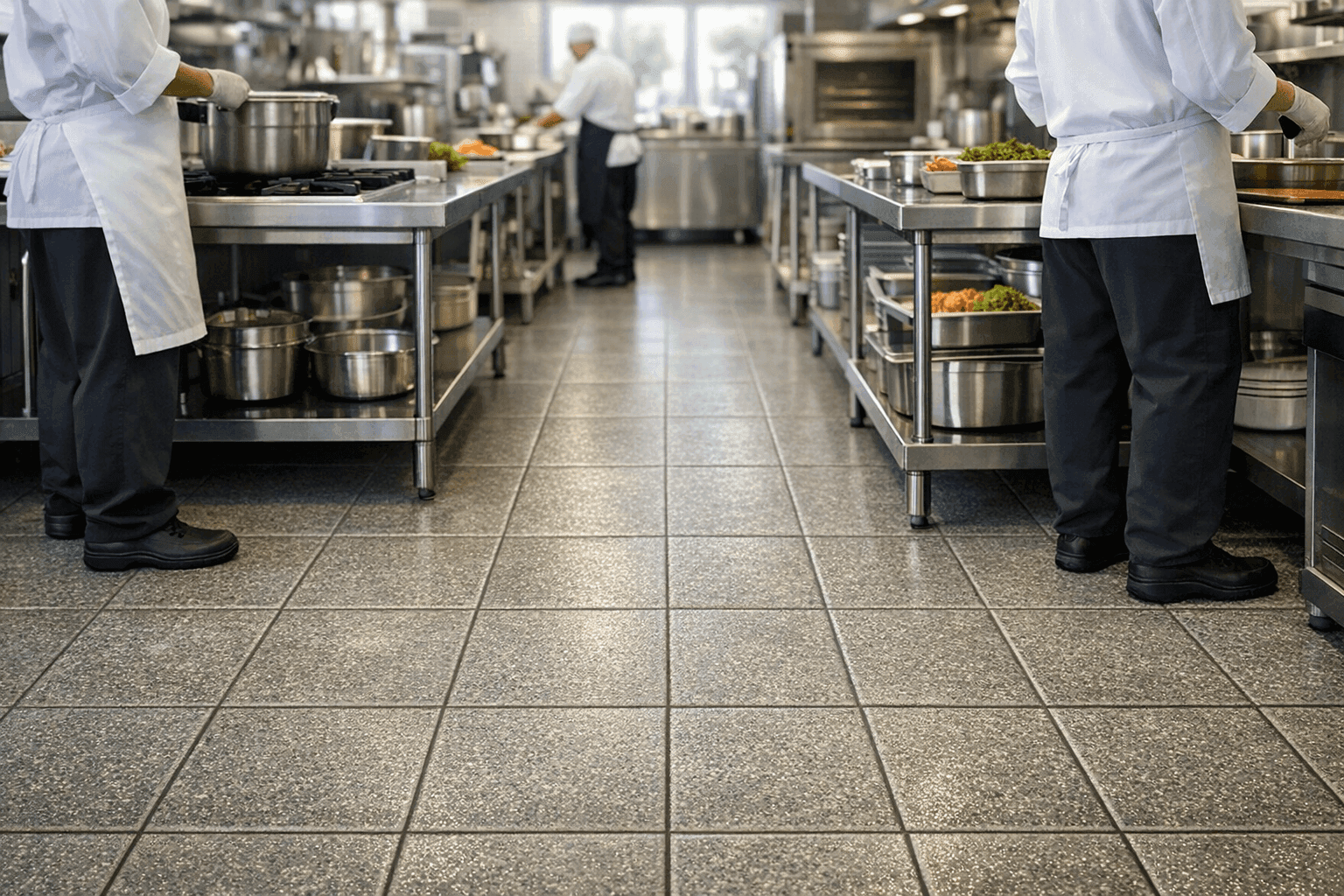
When it comes to commercial kitchens and restaurants, the right flooring isn’t just about looking sharp. It’s about safety, cleanliness, and surviving the daily rush. At JC Carpet & Flooring, we know how overwhelming the choices can be. Regulations are strict. The pressure is high. One slip can mean trouble. That’s why picking the right floor matters.
You want a surface that stands up to spills, heavy foot traffic, and constant cleaning. But you also need something that keeps your team safe and your facility compliant. Let’s break down what matters most, from slip resistance to hygiene, and help you zero in on flooring that works as hard as you do.
Flooring Needs for Kitchens: More Than Just Surface Deep
Picture the heart of your restaurant: cooks hustling, servers gliding, dishes clattering. The floor takes a beating every day. It’s not just a backdrop—it’s the foundation of your operation.
Here’s what every commercial kitchen floor must handle:
- Slip-resistance: Oily shoes, wet mop-ups, the occasional flying lettuce leaf—accidents happen fast.
- Easy cleaning: Food, grease, and grime build up quick. Your floor has to handle frequent, deep cleaning.
- Durability: Carts, equipment, and heels wear down weak surfaces in no time.
- Regulatory compliance: Health codes and safety standards require specific materials and finishes.
- Hygiene: Bacteria love cracks and crevices. Seamless, sealed floors are a must.
According to the National Floor Safety Institute, slips and falls are a leading cause of workplace injuries in food service. The wrong floor can literally be a hazard.
Material Options: Pros, Cons, and Real-World Considerations
Not all flooring is created equal. Some materials shine in kitchens; others fall flat. Here’s where the rubber meets the road:
Slip-Resistant Tile Flooring
Ceramic or porcelain tile is a classic. It’s tough, resists stains, and can be textured for grip. But not all tile is equal—look for products rated for commercial kitchens with slip-resistance built in.
Pros:
- Handles heavy equipment and foot traffic.
- Easy to sanitize with steam or mop.
- Available in multiple finishes and colors.
Cons:
- Can crack if heavy objects fall.
- Grout lines require regular sealing to resist bacteria.
Curious about tile for your space? Learn more about Tile Flooring.
Epoxy Flooring: Seamless and Strong
Epoxy is like the superhero of kitchen floors. It’s poured in place, forming a smooth, joint-free surface that shrugs off spills and chemicals.
Pros:
- No seams or grout—nothing for bacteria to hide in.
- Highly customizable in color and texture.
- Fast installation, minimal downtime.
Cons:
- Needs professional installation for best results.
- Can be slippery if not treated with anti-slip additives.
Vinyl and LVT: Flexible and Functional
Luxury Vinyl Tile (LVT) and sheet vinyl offer a balance of durability and ease of cleaning. They’re softer underfoot than tile, which can help with fatigue during long shifts.
Pros:
- Water-resistant and easy to mop.
- Softer, reducing breakage if dishes drop.
- Budget-friendly.
Cons:
- Seams can allow moisture in if not properly installed.
- May not be as tough as tile or epoxy in the busiest kitchens.
Concrete & Floor Coatings: Industrial Strength
Polished concrete with a high-performance coating stands up to almost anything. When sealed and treated, it’s a workhorse for large prep areas and loading zones.
Pros:
- Extremely durable and long-lasting.
- Customizable with color, texture, and non-slip additives.
- Low-maintenance when properly sealed.
Cons:
- Hard underfoot—can contribute to fatigue.
- Needs periodic resealing.
To explore protective coatings, read about our Floor Coatings.
Safety First: How Floors Affect Workplace Accidents 🛡️
Think of your kitchen floor as a goalie—its main job is to keep accidents out. The CDC’s food safety guidelines highlight that flooring in food prep areas must be “durable, smooth, nonabsorbent, and easily cleanable.”
Quick safety checklist:
- Slip resistance: Look for certified slip-resistance ratings (like ANSI A137.1 for tiles).
- Seamless finishes: Fewer joints mean fewer hiding spots for bacteria.
- Coved edges: Rounded transitions between floor and wall prevent debris build-up.
- Moisture barriers: Install underneath to keep water from seeping down and causing mold.
Hygiene: Keeping Floors Clean and Code-Compliant
A spotless kitchen floor isn’t just about appearances. Food safety inspectors check for cracks, worn finishes, and porous surfaces. The USDA and local health departments require non-porous, easy-to-sanitize floors.
Tips for a hygienic floor:
- Seal grout and concrete regularly.
- Clean up spills immediately.
- Use approved cleaners—some harsh chemicals can eat away at finishes.
- Schedule deep cleans outside of service hours to minimize disruption.
Installation: DIY or Call a Pro?
Commercial kitchen floors are not a weekend DIY. Proper installation means:
- Subfloor prep to ensure level, stable ground.
- Moisture barrier placement.
- Professional-grade adhesives and finishes.
- Compliance with local building codes.
A flooring mistake can mean shutdowns, citations, or costly repairs. It’s worth bringing in seasoned flooring specialists, like the team at JC Carpet & Flooring.
Prevention & Maintenance: How to Make Floors Last
A little care goes a long way. Just like a chef sharpens their knives, your floors need regular TLC.
Maintenance checklist:
- Inspect for chips, cracks, or worn finishes monthly.
- Reseal grout and coatings on schedule.
- Train staff on spill cleanup and using the right cleaning products.
- Place mats at entryways to catch grease and water.
Costs & Time Factors: What to Expect
Budget is always a concern in food service. Upfront, materials like tile or epoxy cost more, but they last longer and need fewer repairs. Vinyl is easier on the wallet but may need replacing sooner.
Timeline: Most installations take 2–5 days, depending on the size and drying/curing time. Plan for downtime during off-hours if possible.
When It’s an Emergency: Signs You Need New Flooring Fast
Sometimes, you can’t wait. Here are top signs your kitchen floor needs urgent attention:
- Buckling, warping, or soft spots.
- Deep cracks or broken tiles.
- Persistent odors or visible mold.
- Slippery spots even after cleaning.
If you notice these, it’s time to call a professional flooring contractor for an inspection.
Common Mistakes: What to Avoid
- Skipping professional installation to save money.
- Ignoring regular maintenance.
- Choosing decorative over durable.
- Letting minor damage go unrepaired.
Every shortcut can lead to bigger headaches down the line—lost revenue, failed inspections, or even injuries.
FAQs: Flooring in Commercial Kitchens
Q: Is epoxy safe for kitchens?
A: Yes, when installed with the proper slip-resistant additives and food-safe finishes.
Q: How often should floors be resealed?
A: Tile grout and epoxy coatings should be resealed every 1–3 years, depending on traffic.
Q: Can you install flooring over old surfaces?
A: Sometimes. It depends on the material and the condition of the base. Professional assessment is best.
Timeline & Disruption: Planning Your Project
Installations are best done during scheduled closures or slow periods. Our team works efficiently to minimize downtime, but curing and sealing can take up to 48 hours. Plan ahead and communicate with staff.
Seasonal Considerations: Heat, Moisture, and More
Extreme temperatures and humidity can affect flooring materials. In kitchens, consistent cleaning with hot water and steam is expected, so choose materials that won’t warp or degrade with heat or moisture.
Signs of Trouble: When Floors Start Failing
Look for these red flags:
- Discoloration or staining that won’t budge.
- Loose or popping tiles.
- Water pooling in low spots.
- Musty smells or visible mold.
Early intervention saves time and money.
Real-World Scenarios: Learning from Experience
We’ve seen restaurants sideline service because of floor failures—cracked tile, slippery vinyl, or buckled concrete. One client in the Commercial Flooring market avoided shutdown by upgrading to slip-resistant epoxy, installed over a weekend.
The right floor isn’t just a box to check on a permit. It’s the unsung hero that keeps kitchens running and teams safe.
Final Thoughts: Choosing Floors That Work as Hard as You Do
There’s no one-size-fits-all answer. But with the right materials, proper installation, and regular care, your kitchen floor can outlast years of breakfast rushes and late-night cleanups.
Want advice tailored to your space? The JC Carpet & Flooring team is ready to help you find the safest, most durable solution—so you can focus on what you do best.
Call JC Carpet & Flooring now — or reach us anytime at 855-557-1115 .