Commercial Flooring: Best Choices for Heavy Traffic Areas
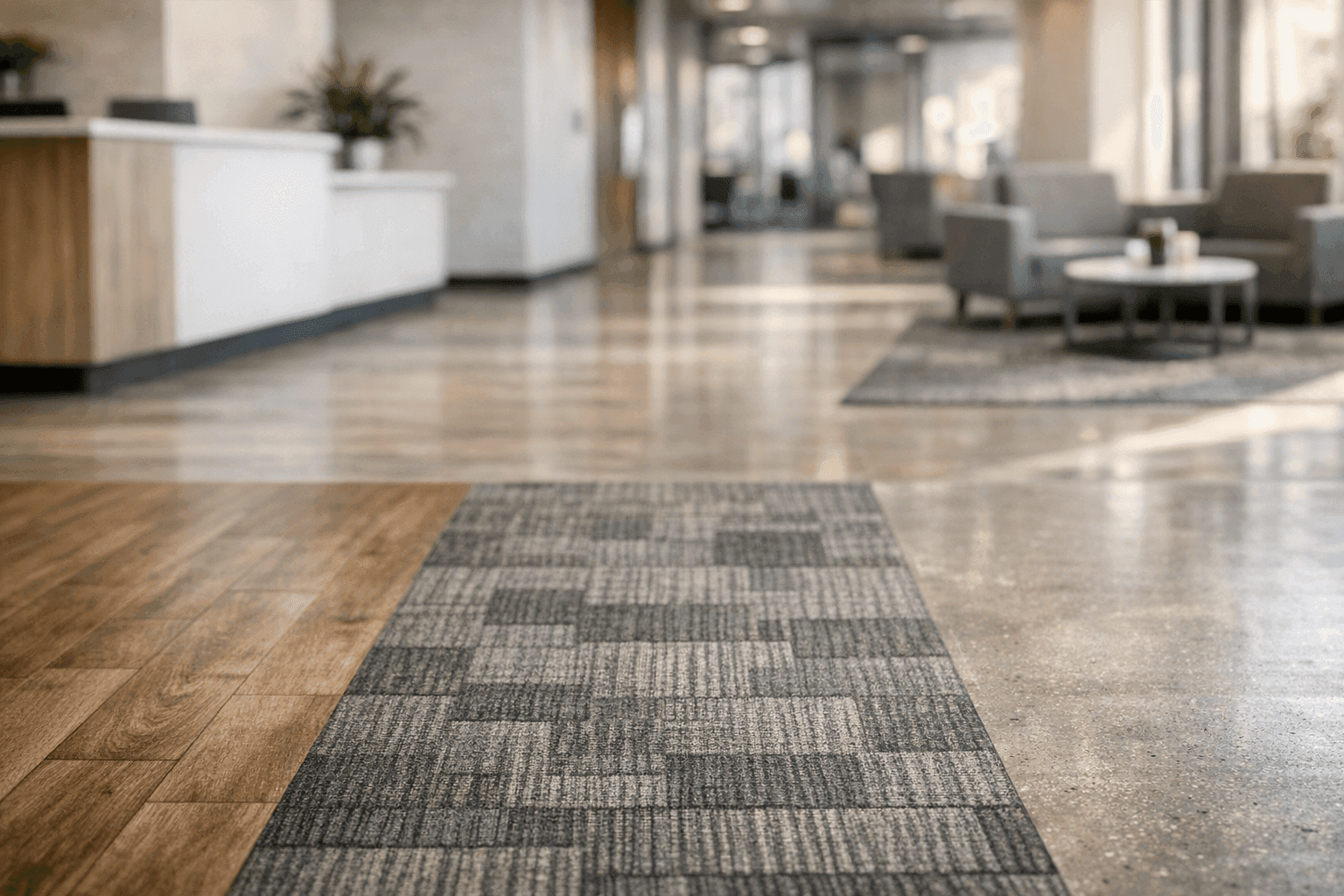
Every business has a story. But it’s the floors beneath our feet that carry the weight of daily hustle—rainy days, coffee spills, and the constant shuffle of customers and employees. At JC Carpet & Flooring, we know what it means when “heavy traffic” isn’t just a phrase, but a real test for your workspace.
Choosing the right commercial flooring isn’t about picking what looks best in a showroom. It’s about balancing durability, safety, maintenance, and style, all while keeping your business running smoothly.
Heavy-Traffic Materials: What’s Built to Last? 🏢
Not all floors are cut from the same cloth. Some handle the stampede; others crumble under pressure. These are the top contenders for high-traffic spaces:
- Luxury Vinyl Tile (LVT): The quiet workhorse. It mimics wood or stone, resists scratches, and shrugs off spills. LVT is a favorite in offices and retail because it’s as tough as it is stylish.
- Commercial Carpet: Not your living room rug. Commercial carpet is dense, low-pile, and often made with solution-dyed fibers for stain resistance. Perfect for reducing noise in busy offices or hotels.
- Epoxy Flooring: Think of a shield—epoxy is that for concrete. It stands up to oil, chemicals, and rolling carts, making it ideal for garages, warehouses, and healthcare.
- Polished Concrete: Industrial chic meets longevity. Polished concrete handles forklifts, crowds, and even the occasional dropped tool, all while looking sleek.
- Porcelain or Ceramic Tile: Hard as stone, easy to clean, and available in endless styles. Tiles thrive in entryways, kitchens, and restrooms where wet shoes and messes are the norm.
Want to see which material fits your business best? Our flooring consultation service can help you weigh the options.
Maintenance Needs: Keeping Floors Looking Fresh
A beautiful floor means little if it’s impossible to keep clean. Here’s what to consider:
- LVT: A quick sweep and occasional mop. No wax, no fuss.
- Commercial Carpet: Regular vacuuming and deep cleaning with hot water extraction or low-moisture techniques. Stain removal is crucial—act fast!
- Epoxy: Mop with gentle cleaners. No waxing needed, but watch for deep scratches, especially in automotive spaces.
- Polished Concrete: Dust mop daily. Occasional burnishing brings back the shine.
- Tile: Sweep and mop. Grout can get grimy—schedule periodic Flooring Consultation.
Routine care isn’t just about looks. It’s about protecting your investment and ensuring safety for everyone who walks through your doors.
Safety Features: Protecting People and Your Business
Slip, trip, and fall hazards are the leading cause of workplace injuries, according to the National Safety Council. Flooring isn’t just a design choice; it’s a safety feature.
- LVT and Carpet: Both can be installed with slip-resistant backings. Commercial carpet also cushions falls and reduces fatigue.
- Epoxy: Non-slip additives are a must in wet or oily areas. Ask about safety-rated textures.
- Polished Concrete: Can be slippery when wet. Choose a matte finish or add grippy treatments for entryways.
- Tile: Textured tile or anti-slip coatings help prevent accidents, especially in bathrooms or kitchens.
Building codes from the International Building Code (IBC) and Americans with Disabilities Act (ADA) also set minimum standards for slip resistance. Make sure your choices support compliance—especially if you have public access areas.
Longevity: How Long Will It Last?
No one wants to replace floors every few years. Here’s what you can expect:
- LVT: 10–20 years with proper care.
- Commercial Carpet: 7–15 years, depending on traffic and maintenance.
- Epoxy: 10–20 years in commercial settings.
- Polished Concrete: 20+ years—sometimes the lifetime of the building.
- Tile: 20+ years with intact grout and regular care.
Remember: traffic patterns, cleaning habits, and even the local climate can impact these numbers.
Looks That Last: Style Meets Substance
A floor is the first thing people notice—and the last thing you want them to remember for the wrong reasons.
- LVT: Endless design options. Wood, stone, metal, even custom graphics.
- Commercial Carpet: Patterns that hide stains and coordinate with brand colors.
- Epoxy: Custom colors, flakes, and even logos embedded right in.
- Polished Concrete: Sleek, modern, and industrial.
- Tile: Classic, contemporary, or bold—take your pick.
The right look supports your business image while signaling cleanliness and professionalism.
Costs & Time Factors: Budgeting for the Real World
Let’s talk numbers. Upfront costs matter, but so do life cycle costs (how much you’ll spend over the floor’s life).
- LVT: Mid-range price, low ongoing maintenance.
- Commercial Carpet: Budget-friendly upfront. Costs add up if deep cleaning is frequent.
- Epoxy: Higher initial cost, but low maintenance in the long run.
- Polished Concrete: Cost-effective if you’re working with a concrete subfloor.
- Tile: Higher material and labor cost, but long lifespan offsets it.
Factor in installation time. Some materials need days to cure (epoxy, polished concrete), while others can be used almost right away (LVT, carpet).
Prevention & Maintenance: Simple Habits, Big Impact
A few smart habits can extend your floor’s life:
- Place walk-off mats at entrances to trap dirt and moisture.
- Use furniture pads and avoid dragging heavy items.
- Clean up spills immediately—especially on carpet and tile.
- Schedule professional deep cleaning as recommended.
These steps help keep your floors safe, attractive, and functional year-round.
Quick Safety Checklist for Business Owners
- Are high-traffic areas slip-resistant?
- Are transitions between flooring types smooth (no trip hazards)?
- Is signage clear for wet floors?
- Are cleaning supplies appropriate for your flooring type?
- Is there a regular inspection schedule?
If you answered “no” to any of these, it’s time for a flooring review.
Common Mistakes: What to Avoid
- Choosing residential materials for commercial spaces—they just won’t last.
- Ignoring subfloor prep. A bad base = a bad floor, every time.
- Overlooking maintenance needs. Some floors are beautiful but high-maintenance.
- Cutting corners on installation. Professional installation matters for performance and warranty.
When to Call a Pro vs. DIY
Some fixes are simple—like a quick mop or replacing a tile. But for most commercial flooring projects, professional assessment and installation are critical. Commercial spaces face stricter code and safety requirements, and mistakes aren’t just costly—they’re risky.
Need help deciding? Our Epoxy Flooring specialists handle everything from consultation to installation.
Timeline & Disruption: How Long Will It Take?
Here’s the good news: Many modern flooring systems are designed for fast installation. LVT and carpet tiles can often be installed over a weekend. Epoxy and polished concrete need curing time—plan for 2–3 days.
Night or off-hours installation minimizes business disruption. Ask about phasing—installing one area at a time to keep your doors open.
Signs of Trouble: When It’s Time for an Upgrade
- Visible wear paths, stains that won’t budge, or loose/buckling tiles.
- Slippery spots, cracks, or trip hazards.
- Faded, outdated, or mismatched patches.
- More frequent repairs or complaints from staff and customers.
If these sound familiar, a flooring upgrade isn’t just cosmetic—it’s a safety and reputation issue.
Floor Inspections: Why They Matter
Regular inspections catch small issues before they become big problems. Look for:
- Uneven surfaces or movement underfoot.
- Water intrusion or moisture marks (especially in basements or kitchens).
- Worn finishes or exposed seams.
JC Carpet & Flooring offers detailed evaluations so you know exactly what you’re stepping on.
Seasonal Considerations: Weather and Wear
Salt, sand, rain, and snow all take a toll on floors in entryways and transition zones. Consider:
- Durable mats in winter.
- Humidity management for wood and laminate.
- Extra cleaning during wet seasons.
Planning ahead keeps your floors in top shape, no matter the forecast.
Flooring and Your Business Image
Floors set the tone. Customers judge cleanliness and professionalism in seconds. Stained carpet or chipped tile can do more harm than you think. Investing in the right surface is investing in your brand.
Flooring Codes: Don’t Overlook Compliance
From fire ratings to accessibility, commercial floors must meet strict standards. Check requirements from the International Building Code (IBC), ADA, and local authorities. A professional flooring contractor keeps your project code-compliant and safe.
Your Next Step: Smarter, Safer Commercial Flooring
Choosing the right commercial flooring is more than a design choice. It’s about safety, durability, and keeping your business moving forward. Whether it’s LVT, epoxy, carpet, or tile, JC Carpet & Flooring is here to help you choose wisely—and install with care. If you’re looking for trusted flooring professionals, reach out today.
Call JC Carpet & Flooring now — or reach us anytime at 855-557-1115 .