Concrete Flooring for Homes: Pros, Cons, and Design Ideas
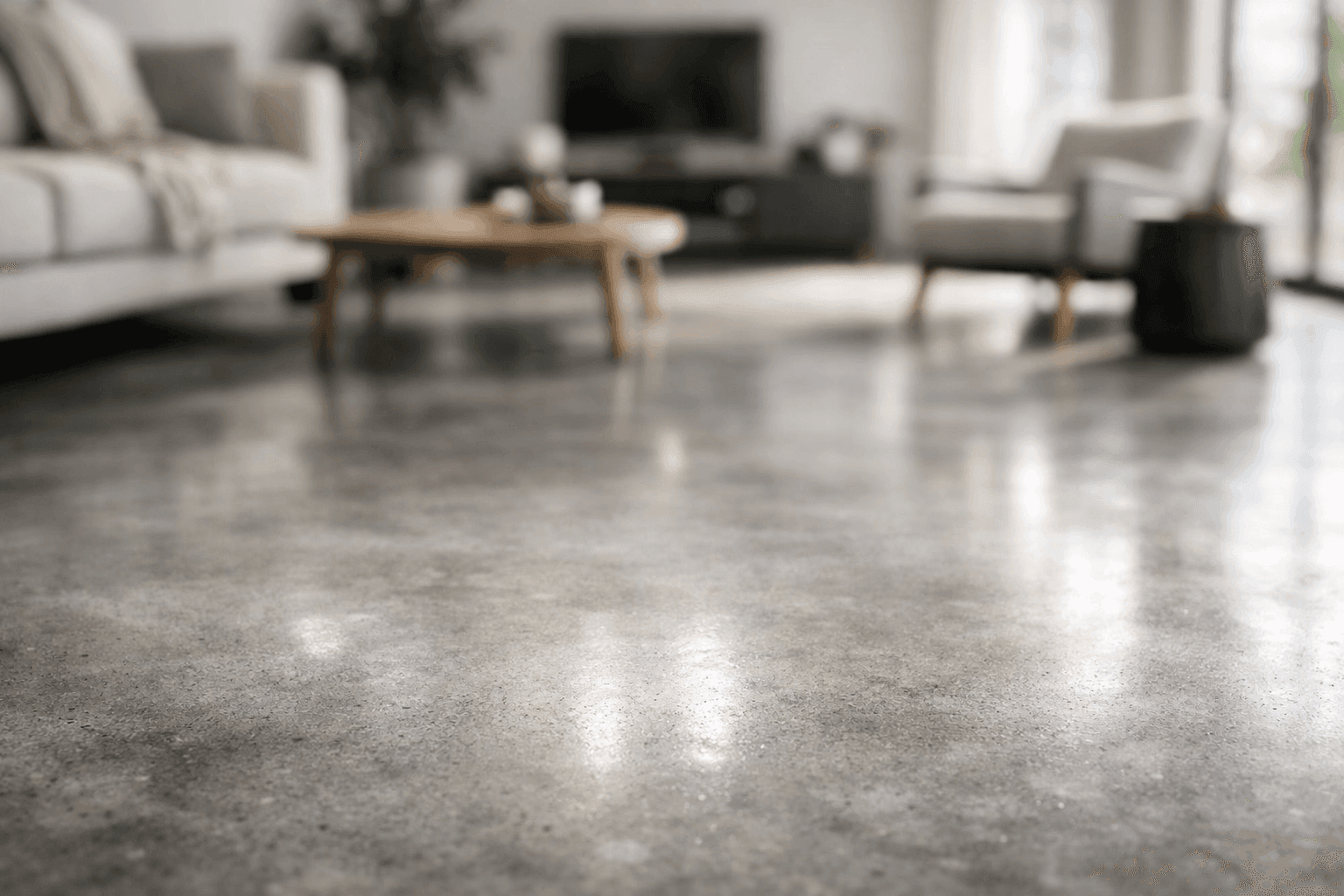
Thinking about a bold, durable surface underfoot? Concrete flooring isn’t just for warehouses anymore. Homeowners are discovering its modern charm—and its surprising flexibility. But like any big decision, it’s wise to dig into both the beauty and the bumps in the road.
At JC Carpet & Flooring, we’ve walked clients through every step of the journey. We know what works—and where to tread carefully. Let’s break down the essentials.
Why Choose Concrete Flooring?
Concrete flooring has stepped into the residential spotlight for a reason. Some families want a cool, industrial vibe. Others are drawn to its nearly bulletproof toughness. Either way, concrete brings a sense of permanence you can feel with every step.
- Strength that lasts: Concrete floors shrug off heavy furniture, rolling office chairs, and the pitter-patter of paws or kids.
- Low-maintenance lifestyle: Unlike carpet or wood, concrete won’t trap dust, pet hair, or allergens.
- Design freedom: Modern techniques mean your floor can look as warm and welcoming as you want.
It’s not just about looks. Concrete is a practical choice for high-traffic rooms, basements, and even kitchens. When installed and sealed properly, it can outlast most other types of flooring.
Design Possibilities ✨
Forget the dull gray slabs of yesterday. Today’s concrete flooring is a blank canvas. You’ll find endless ways to personalize:
- Staining and Dyeing: Custom colors—from earthy browns to jewel tones—can add character.
- Polishing: A polished surface reflects light and creates a sleek, showroom finish.
- Texturizing: Want grip? Broom finishes, stamped patterns, or exposed aggregate add visual and tactile interest.
- Inlays and Borders: Mix in metal, wood, or tile for unique, high-end touches.
- Heated Floors: Radiant systems bring cozy warmth, even to concrete.
With the right vision (and an experienced flooring consultation), concrete can mimic slate, tile, or even marble—at a fraction of the cost.
Pros and Cons of Concrete Floors
Every silver lining has a cloud. Here’s a look at the full picture.
Pros
- Durability: Concrete stands up to years of use, even in the busiest households.
- Versatility: Works with modern, rustic, or minimalist styles.
- Allergy-Friendly: No fibers or grout lines to trap dust and pollen.
- Eco-Friendly Potential: Existing slabs can be polished or stained, reducing new material use.
- Value: Properly finished concrete can boost resale appeal.
Cons
- Hardness: It’s unforgiving. Dropped dishes break. Extended standing may tire your feet.
- Cold Underfoot: In winter, concrete can feel chilly—unless you add radiant heating.
- Cracking: Minor hairline cracks can appear over time, though sealing and proper installation help prevent issues.
- Moisture Sensitivity: Without a quality moisture barrier, basements and ground floors may risk dampness.
- Slippery When Wet: High-gloss finishes need anti-slip treatments in kitchens or bath areas.
Maintenance Considerations 🧹
Concrete floors are tough, but not invincible. Preventing problems is easier than repairing them later.
- Seal It Right: Sealing keeps stains and moisture at bay. Reapply every few years or as recommended.
- Sweep and Mop: Dust and grit can dull the shine. Regular sweeping and an occasional damp mop keep things looking crisp.
- Spot Cleaning: Wipe up spills quickly to avoid staining—especially with acids or oils.
- Rugs and Mats: Help soften foot traffic in busy spots and add warmth where needed.
The National Ready Mixed Concrete Association (NRMCA) and the American Concrete Institute (ACI) both recommend professional inspection and maintenance for best results.
Is Concrete Flooring Right for You? (Real-World Scenarios)
Picture a busy kitchen after dinner—spills, crumbs, maybe a dropped plate. Concrete shrugs it off. Or a sun-drenched living room filled with plants: polished concrete bounces the light around, highlighting every leaf.
But if you love to go barefoot in winter, or you spend hours standing while you cook, you may want to add area rugs or install radiant heating.
Common Myths About Concrete Floors
Myth: Concrete floors are always cold and industrial.
Reality: With stains, textures, and inlays, concrete can look as warm or colorful as you wish.
Myth: Concrete cracks are inevitable and ugly.
Reality: Minor hairline cracks can add character, and most can be minimized with expert installation and control joints.
Myth: Concrete is only for basements or garages.
Reality: More homeowners are choosing concrete for living rooms, kitchens, entryways—even bedrooms.
DIY vs. Professional Installation
Could you DIY a concrete floor? Technically, yes. But it’s like baking bread: you might get something edible, but achieving that perfect rise and texture takes experience.
- Pros know how to prep the subfloor, apply moisture barriers, and finish surfaces for maximum life.
- Mistakes—like improper mixing, uneven pours, or missed curing times—can lead to costly repairs later.
An in-person flooring consultation helps spot issues before they grow.
Quick Safety Checklist
Thinking about concrete flooring? Consider:
- Subfloor condition: Cracks or uneven spots must be fixed before installation.
- Moisture levels: Especially important for basements or slab-on-grade homes.
- Slip resistance: Choose finishes wisely for bathrooms or entryways.
- Code compliance: Always follow local building codes and the American Concrete Institute’s guidelines for installation.
Cost & Timeline Factors
Concrete flooring isn’t always the cheapest option, but it can be one of the most cost-effective over time.
- Installation costs vary based on prep work, finish, and custom details.
- Timelines: Pouring, curing, and finishing can take several days to weeks, depending on weather and room size.
- Disruption: It’s a dusty process—protect your furniture and plan for some noise.
Seasonal Considerations
Concrete expands and contracts with temperature changes. In cold climates, radiant heating is a smart upgrade. In humid areas, a high-quality moisture barrier is non-negotiable.
Common Mistakes to Avoid
- Skipping the moisture barrier: This leads to dampness, mold, and musty smells.
- Ignoring expansion joints: These help prevent unsightly cracks.
- Choosing the wrong sealer: Not all sealers are created equal. Consult a pro for high-traffic or wet areas.
Signs of Trouble
Watch for:
- New cracks or lifting edges
- Persistent damp patches
- Cloudy or flaking sealant
Early detection can save a lot of headache—and money.
When to Call a Flooring Specialist
If you’re unsure about moisture, see cracks, or want a custom finish, don’t go it alone. An experienced team can assess your space, recommend finishes, and ensure your new floor lasts for years.
For homeowners searching for Residential Flooring that balances style and durability, concrete is worth a closer look.
Final Thoughts: Concrete Floors That Fit Your Life
Concrete flooring isn’t just a trend—it’s a lasting choice for families, creatives, and anyone who wants something both practical and eye-catching. With the right prep, finish, and care, it can be the heart of your home for decades.
Ready to explore the possibilities?
Call JC Carpet & Flooring now — or reach us anytime at 855-557-1115 .