Cork Flooring: Benefits, Care, and Installation Guide
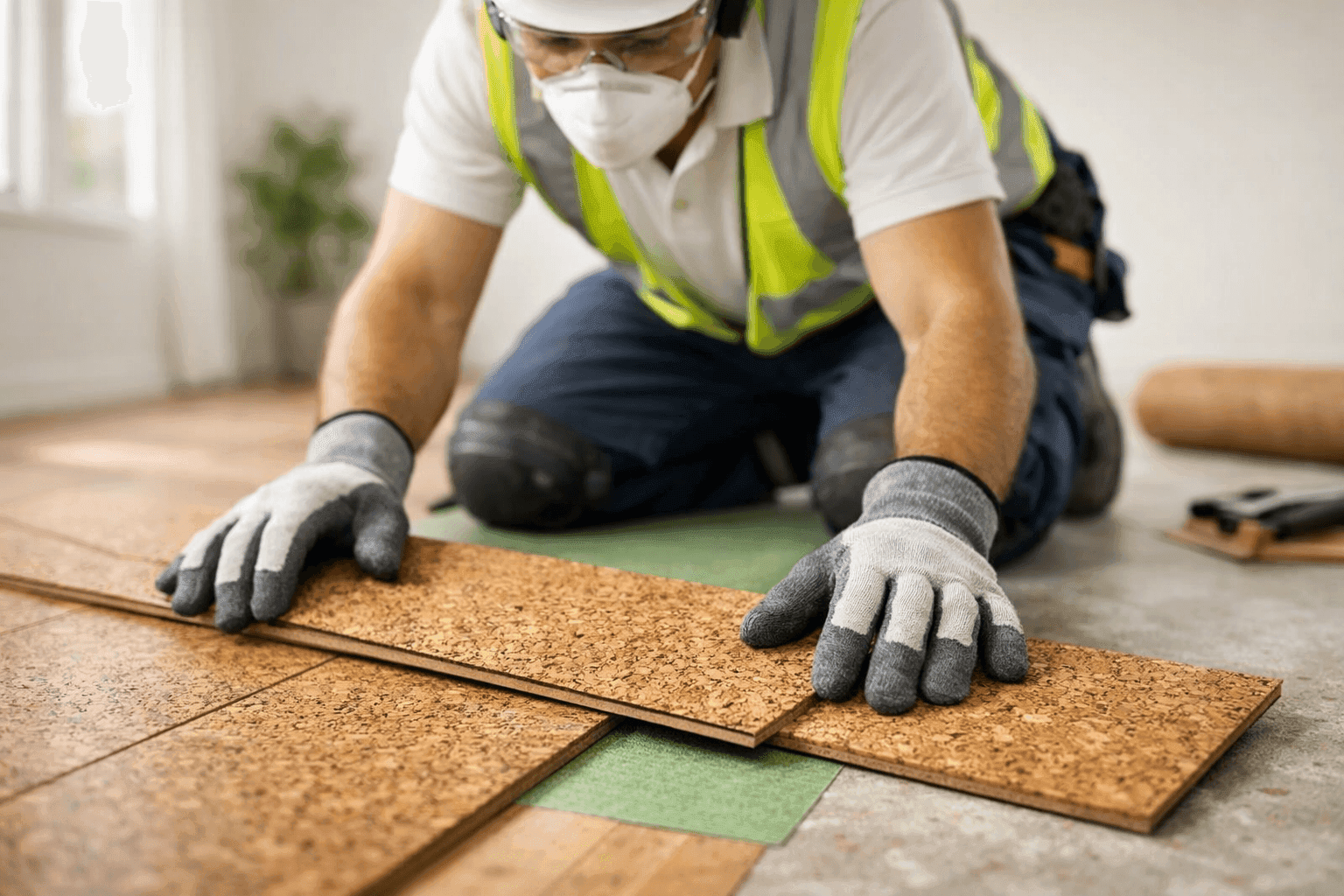
Are you searching for a floor that’s kind to your feet, your home, and the planet? Cork flooring may be the answer you never knew you needed. At JC Carpet & Flooring, we’ve seen more families and businesses discover the unique comfort and practicality of cork.
If you’re weighing your options or just curious, this guide will walk you through the benefits, installation steps, and care essentials—so you can decide if cork is a fit for your lifestyle or workspace.
Why Cork Flooring? The Benefits That Make It Stand Out
Imagine walking on a forest path cushioned by fallen leaves. That’s the feeling cork brings indoors. Here’s why so many homeowners and businesses are making the switch:
- Supreme Comfort: Cork’s natural springiness absorbs impact. It’s easier on your joints, making it perfect for spaces where you stand a lot—like kitchens or retail stores.
- Thermal Insulation: Cork traps air in its structure, keeping floors warmer underfoot and helping regulate room temperature. A win for both comfort and energy bills.
- Sound Dampening: Like a natural noise-canceling mat, cork absorbs sound. It’s ideal for apartments, offices, or busy households.
- Hypoallergenic: Cork repels dust, mold, and mildew. Allergy sufferers breathe easier.
- Eco-Friendly: Harvested from the bark of cork oak trees—without harming the tree. It’s one of the most renewable flooring materials.
- Slip Resistance: Textured and slightly soft, cork provides natural grip—reducing slips in kitchens, entryways, or playrooms.
A Quick Safety & Suitability Checklist 🛡️
Before choosing cork, consider:
- Is your space prone to heavy water exposure? Cork resists moisture but isn’t invincible. It’s not the best for bathrooms or wet basements.
- Do you have pets or heavy furniture? Cork is resilient, but sharp claws and heavy objects can leave marks.
- Do you need radiant floor heating? Good news—cork plays well with underfloor heating systems.
Is Cork Flooring Safe for Homes and Workplaces?
Absolutely. Cork is naturally fire-resistant, thanks to the suberin in its cellular structure. It also meets most building codes for flame spread (always check your local regulations). For those worried about chemicals, many cork floors are finished with low-VOC sealers, keeping indoor air quality healthy.
Allergy Relief: A Breath of Fresh Air
Unlike carpets that trap allergens or some floors that harbor mold, cork’s surface is inhospitable to dust mites, pollen, and mold spores. The Asthma and Allergy Foundation of America recommends hard, non-porous floors for allergy management—cork fits the bill.
Going Green: Cork’s Eco Credentials 🌱
Cork trees aren’t cut down for flooring. Instead, the bark is harvested every 9–14 years, and the tree continues growing—sometimes living over 200 years. Choosing cork means supporting sustainable forests and reducing your environmental footprint. If eco-friendly flooring options matter to you, cork is a leading choice.
How Does Cork Compare to Other Flooring Options?
- Carpet: Softer, yes, but traps dust and stains. Cork is easier to clean and more durable long-term.
- Hardwood: Both are warm underfoot, but cork is softer. Hardwood may win on resale value, but cork is quieter and greener.
- Vinyl or Laminate: These can mimic cork’s look, but they lack cork’s natural comfort and renewability.
- Tile: Durable and water-resistant, but cold and hard compared to cork’s cozy feel.
Where Cork Flooring Shines: Best Rooms and Uses
- Residential Flooring near you: Kitchens, family rooms, bedrooms, home offices, playrooms, and finished basements (with proper moisture protection).
- Commercial Spaces: Retail shops, yoga studios, classrooms, and offices—anywhere comfort and quiet matter.
Step-By-Step: How Cork Flooring Is Installed
Installing cork isn’t a race, but a careful walk—step by step. Here’s how it unfolds:
1. Subfloor Inspection and Prep
A flat, dry, and clean subfloor is critical. At JC Carpet & Flooring, we check for moisture, cracks, and levelness. Any issues? We fix them before moving forward.
2. Acclimation
Cork planks or tiles need time to adjust to your room’s climate. We recommend at least 48 hours in the space where they’ll be installed.
3. Layout Planning
We dry-fit a few rows to plan for the best appearance and minimize waste. This ensures a balanced look, especially around doorways or odd-shaped rooms.
4. Installation
- Floating Floors: Click-together planks that “float” above the subfloor. Fast, clean, and perfect for most homes.
- Glue-Down Tiles: Adhered directly for a seamless look. Ideal for high-traffic or commercial spaces.
5. Sealing and Finishing
Some cork comes pre-finished; others need sealing after installation. We use low-VOC finishes for a durable, easy-to-clean surface.
DIY or Call a Pro?
Small room and handy with tools? Floating cork floors can be a rewarding DIY project. For larger spaces, glue-down installs, or if your subfloor isn’t perfect, calling a professional flooring contractor like JC Carpet & Flooring saves time and headaches.
Timeline & What to Expect During Installation 🕒
- Average Time: 1–3 days for most homes, depending on prep and room size.
- Disruption: Minimal dust (compared to sanding hardwood). Rooms should be cleared of furniture. You’ll need to stay off the new floor for 24–48 hours after installation and finishing.
Maintenance: How to Keep Cork Floors Looking New
Cork loves a little TLC. Here’s how to keep it glowing:
- Sweep or vacuum weekly with a soft brush head—avoid beater bars.
- Damp mop only (never wet). Use pH-neutral cleaners.
- Wipe spills quickly. Cork is water-resistant, not waterproof.
- Use felt pads under furniture legs to prevent dents.
- Avoid high heels and pet claws—these are cork’s kryptonite.
Seasonal Considerations: Humidity, Heat, and Cold
Cork expands and contracts with temperature and humidity swings. In dry winters, use a humidifier to prevent gapping. In muggy summers, air conditioning or dehumidifiers help maintain a stable environment.
Common Mistakes to Avoid
- Skipping acclimation: Leads to planks that shift or separate.
- Improper sealing: Letting moisture sneak in can warp tiles.
- Dragging furniture: Always lift—never drag—on cork floors.
Costs and Value: Is Cork Flooring Worth It?
Cork isn’t the cheapest option, but it packs value—comfort, quiet, sustainability, and long life. Installation costs vary by method and room size. Investing in professional installation often pays for itself in longevity and fewer repairs.
Signs It’s Time to Refinish or Replace Cork Flooring
Even the best floors age. Watch for:
- Deep scratches, gouges, or sun-faded patches that cleaning can’t fix.
- Worn or peeling finish—time for a new coat of sealer.
- Water damage—swelling or persistent discoloration may mean a replacement is needed.
Most cork floors can be sanded lightly and resealed several times in their life, extending their beauty for decades.
When to Call for Help: Emergencies and Repairs
If you notice buckling, persistent dampness, or a musty smell, act fast. Water damage spreads quickly. We recommend a professional inspection for peace of mind—especially in commercial settings or if your property is in a high-moisture area.
Frequently Asked Questions About Cork Flooring
Is cork flooring safe for families with allergies?
Yes—its hypoallergenic properties help keep indoor air clean.
Can cork floors be used with radiant heat?
Absolutely; just check your system’s specs and use a compatible underlayment.
Does cork fade in sunlight?
Like hardwood, cork can lighten over time. Use rugs or curtains in sunny spots.
How long does cork flooring last?
With good care, 20–30 years is typical—sometimes more.
Trusted Support for Residential and Commercial Cork Flooring
Whether you’re upgrading your home or outfitting a business, JC Carpet & Flooring offers a full range of cork flooring and eco-friendly flooring options. Our team handles everything—consultation, installation, maintenance, and repairs—with a focus on safety and long-term value.
If you’re in the area and want to learn more, see how a reputable flooring company can help with planning, installation, and ongoing care.
Thinking about cork flooring, or ready to see samples in person?
Call JC Carpet & Flooring now — or reach us anytime at 855-557-1115 .