Is Cork Flooring Right for Your Home or Office?
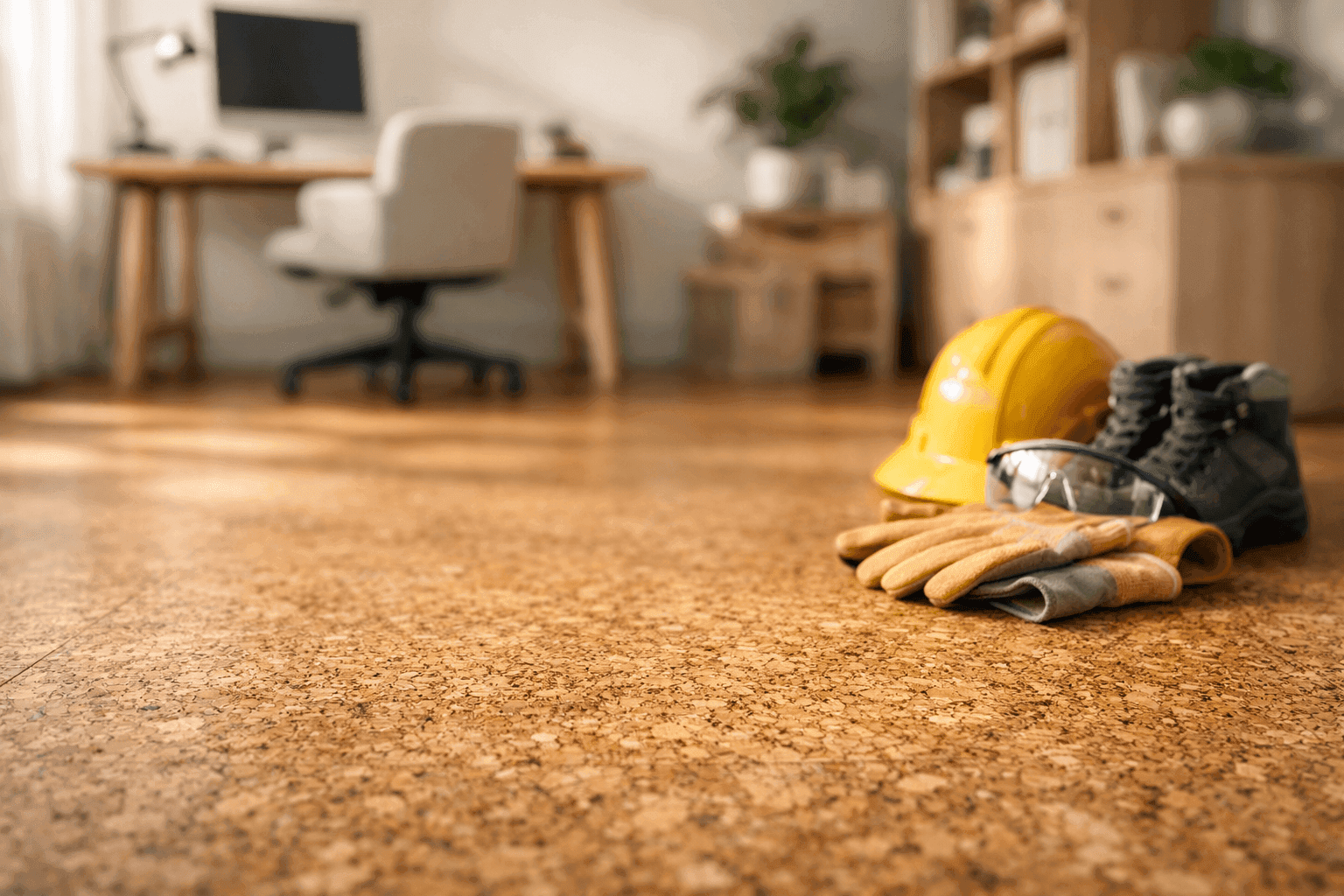
Are you searching for a flooring option that’s as comfortable as your favorite pair of shoes—and just as reliable? Maybe you’re wondering if a more sustainable material could match your daily needs, whether at home or at work. The flooring you choose shapes your space in unexpected ways: it muffles footsteps, warms chilly toes, and even impacts indoor air quality.
At JC Carpet & Flooring, we understand that finding the perfect floor is a balance between style, practicality, and responsibility. Let’s take an honest look at cork flooring—a material with a gentle touch and a strong story—to help you decide if it’s the right fit for your next project.
What Is Cork Flooring? 🌱
Cork flooring isn’t just another trend. It’s harvested from the bark of the cork oak tree, mostly found in Mediterranean regions. This process doesn’t harm the tree; in fact, it keeps growing and regenerating its bark for decades. The result? A flooring material that’s soft underfoot, naturally insulating, and—best of all—renewable.
You’ll often find cork pressed into tiles or planks. Some have a natural look, complete with speckles and warm hues. Others are dyed or patterned, offering unique design choices for both residential and commercial settings.
Pros and Cons of Cork Floors
The Upsides
- Comfort: Cork feels cushiony. It’s like walking on a forest floor, not a cold slab.
- Thermal Insulation: Keeps floors warmer in winter and cooler in summer.
- Sound Absorption: Its cellular structure soaks up noise—a quiet bonus for offices or kids’ rooms.
- Sustainability: Cork regrows after harvest, and many products are low in VOCs (volatile organic compounds), improving indoor air quality.
- Hypoallergenic: Cork resists mold and mildew—a plus for anyone sensitive to allergens.
The Tradeoffs
- Susceptibility to Damage: Sharp furniture legs, high heels, or pet claws can leave marks. Heavy objects might make permanent dents.
- Moisture Sensitivity: Cork can swell if soaked. Standing water is its kryptonite.
- Color Fading: Direct sunlight fades cork over time, so sunny spots may show wear.
- Maintenance Needs: Regular sealing is a must to protect against spills and scuffs.
Where to Use Cork Flooring
Cork is versatile, but not invincible. It shines in:
- Living Rooms: Soft for lounging, quiet for reading.
- Bedrooms: Warm under bare feet at sunrise.
- Home Offices: Reduces echo, perfect for video calls.
- Libraries or Conference Rooms: Where quiet matters.
- Retail and Hospitality Spaces: For businesses focused on comfort and sustainability.
Avoid cork in spaces that get soaked—bathrooms, mudrooms, or anywhere puddles linger. For kitchens, proper sealing and area rugs can help extend its life.
Maintenance Tips for Cork Floors 🧹
Keep cork looking its best with a few easy habits:
- Sweep or vacuum regularly with a soft attachment.
- Wipe spills quickly—don’t let liquids linger.
- Use felt pads under furniture to prevent dents and scratches.
- Add mats at entrances to trap dirt and moisture.
- Re-seal the surface every few years, or as recommended by your flooring installer.
- For deep cleaning, use a damp mop with pH-neutral cleaner (never soaking wet).
How Durable Is Cork, Really?
Cork is flexible—literally and figuratively. Properly cared for, it can last decades. But it’s not as hard as oak or tile. Think of it as a resilient, forgiving surface rather than an indestructible one.
In commercial spaces, higher-density cork or a tough polyurethane finish boosts longevity. For homes, following maintenance routines is key. Reference the National Wood Flooring Association (NWFA) for best practices and industry standards.
Is Cork Flooring Safe?
Cork is naturally fire-resistant, thanks to suberin (a waxy compound in its cells). It releases fewer toxins than many synthetic floors if exposed to flame. Most cork flooring also meets indoor air quality standards set by organizations like FloorScore or GREENGUARD.
Still, always check for reputable certifications and ask your flooring contractor about adhesives and finishes used in installation.
The Environmental Impact
Choosing cork means supporting forests that remove carbon dioxide and protect biodiversity. Cork oak trees live for centuries, and bark harvesting encourages growth rather than deforestation. Many manufacturers use recycled cork, making it an even greener choice.
Looking for more Eco-Friendly Flooring Options? Cork is just one avenue—there are other sustainable materials we’d love to discuss with you.
The Look: Design Possibilities
Gone are the days of cork’s dated, speckled look. Modern cork flooring comes in:
- Planks or tiles
- Multiple shades, from honey gold to charcoal
- Subtle patterns or dramatic marbling
You can match cork to sleek, contemporary décor or rustic, cozy spaces. Its natural texture adds warmth and depth that other floors sometimes lack.
Where Cork Outshines Other Flooring
- Acoustics: It hushes noise better than laminate or hardwood.
- Warmth: No more shock of cold tile on winter mornings.
- Sustainability: Unlike vinyl or carpet, cork is renewable and biodegradable.
In open-plan homes or busy offices, cork can be the difference between a space that echoes and one that feels calm.
Common Mistakes With Cork Flooring
- Skipping regular sealing—this leaves cork vulnerable to stains.
- Installing in wet areas without moisture barriers.
- Dragging furniture without pads—hello, scratches!
- Using harsh cleaners that strip away protective layers.
A seasoned flooring contractor like JC Carpet & Flooring can help you avoid these pitfalls and enjoy cork’s benefits for years.
Cost Factors (and Long-Term Value)
Cork flooring costs more upfront than basic laminate, but less than many hardwoods. Installation, sealing, and ongoing maintenance are investments in both comfort and durability. Over time, cork’s resilience can mean fewer repairs and a longer lifespan.
For commercial flooring, cork’s noise reduction and comfort can boost productivity and client satisfaction—often worth the initial outlay.
Is Cork Flooring Right for Families?
Absolutely, with planning. Kids and pets love its softness, and parents appreciate the easy cleanup and allergen resistance. In high-traffic zones, area rugs can protect the surface and add style.
Is It a Good Fit for Offices?
Cork’s sound absorption and ergonomic benefits make it a smart choice for offices—especially creative studios, clinics, or anywhere long hours on your feet are common. It’s also an impressive statement for any business committed to sustainability.
To see how cork fits into commercial settings, check out our Commercial Flooring solutions.
Seasonal Considerations
Cork expands and contracts with temperature and humidity shifts. Acclimate planks or tiles before installation. In dry winters, a humidifier keeps floors from shrinking. In humid summers, air conditioning helps maintain stability.
When to Call a Pro
If your cork floor shows water damage, deep gouges, or persistent gaps, it’s time to call in a professional. DIY fixes can be tempting, but improper repairs may only make things worse. JC Carpet & Flooring offers full cork flooring services for residential flooring near you—installation, refinishing, and more.
Final Thoughts: Is Cork Your Next Floor?
Cork flooring is as practical as it is inviting. It cushions your steps, quiets your space, and treads lightly on the planet. It isn’t perfect for every room, but with thoughtful installation and care, it can be a long-lasting, sustainable choice for both homes and offices.
Still making up your mind? Our team is here to answer questions and help you compare options.
Call JC Carpet & Flooring now — or reach us anytime at 855-557-1115 .