Do You Need a Moisture Barrier for New Floors?
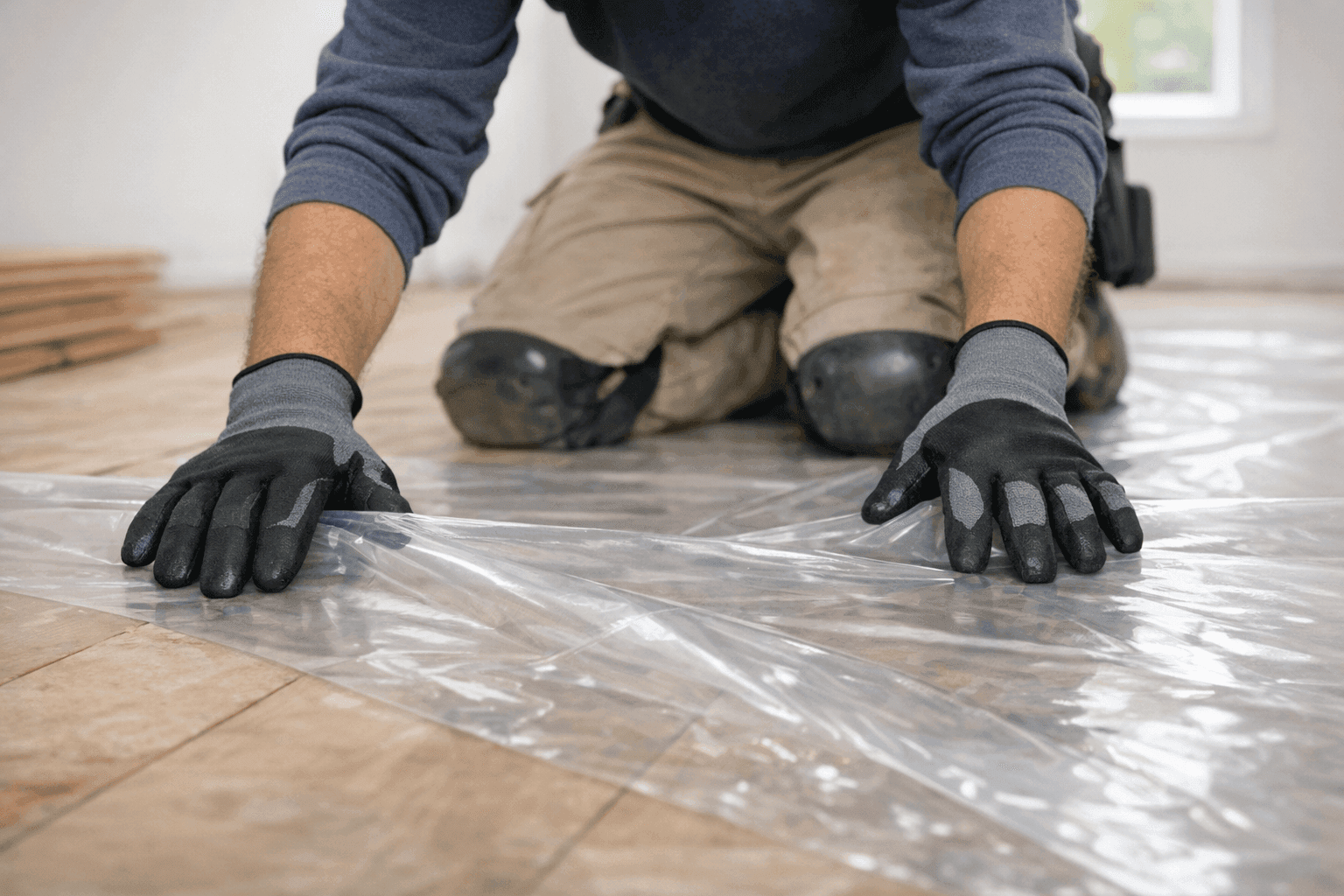
Is your new floor doomed before it begins? It’s a tough question, but one that matters more than you think. Moisture, often invisible, can sneak up under your flooring and turn a dream renovation into a headache.
At JC Carpet & Flooring, we’ve seen it all: warped planks, squishy carpets, and mysterious odors. If you’re wondering whether you need a moisture barrier, you’re not alone—and you’re asking the right question.
How Moisture Damages Floors
Water is a silent saboteur. You might not notice it at first. One day your hardwood feels solid, the next it’s curling at the edges. LVP loses its snap. Grout turns dark.
Why does it happen? Moisture travels up from below—especially through concrete, basements, and ground-level slabs. It can rot wood, foster mold, bubble vinyl, and loosen glue. The result: expensive repairs, safety concerns, and lost value.
Key Risks of Uncontrolled Moisture
- Warping: Wood and laminate boards can bend or buckle.
- Mold & Mildew: Health hazards that thrive under damp floors.
- Staining & Odors: Musty smells and unsightly marks.
- Adhesive Failure: Tiles and planks come loose.
- Cracked Grout: Especially in tiled and stone floors.
The National Wood Flooring Association and the International Building Code both highlight how crucial moisture protection is—especially in certain environments.
Where Moisture Barriers Are Needed Most 🌧️
Not every floor is at equal risk. Some locations practically beg for a barrier.
High-Risk Areas
- Basements: Below-grade spaces are moisture magnets. Hydrostatic pressure pushes water up through concrete.
- Slab-on-Grade Construction: Concrete slabs, especially older ones, let moisture seep upward.
- Garages & Utility Rooms: These areas often have raw concrete foundations.
- Humid Climates: Regions with high humidity see vapor migrate through floors all year.
- Bathrooms & Laundry Rooms: Even above ground, leaks and spills can wreak havoc.
If you’re not sure, a Flooring Consultation can help pinpoint your risks.
Types of Moisture Barriers: What’s Right for You?
Think of a moisture barrier like a raincoat for your floor. It comes in a few forms:
- Plastic Sheeting (Polyethylene): Classic and effective. Laid directly over concrete before flooring goes down.
- Foam Underlayment with Vapor Barrier: Common for laminate and engineered wood; combines cushion and protection.
- Liquid-Applied Membranes: Painted or rolled onto concrete for a seamless seal.
- Sheet Membranes: Peel-and-stick or rolled products, used in bathrooms and tiled areas.
Each has its place. For basement flooring, a heavy-duty plastic sheet is often essential. For hardwood, a combo underlayment may be best.
Quick Safety Checklist Before Installing
Before you start, run through these essentials:
- Check slab dryness: Use a calcium chloride or RH test (ASTM F2170) to measure moisture.
- Inspect for cracks or leaks: Address these before installing any barrier.
- Ventilate the area: Good airflow helps moisture escape.
- Follow manufacturer’s instructions: Some flooring warranties require specific barriers.
Step-by-Step: How Pros Install a Moisture Barrier
Every job is a little different, but here’s the typical roadmap:
- Prep the Subfloor: Clean thoroughly. Remove dust, debris, and old adhesive.
- Repair Damage: Patch cracks and level the surface. A Basement Flooring job often starts here.
- Lay the Barrier: Overlap seams by 6–8 inches. Tape securely.
- Seal Edges: Run the barrier up walls slightly and tape corners.
- Install Flooring: Lay your LVP, laminate, carpet, or tile over the protected surface.
A professional moisture-barrier-installation keeps every layer tight and up to code.
Signs Your Floor Has a Moisture Problem
How do you know if water is already causing trouble? Watch for:
- Cupping or buckling: Boards push up or curve.
- Dampness or staining: Especially along perimeter walls.
- Musty odors: Indicates mold or mildew underneath.
- Efflorescence: White, powdery residue on concrete.
- Loose tiles or soft spots: Glue and grout break down.
If you spot these, get a flooring inspection ASAP.
DIY vs. Professional Help: Making the Right Call 🛠️
Some moisture barriers are simple to install. Plastic sheeting under floating floors? Many homeowners can handle it. But basements, large spaces, and concrete repairs are another story.
Consider calling a flooring company if:
- The area is large or tricky (like a utility room or basement).
- There’s visible water damage.
- You’re not sure what barrier type fits your new floor.
- Local code requires a licensed pro.
What Flooring Pros Do On Arrival
Expect a thorough process. Here’s what happens when you call JC Carpet & Flooring:
- Moisture Testing: Using industry-standard methods to measure humidity.
- Subfloor Inspection: Checking for damage, level, and past repairs.
- Barrier Recommendation: Based on floor type, climate, and risk.
- Safe, Code-Compliant Installation: Following NWFA and IBC guidelines to the letter.
Prevention & Maintenance: Keeping Floors Dry for Years
A moisture barrier isn’t a set-it-and-forget-it solution. Here’s how to maintain your investment:
- Check for leaks: Especially after heavy rain or plumbing problems.
- Maintain humidity: Use dehumidifiers in basements.
- Inspect edges and seams: Re-tape or repair as needed.
- Schedule periodic Flooring Consultation: Catch small issues before they grow.
Costs & Time: What to Expect
Installing a moisture barrier is usually a small slice of your total flooring budget, but it saves big in the long run. Most jobs take a few hours to a day, depending on room size.
- Plastic sheeting: Quick, cost-effective.
- Liquid membranes: More prep and dry time, but seamless.
- Professional installation: Peace of mind, code compliance.
Flooring failures from moisture damage can cost thousands to repair. Prevention is always less expensive.
When Moisture Is an Emergency 🚨
Water pooling on your floor? Musty smell that won’t quit? Soft spots growing every week? It’s time to act fast.
- Clear the area.
- Call a pro for immediate inspection.
- Don’t install new flooring until the problem is fixed.
Seasonal Considerations: Don’t Get Caught Off Guard
Spring and summer bring higher humidity. Snowmelt or heavy rain can spike ground moisture. Basements and slabs are most vulnerable during these times. Plan your installation with the seasons in mind.
Common Mistakes to Avoid
- Skipping the moisture test: Never guess—always measure.
- Choosing the wrong barrier: Not all floors need the same protection.
- Poor sealing: Gaps at seams or edges defeat the purpose.
- Ignoring local codes: Some cities require barriers by law.
Timeline & Disruption: How to Plan Your Project
Expect some disruption. Furniture must move, and you may need to avoid the space for a day or two. Communication with your installer keeps surprises to a minimum.
Frequently Asked Questions
Do I need a moisture barrier for hardwood over plywood?
Not always, but if the space is above a crawlspace or in a humid region, it’s smart.
Is it necessary under vinyl flooring?
If you’re installing over concrete, yes. Over wood, it depends on the subfloor’s condition.
What about radiant floor heating?
Check the flooring manufacturer’s requirements—some systems need special barriers to prevent vapor buildup.
Flooring Consultation in Coeur d’Alene
If you’re planning new flooring, especially for a basement, don’t leave moisture protection to chance. Our team serves residential and commercial clients looking for reliable Flooring Consultation and installation advice.
Ready to protect your investment and ensure your floors last? Call JC Carpet & Flooring now — or reach us anytime at 855-557-1115 .