Emergency Floor Repair: What to Do After a Flood or Storm
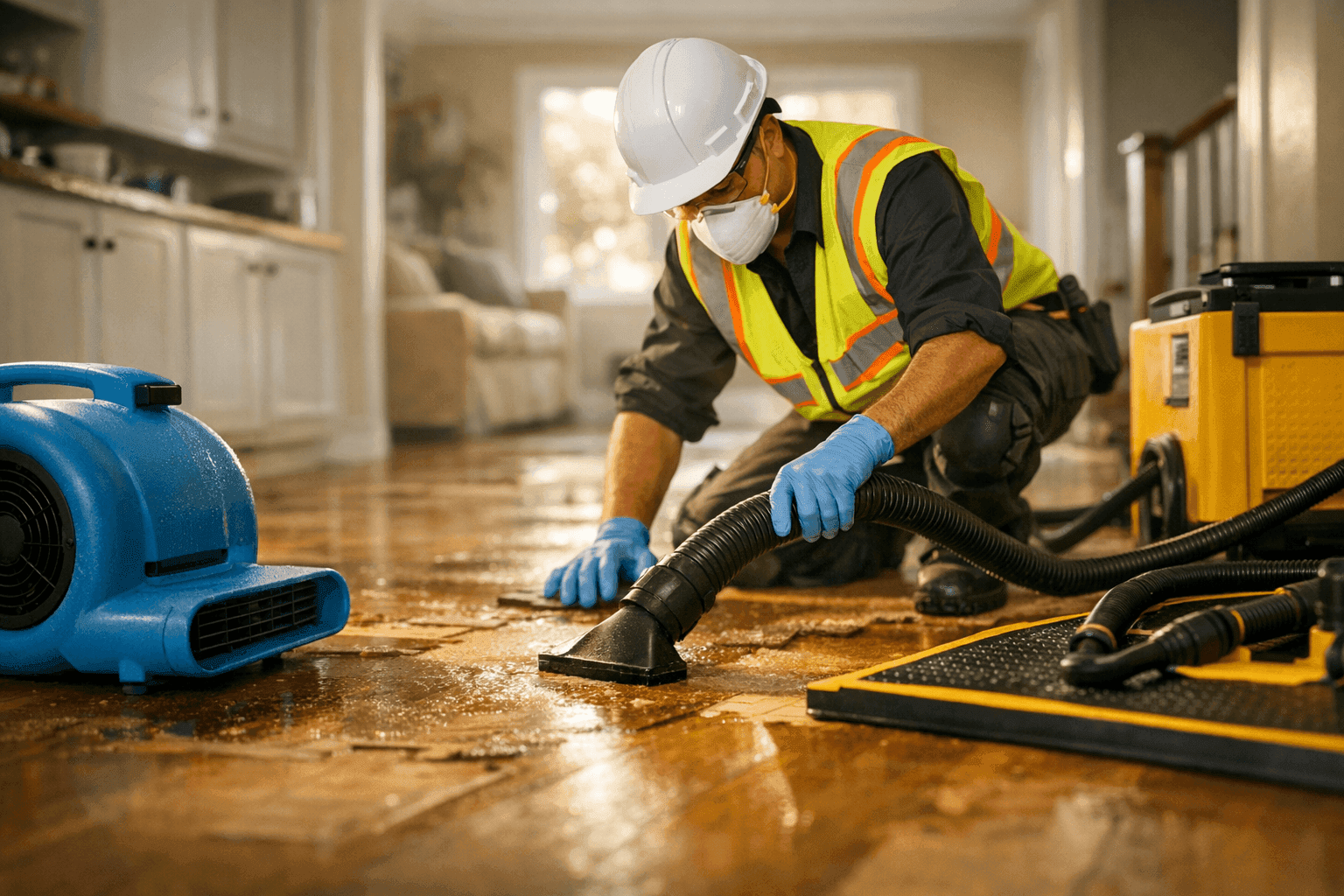
When a flood or sudden storm hits, the chaos can feel like a tidal wave crashing right through your front door. Floors soak up more than water—they absorb the stress, the uncertainty, and the urgency to act fast.
At JC Carpet & Flooring, we've seen firsthand how quick thinking and the right steps can save more than just your flooring. This guide walks you through what to do when the waters rise, so you can protect your property and get back on solid ground.
First Steps After Water Damage 🛑
Water and electricity are a dangerous mix. Before you do anything, safety comes first.
- Turn off power at the main breaker if you suspect water is near outlets or wires. If you can’t do this safely, wait for an electrician or emergency responders.
- Avoid walking on wet or sagging floors—they may be weaker than they look.
- Snap photos of the damage for insurance. Even a quick video helps.
- Move valuables and furniture to dry ground, if possible. Focus on items most at risk: electronics, important papers, and family keepsakes.
According to the Federal Emergency Management Agency (FEMA), acting within the first 24–48 hours after water exposure is critical. The faster you begin, the better your chances of saving your flooring and preventing mold.
Assessing Floor Damage
Once the area is safe, it's time to play detective. Not all water damage looks the same, and some problems hide below the surface.
Look for:
- Warping or buckling in hardwood, laminate, or vinyl.
- Soft spots in carpet or underfoot—these can signal hidden rot.
- Discoloration, stains, or foul odors.
- Cracks or flaking in concrete and tile.
Basements and lower levels are especially vulnerable. If you spot pooling water or suspect the subfloor is soaked, it’s time for a closer look. For specialized help, our Basement Flooring service can assess unique challenges below ground.
Quick Safety Checklist
- Check for standing water—use a wet/dry vacuum or mop to remove as much as possible.
- Ventilate the area: open windows and doors to let fresh air in.
- Use fans and dehumidifiers to drive out moisture.
- Wear gloves, boots, and a mask if cleaning up dirty or contaminated water (as recommended by the CDC).
Stay alert for mold. It can begin growing within 24 hours, particularly on carpet and wood.
DIY Cleanup vs. Professional Help
Some jobs are small enough to handle with what you have at home. Others need tools, experience, and a pro’s touch.
DIY might be enough if:
- The water is clean (not from sewage or flooding rivers).
- Only a small area is affected.
- Flooring is not warped, soft, or lifting.
Call professionals when:
- Water came from outside or is contaminated.
- You see major buckling, sagging, or mold.
- Subflooring or insulation is wet.
- There’s significant damage in multiple rooms.
Professional floor repair companies, like JC Carpet & Flooring, use industrial fans, moisture meters, and restoration techniques that dry deep beneath the surface. We also check for hidden issues that could cause trouble later.
What the Pros Do On Arrival
When our team arrives, the first steps are all about stopping further damage and starting the drying process:
- Inspect with moisture meters—these measure dampness below the surface.
- Remove soaked carpet, padding, or underlayment if needed.
- Set up commercial-grade fans and dehumidifiers.
- Apply antimicrobial treatments to prevent mold.
- Assess subfloor stability and recommend repairs.
If hardwood or laminate is savable, we’ll start specialty drying. If not, we’ll walk you through replacement options, including eco-friendly and moisture-resistant choices.
Common Flooring Types and How They Handle Water
Every flooring material reacts differently to water. Here’s what to expect:
- Carpet: Soaks up water fast. Padding beneath can trap moisture, leading to mold.
- Hardwood: Swells and cups, sometimes beyond repair.
- Vinyl and LVP: Can resist water, but seams may let moisture into the subfloor.
- Tile: Generally water-resistant, but grout and subfloor are vulnerable.
- Concrete: Strong, but cracks can let water seep up.
Knowing your floors helps you spot the early signs of trouble—and guides your next steps.
When It’s an Emergency
How do you know if your flooring situation is urgent?
- Water is still entering your home, or you can't find the source.
- The floor is soft, unstable, or makes strange noises when you walk.
- Mold smell or visible spores appear quickly.
- There’s risk of electrical shock or structural collapse.
If any of these sound familiar, don’t wait. Call for emergency floor repair. Fast action can mean the difference between a minor fix and a major renovation.
The Importance of Moisture Barriers
Floods expose the hidden weaknesses in your home. A moisture barrier is like a raincoat for your floors. It keeps water from seeping up from below or down from above.
After repairs, consider investing in Moisture Barrier Installation. This layer protects your new or restored flooring and helps prevent future water damage—especially in basements, garages, and ground-level rooms.
Preventing Mold and Odors
Mold is like an uninvited guest—it only needs a small crack to sneak in and settle. According to the Environmental Protection Agency (EPA), anything that stays wet for more than 48 hours is at risk.
- Dry everything as quickly as possible.
- Clean all surfaces with EPA-approved cleaners.
- Replace soaked padding, insulation, or drywall.
- Run dehumidifiers for several days after repairs.
If you smell musty odors, even after drying, call a flooring specialist for a moisture inspection.
Timeline & Disruption: What to Expect
Emergency floor repair is rarely a “one and done” situation. Here’s a typical timeline:
- First 48 hours: Water removal, drying, and safety checks.
- Next 2–5 days: Deep drying, mold prevention, and damage assessment.
- Ongoing: Repairs, replacement, and restoration.
Some specialty floors, like hardwood or epoxy, may take longer to dry or cure. Expect some disruption, but most spaces can be safely used again within a week.
Insurance and Documentation
Take plenty of photos and keep a log of all actions you take. Insurance companies will want details—when you found the damage, what steps you took, and receipts for any emergency services.
Save samples of damaged flooring if possible. These can help with claims and make the replacement process smoother.
Common Mistakes to Avoid
- Waiting too long to act. Every hour counts.
- Using regular household fans in large, wet spaces—they’re not powerful enough.
- Ignoring hidden areas (under cabinets, closets, or basements).
- Skipping moisture checks before installing new flooring.
Costs & Time Factors
Floor repair costs vary based on:
- The type of flooring (carpet, hardwood, tile, etc.).
- The extent of water damage.
- Whether subfloors or supports need repair.
- The need for specialty drying or mold remediation.
Basic water removal costs less than full flooring replacement or structural repairs. Act early to keep expenses down.
For more details, check out our Floor Repair page for service options and what to expect.
Choosing Materials for Future Resilience
When it’s time to rebuild, consider water-resistant materials:
- Luxury Vinyl Plank (LVP) or Luxury Vinyl Tile (LVT): Durable and great for busy families or commercial spaces.
- Tile and epoxy: Tough against water, easy to clean.
- Engineered hardwood: More resistant to moisture than solid wood.
- Concrete with protective coatings: For basements and garages.
Ask about eco-friendly flooring options that hold up well against future storms.
Seasonal Considerations
Heavy rain and storm seasons bring increased flood risks. Consider annual inspections and preventive maintenance, especially in flood-prone areas or older homes.
If you’re local, our team of flooring specialists can help with routine moisture checks and emergency preparedness. We also offer services for Basement Flooring, which can be especially vulnerable during storm season.
Frequently Asked Questions
How soon should I dry my floors after a flood? Within 24–48 hours. The faster you act, the less damage and mold risk.
Is my flooring covered by insurance? Most policies cover sudden water damage, but not gradual leaks. Check your policy’s details and document everything.
Can I save my hardwood floors? Sometimes, if you act quickly and the boards haven’t warped or buckled. Professional drying is key.
What about hidden water? Professional moisture readings can detect damp spots below the surface—don’t skip this step.
Final Thoughts: Protecting Your Floors for the Future
Floods and storms are unpredictable, but your response doesn’t have to be. Quick action, safety-first thinking, and the right repairs can turn a disaster into a fresh start.
For help with everything from emergency floor repair to long-term moisture solutions, JC Carpet & Flooring is here for you. We bring decades of experience, practical know-how, and a commitment to getting you back on your feet—literally.
Call JC Carpet & Flooring now — or reach us anytime at 855-557-1115 .