Epoxy Flooring: Pros, Cons, and Best Uses
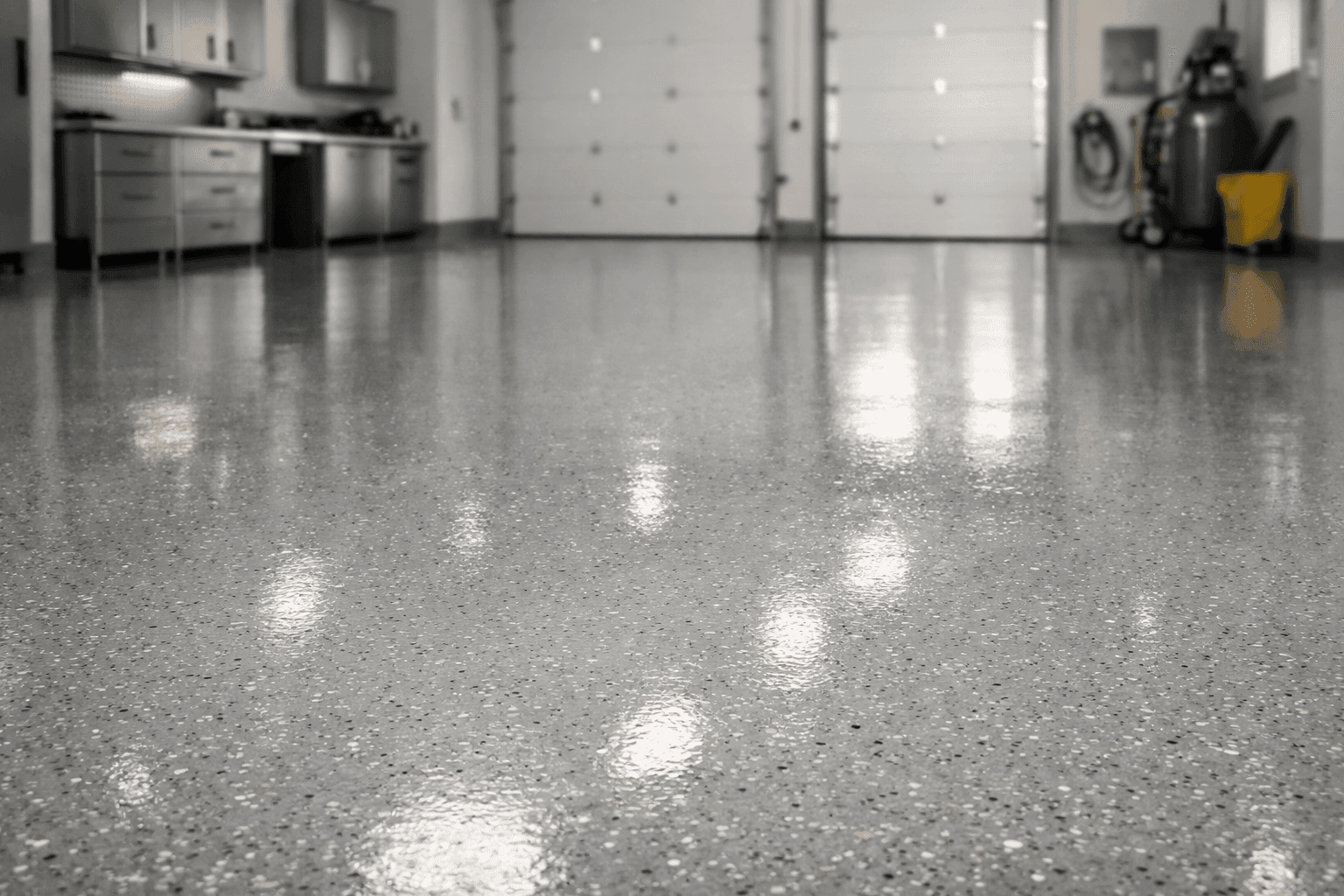
When you picture a floor that can take a beating, what do you see? Maybe it’s a garage that shrugs off oil stains, or a showroom with a glossy shine that never fades. Epoxy flooring turns those visions into reality. But is it the best choice for your space?
At JC Carpet & Flooring, we know the ins and outs—because we’ve seen homeowners and business owners both celebrate and struggle with floor choices. Let’s roll up our sleeves and break down the real story behind epoxy floors, so you can make a confident call.
What Is Epoxy Flooring, Anyway?
Epoxy flooring isn’t just paint. It’s a two-part system: a resin and a hardener. When mixed, they create a tough, plastic-like surface that bonds directly to concrete. Think of it like armor for your floors—sleek, seamless, and built to last.
You’ll find epoxy in auto shops, basements, retail spaces, and more. Its popularity comes from strength, shine, and the way it can transform boring gray concrete into something modern and bright.
How Is Epoxy Flooring Installed?
Installing epoxy flooring is more like baking a perfect cake than slapping on a coat of paint. It demands careful steps:
- Surface Prep: The old floor must be cleaned, repaired, and sometimes ground down for best adhesion. Any dust, oil, or residue? That’s trouble.
- Priming: A primer helps the epoxy grip the concrete.
- Mixing and Application: The resin and hardener are mixed, then spread evenly—quickly, before it starts to set.
- Curing: Patience is key. Most epoxy floors need at least 24 hours to cure, and sometimes several days for heavy use.
Proper installation is crucial. Shortcuts or missed steps can lead to bubbles, peeling, or uneven patches.
The Big Advantages of Epoxy Flooring
Durability That Stands the Test of Time 🛡️
Epoxy floors are like the superhero of floor coatings. They resist scratches, dents, and even dropped tools. Heavy foot traffic? No problem. Rolling carts? Bring it on. That’s why so many garages, warehouses, and schools choose epoxy—it’s built to last.
Chemical and Stain Resistance
Oil spills, cleaning chemicals, even salt from winter boots—epoxy shrugs them off. Unlike bare concrete, it won’t absorb liquids. That means easier cleanups and less staining.
Seamless, Beautiful Finish
Epoxy floors have a mirror-like shine that reflects light and brightens up any space. Decorative flakes or pigments can be added for a custom look, like confetti frozen in time.
Low Maintenance
Mopping up is a breeze. No grout lines or cracks to trap dirt. Most of the time, sweeping and an occasional damp mop keep the floor looking new.
Real-World Drawbacks to Consider
Slipperiness When Wet
Here’s the catch: epoxy can get slick, especially if oil or water is spilled. Adding anti-slip additives helps, but high-traffic areas or rooms prone to spills need extra caution—think of a skating rink after a rainstorm.
Surface Prep Is Critical—and Hard Work
If concrete isn’t properly cleaned and fixed, the epoxy might peel or bubble. Professional prep is key, and DIY shortcuts usually lead to regret.
Not Immune to Damage
Heavy impacts or dragging sharp objects can chip or scratch the surface. While it’s tough, it isn’t indestructible.
Strong Fumes During Installation
When epoxy is applied, strong odors and VOCs (volatile organic compounds) are released. Proper ventilation is a must, and safety gear is non-negotiable.
Best Places to Use Epoxy Flooring
- Garages: Epoxy is the king of garage flooring. Oil drips and tire marks clean right off.
- Basements: Seals out moisture and helps brighten dark spaces.
- Commercial Spaces: Retail, restaurants, showrooms, and warehouses—epoxy handles foot traffic and rolling carts with ease.
- Workshops/Labs: Chemical and stain resistance are a huge plus.
If you’re looking for residential flooring near you that can survive muddy boots, pet paws, and hobby projects, epoxy is always a contender.
Quick Safety Checklist for Epoxy Flooring
- Check local building codes for ventilation and fire safety (see OSHA and EPA guidelines).
- Wear gloves, goggles, and a mask during installation.
- Keep kids and pets out until the floor is fully cured.
- Add slip-resistant additives for high-traffic or wet areas.
DIY vs. Professional Installation
You might be tempted to tackle epoxy as a weekend warrior. But here’s the deal: surface prep is tough, and mixing ratios must be exact. A pro brings the right grinders, vacuums, and experience to avoid costly mistakes.
Hiring a flooring contractor means a smoother, longer-lasting finish. And it’s safer, too.
What Pros Do When They Arrive
- Inspect the concrete for cracks, moisture issues, or uneven spots.
- Test for moisture levels—trapped moisture can ruin an epoxy job.
- Repair cracks or fill in holes.
- Grind or etch the surface for better adhesion.
- Mix and apply the epoxy in sections for an even coat.
Maintenance Tips to Keep Epoxy Looking New
- Sweep or vacuum regularly to avoid grit that can scratch.
- Mop with a gentle cleaner—no harsh acids.
- Wipe up spills quickly to avoid slip hazards.
- Place mats at doors to trap dirt before it hits the floor.
Common Mistakes with Epoxy Floors
- Skipping prep or not letting the floor dry fully.
- Applying epoxy too thick or thin.
- Ignoring temperature and humidity guidelines during installation.
- Walking on the floor before it’s cured.
These errors can lead to peeling, yellowing, or a patchy finish.
How Much Does Epoxy Flooring Cost?
Costs vary. Factors include:
- Floor size
- Number of coats
- Custom colors or flakes
- Amount of prep needed
Epoxy is often less expensive than tile or hardwood, but more than a DIY paint job. For commercial spaces, it’s a smart investment over time due to reduced maintenance.
How Long Does Installation Take?
Most jobs take 2–4 days from start to finish. That includes prep, application, and curing. For large commercial projects, it might take a week or more. Expect to keep the space off-limits while the floor sets.
When Is Epoxy Flooring Not the Best Choice?
- In spaces with constant moisture or leaks—epoxy needs a dry base.
- Over uneven or crumbling concrete.
- Where maximum slip resistance is a must (like pool decks).
In those cases, other options like floor coatings or textured surfaces may be better.
How to Tell If Your Floor Needs Epoxy
- Concrete is stained, cracked, or hard to clean.
- You want a seamless, modern look.
- Easy clean-up is a must.
- You’re tired of replacing floor mats or cleaning grout.
If this sounds like your situation, epoxy could be the answer.
FAQ: Quick Answers for Curious Minds
Q: Will epoxy hide all concrete flaws?
A: Minor flaws, yes. Deep cracks or major unevenness need repair first.
Q: Does epoxy yellow over time?
A: Some UV exposure can cause yellowing. UV-resistant topcoats are available.
Q: Can I install epoxy over tile or wood?
A: No, it bonds best to properly prepped concrete.
Q: Is it safe for homes with kids or pets?
A: Once fully cured, yes. During installation, keep everyone out.
Seasonal Considerations for Epoxy
Temperature matters. Epoxy cures best between 60–85°F with low humidity. Winter installs may need heaters; summer jobs may require dehumidifiers. Your flooring specialists will plan accordingly.
Signs of Trouble: When to Call for Repairs
- Bubbling or peeling
- Dull spots or discoloration
- Cracks reappearing through the coating
Early repairs save money and keep floors safe.
Why Choose JC Carpet & Flooring?
We’ve spent years helping families and businesses get floors that work. From garages to showrooms, we know what it takes for epoxy flooring to shine. If you’re searching for a trusted flooring company, our team is ready to help.
Ready for a floor that works as hard as you do?
Call JC Carpet & Flooring now — or reach us anytime at 855-557-1115 .