Epoxy vs. Polyaspartic Floor Coatings: Which Is Better?
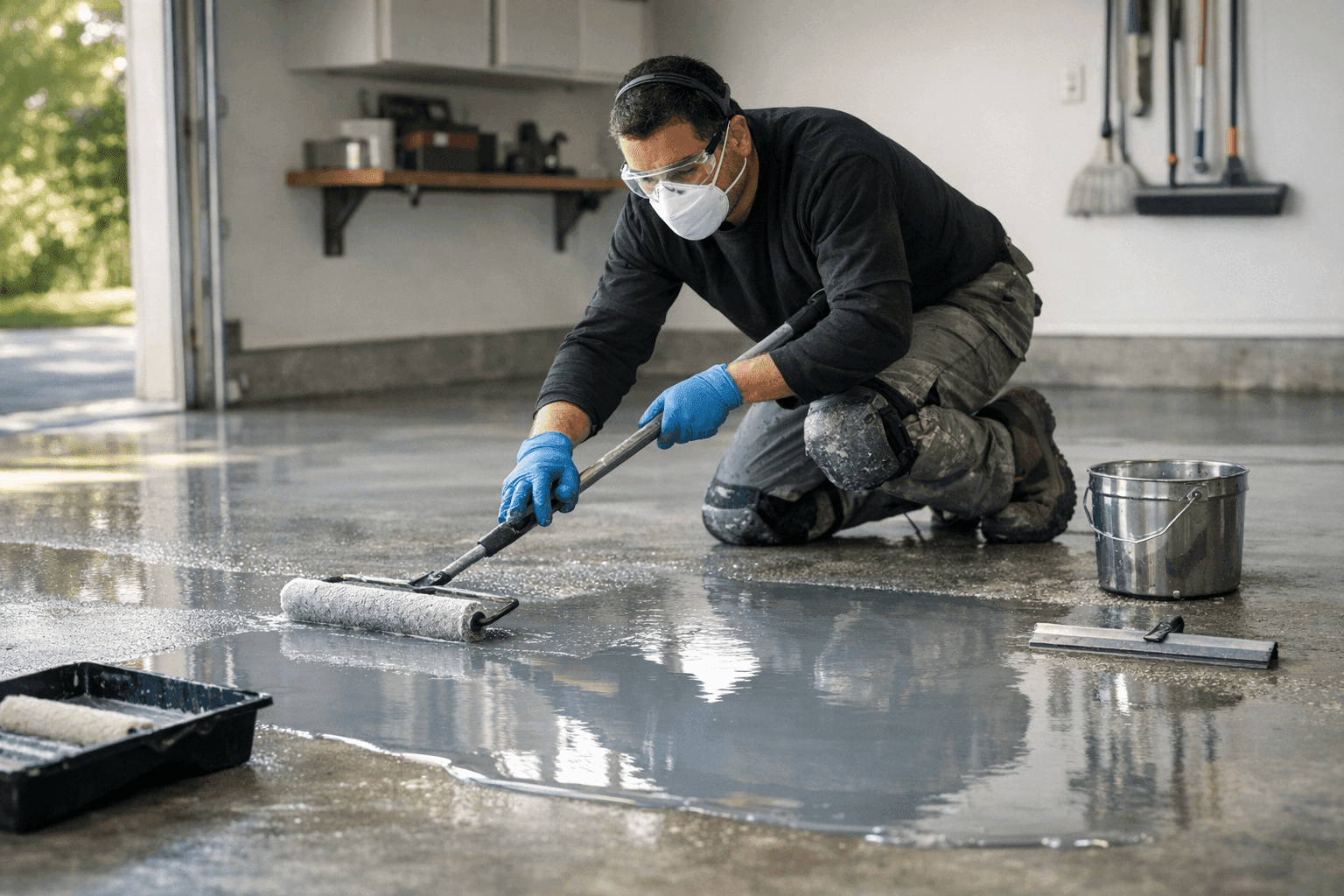
Are you standing in your garage, basement, or shop, looking down at a cracked, stained floor? You’re not alone. Choosing the right floor coating is a big decision—and the difference can be night and day.
At JC Carpet & Flooring, we've seen the impact a well-chosen coating can have: not just on appearance, but on performance, safety, and even resale value. Let's break down the real-life facts between epoxy vs. polyaspartic floor coatings, so you can choose with confidence.
Product Differences: Epoxy and Polyaspartic at a Glance ⚡
Epoxy and polyaspartic are like cousins. Both protect your concrete, but their personalities couldn’t be more different.
- Epoxy Coatings: Made from resin and hardener. They mix to form a tough, glossy shell. Classic for garages, warehouses, and workshops.
- Polyaspartic Coatings: Think of these as the next generation. Fast-setting. UV-resistant. More flexible. They can be applied in wider temperature ranges.
Both options are popular for Garage Flooring, basements, and commercial settings. But which one’s right for your space? Let’s dig deeper.
Performance Factors: Durability, Strength, and Longevity
You want your floor to outlast family gatherings, heavy equipment, and the odd oil spill. Here’s how the two stack up:
- Epoxy: Hard as a rock. Great for resisting scratches, dents, and chemical spills. But it can yellow in sunlight and may chip with sharp impacts.
- Polyaspartic: Tough, yet forgiving. Resists UV light, so colors stay true. More flexible, which means it absorbs impacts better and rarely cracks.
For industrial spaces, both are strong. But if your floor faces the South Carolina sun or wild temperature swings, polyaspartic can keep up without fading or peeling.
Cure Time: How Fast Can You Use Your Floor?
Time is money—especially if you’re running a business. Here’s what to expect:
- Epoxy: Needs time to settle. Full cure can take three to five days. You’ll need to keep traffic off until it’s ready.
- Polyaspartic: Lightning-fast. Walk on it in just a few hours. Heavy items? Usually within a day.
If you need your floor back in service quickly, polyaspartic has a clear edge.
UV Resistance: Sunlight’s Impact on Your Floor
If your space has windows, glass doors, or direct sunlight, this is critical.
- Epoxy: Over time, sunlight can turn it yellow or chalky. It’s best for indoor areas with little natural light.
- Polyaspartic: Designed to fight off UV rays. It stays clear and vibrant, season after season.
For showrooms, sunrooms, or any spot that basks in daylight, polyaspartic will hold its color longer.
Application: What’s Involved for Each Type?
Application is like baking—precision matters.
- Epoxy: Surfaces must be perfectly clean and dry. Humidity can interfere. Multiple coats are common, with hours between each.
- Polyaspartic: More forgiving. Can be installed in cool, damp, or even hot conditions. One or two coats, often applied back-to-back.
Both require skill and safety gear. For best results, consider a floor-coatings professional who knows the ropes.
Cost Comparison: Upfront Price vs. Long-Term Value 💡
Let’s talk numbers. The sticker price isn’t the whole story.
- Epoxy: Generally less expensive up front. Materials are widely available. Labor can add up, since cure times are longer.
- Polyaspartic: Costs more per square foot. But you’ll save on labor with faster installs, and often need fewer coats.
Consider lifespan, too. Polyaspartic’s UV resistance and flexibility may save money on repairs or re-coating.
Maintenance: Keeping Your Coated Floor Looking Sharp
Both surfaces are low-maintenance, but some differences matter:
- Epoxy: Clean spills quickly to prevent staining. Avoid harsh abrasives. Over time, you may notice dull spots or minor chips.
- Polyaspartic: Resists staining and abrasion better. Sweeping and occasional mopping are usually enough. Rarely needs touch-ups.
For busy families or high-traffic businesses, polyaspartic’s resilience pays off.
Safety and Compliance: What You Need to Know
Floor coatings aren’t just about looks. Safety counts.
- Epoxy: Can be slippery when wet. Additives like sand or chips boost traction. Always follow manufacturer guidelines for ventilation—epoxy fumes can be strong.
- Polyaspartic: Naturally less slippery, but still benefits from anti-slip additives. Lower odor, and many formulas are VOC-compliant, making them a greener choice for Residential Flooring.
Always check local building codes. The International Building Code (IBC) and OSHA offer clear requirements for commercial and garage flooring safety.
DIY vs. Professional Installation: Should You Tackle It Alone?
YouTube makes it look easy. In reality, floor coating is more like performing surgery on your floor.
- DIY: Budget-friendly, but mistakes can be costly. Miss a step, and peeling or bubbling may follow.
- Professional: Pros use commercial-grade materials, prep the floor with industrial equipment, and guarantee even coverage. Your floor gets the best start—and finish—possible.
For large spaces, high-traffic zones, or anywhere safety matters, calling a flooring company makes sense.
Quick Safety Checklist: Before You Start
- Ventilate your space—open windows and doors.
- Wear gloves, goggles, and proper footwear.
- Remove or protect all valuables in the coating area.
- Follow all product label instructions to the letter.
- Keep kids and pets far from the work zone.
Safety first. Always.
Signs of Trouble: When to Repair or Recoat
Watch for:
- Peeling or bubbling
- Discoloration or yellowing
- Slippery spots, even when dry
- Cracks, chips, or gouges
Catching small issues early can save time and money. If in doubt, schedule a quick floor inspection.
Seasonal Considerations: Will the Weather Impact Your Floor?
- Epoxy: Sensitive to moisture and temperature. Best applied in mild, dry weather.
- Polyaspartic: More flexible about the climate. Can handle cold and humid days without a hitch.
If you’re racing the clock before a big event or move-in, polyaspartic offers more scheduling freedom.
Common Mistakes: What To Avoid
- Skipping surface prep—dirt and grease will ruin the bond.
- Rushing between coats—patience pays off.
- Ignoring product instructions—no two brands are exactly alike.
- Using the wrong anti-slip additive for your needs.
A little care goes a long way.
Timeline & Disruption: How Much Will It Impact Your Life?
- Epoxy: Set aside several days for curing. Plan around it if it’s your main entry or workspace.
- Polyaspartic: Back in action the same or next day. Less downtime for busy homes and businesses.
Clear communication with your flooring contractor ensures everything goes smoothly.
Real-World Tips: Getting the Best from Your Floor Coating
- Ask about color flakes and custom finishes—they add personality and hide dirt.
- Schedule regular cleanings, especially for commercial spaces.
- Consider a moisture barrier if your concrete is prone to dampness.
- For added comfort, radiant floor heating can be installed under coatings.
Your floor is more than a surface—it’s the foundation of your space.
Final Thoughts: Which Floor Coating Should You Choose?
Epoxy and polyaspartic both protect and beautify. Your choice depends on budget, timeline, sunlight, and how you’ll use the space. If you need speed and UV stability, polyaspartic is hard to beat. For budget projects or classic looks, epoxy still shines.
Not sure which is right? JC Carpet & Flooring is here to help, from consultation to finishing touches.
Call JC Carpet & Flooring now — or reach us anytime at 855-557-1115 .