How to Extend the Life of Your Hardwood Floors
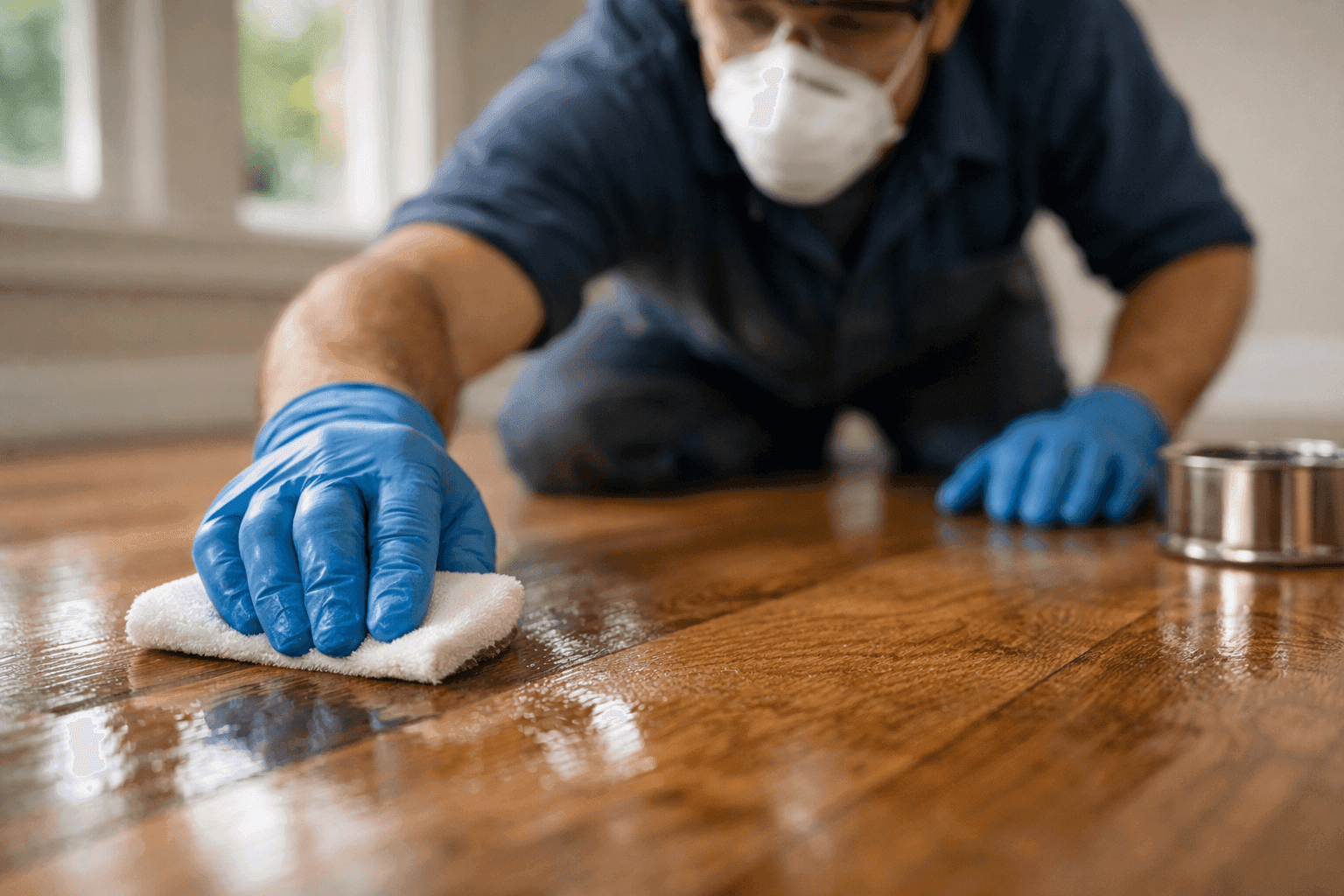
Hardwood floors are more than just a surface—they’re the foundation of your home’s character. Each plank tells a story, but heavy traffic, pet nails, and spilled coffee can chip away at their beauty. The good news? With the right habits and a little know-how, you can help your hardwood floors last for generations.
At JC Carpet & Flooring, we’ve seen the difference care makes. Whether you’re new to hardwood or looking to refresh aging boards, these tips offer a path to lasting beauty and durability.
Why Hardwood Floors Wear Down
Hardwood is tough, but not invincible. Over time, the daily rhythm of footsteps, dragging furniture, and even sunlight can wear grooves into the finish. Think of your floor as a favorite book: each scuff is a dog-eared page, a sign of life well lived, but too many and the story gets lost.
Common culprits behind hardwood wear:
- Grit tracked in from outside (like sandpaper underfoot)
- Pet claws and children’s toys
- Spilled liquids that soak into seams
- Shifting humidity causing boards to expand and contract
- Heavy furniture legs without protective pads
Each factor chips away at that glossy finish and eventually the wood beneath. The National Wood Flooring Association highlights these as leading reasons for premature floor aging.
Quick Safety Checklist Before You Begin 🛑
Before diving into cleaning or maintenance:
- Check for loose boards or exposed nails—fix these first.
- Always use products labeled safe for hardwood.
- Avoid soaking floors; water is hardwood’s enemy.
- If sanding or refinishing, wear appropriate masks and ventilate the area.
Not sure what’s safe? Our Flooring Maintenance specialists are happy to offer guidance.
Daily and Seasonal Care
A little attention each day keeps wear at bay.
Daily:
- Sweep or dust with a microfiber mop to catch grit and dust.
- Wipe spills immediately—don’t let moisture linger.
- Remove shoes at the door for high-traffic areas.
Weekly:
- Vacuum with a soft-brush attachment (never a beater bar).
- Spot-clean with a hardwood-approved cleaner.
Seasonal:
- Use a humidifier in winter to prevent shrinking and gapping.
- In summer, run air conditioning or a dehumidifier to control swelling.
- Rotate area rugs and furniture to avoid uneven fading.
Prevention: The Best Long-Term Strategy
Simple steps can double the life of your floors:
- Place mats at every entrance to catch grit.
- Felt pads under furniture legs prevent deep scratches.
- Keep pet nails trimmed.
- Limit sunlight exposure with blinds or curtains, especially midday.
It’s like sunscreen for your floors—an ounce of prevention is worth a pound of refinishing.
Cleaning Techniques for Maximum Life
Not all cleaning is created equal. Skip harsh chemicals and steam mops (they may void your warranty). Instead:
- Use cleaners formulated for hardwood—diluted vinegar or soap can dull finishes.
- Mop lightly damp, never wet.
- For sticky spots, use a soft cloth and gentle pressure.
The American Cleaning Institute recommends microfiber over cotton mops for better dust capture and less abrasion.
Humidity and Climate Control
Wood breathes. When humidity swings, your floor expands and contracts. Over time, this movement causes gaps, cupping, or even warping.
Aim for:
- Indoor humidity between 30–50%
- Temperatures between 60–80°F (15–27°C)
Use a digital hygrometer to monitor indoor air. If you notice creaking or gaps, adjust your climate control. In new homes or after major renovations, give hardwood time to acclimate before installation.
When to Call a Professional
Some jobs are best left to those with the right tools and training. Call in a flooring company if you notice:
- Deep scratches or gouges
- Warped or buckled boards
- Signs of mold or water damage
- Persistent squeaks or loose planks
A pro can assess whether you need spot repair, sanding, or a full Floor Refinishing. Trying to fix major issues yourself can sometimes make them worse—or even unsafe.
Refinishing for Longevity
Even with perfect care, floors lose their luster over time. Refinishing is like giving your floor a fresh start.
What’s involved?
- Sanding away the old finish and minor surface scratches
- Repairing or replacing damaged boards
- Applying a new protective finish (oil or water-based)
Depending on foot traffic, most floors need refinishing every 7–10 years. High-traffic homes or businesses might need it sooner.
Investing in refinishing is far less expensive than full replacement. The National Wood Flooring Association sets clear standards for sanding and finishing—always follow their guidelines for safety and results.
DIY vs. Calling a Pro: What’s Right for You?
DIY cleaning and minor touch-ups are great for budget and satisfaction. But sanding or refinishing? That’s a job for the pros. Mistakes with heavy machines can mean uneven floors or permanent damage. If you’re unsure, start with a consultation. Many issues can be solved faster (and safer) with experienced hands.
Flooring Maintenance Myths (and What Actually Works)
Let’s clear up some common confusion:
- Myth: Vinegar is a safe, natural cleaner for all hardwood.
- Truth: Regular use can dull the finish.
- Myth: More water cleans better.
- Truth: Water warps wood.
- Myth: All scratches need sanding.
- Truth: Many small scuffs can be buffed out or disguised with a touch-up kit.
When in doubt, check manufacturer guidelines or ask a professional.
Cost Factors: Protecting Your Investment
Hardwood flooring is an investment—one that pays off in beauty and value. The cost of regular cleaning and periodic refinishing pales in comparison to full replacement. Regular maintenance schedules, like those recommended by the National Wood Flooring Association, can help you plan and budget for what’s next.
Timeline & Disruption: What to Expect
Most daily care is quick—a few minutes a day. Deep cleaning or refinishing, however, takes time:
- Deep cleaning: 1–2 hours per room
- Refinishing: 2–5 days, including drying time
Plan ahead, especially if you have pets, kids, or a busy business. Professional crews work efficiently, but floors need time to cure after new finish is applied.
Signs Your Hardwood Needs Help
Catch early warning signs to avoid bigger repairs:
- Dull, cloudy finish that won’t shine with cleaning
- Splintering or raised edges
- Persistent squeaks or movement underfoot
- Discoloration or dark spots (could signal water damage)
If you notice any of these, a Flooring Maintenance inspection is the best next step.
Mistakes to Avoid 🚫
- Using wax or oil soaps on polyurethane-finished floors
- Dragging heavy furniture without pads
- Ignoring spills or pet accidents
- Letting humidity swing wildly
- Skipping regular cleaning
Each misstep chips away at your investment. Take small steps, and your floors will thank you.
FAQ: Hardwood Floor Longevity
Q: How often should I clean my hardwood floors?
A: Sweep or dust daily, vacuum weekly, and deep clean seasonally.
Q: Is refinishing messy?
A: Yes, sanding produces dust, but professional crews use dust containment systems.
Q: Can all hardwood be refinished?
A: Most solid hardwood can; engineered wood depends on the thickness of the top layer.
Q: What’s the biggest threat to hardwood?
A: Water—whether from spills, leaks, or too-wet cleaning.
Need Help? Local Support for Residential Flooring Near You
Whether you want advice, a quick fix, or a full floor transformation, JC Carpet & Flooring is here to help. Our team handles everything—from routine cleaning to refinishing—with care and precision. If you’re looking for a reliable flooring company for your next project, don’t hesitate to reach out.
Call JC Carpet & Flooring now — or reach us anytime at 855-557-1115 .