Floor Coatings Explained: Protect and Enhance Any Surface
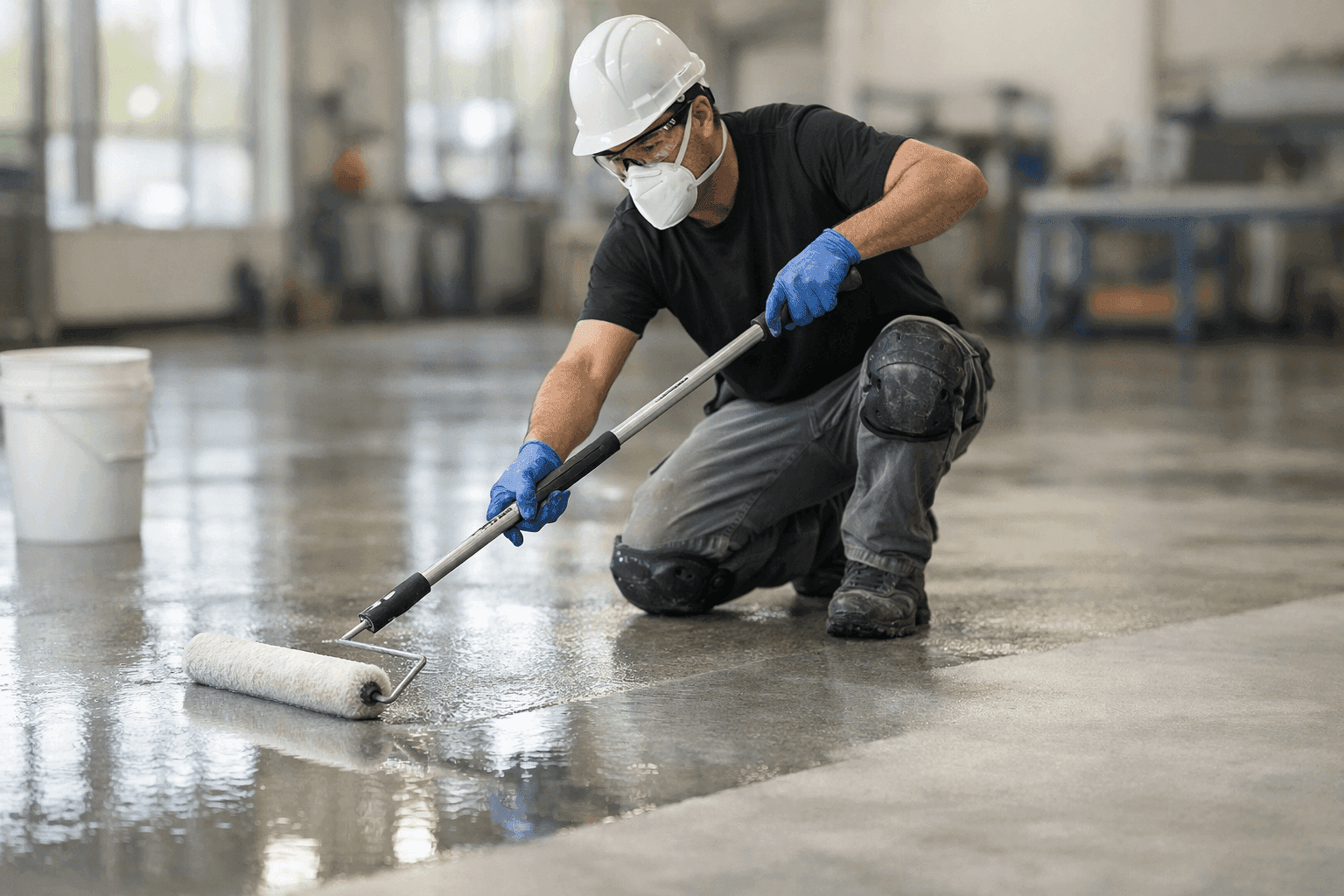
Have you ever watched your once-gorgeous floor slowly lose its shine? Maybe you’ve scrubbed, waxed, or even thrown a rug over the worst spots—anything to delay facing those stubborn stains, cracks, or that dull, lifeless look. You’re not alone. Floors bear the brunt of daily life, from muddy boots to coffee spills and rolling office chairs.
At JC Carpet & Flooring, we know every surface tells a story. Our mission? To help you protect that story—and make your floors look and last their best. If you’re curious about how floor coatings can step up your game, you’re in the right place.
What Are Floor Coatings? 🧴
Floor coatings are a protective layer—think of them as armor for your floors. Applied as liquids or semi-liquids, they cure into a tough shield that stands guard against scratches, stains, chemicals, and even moisture. It’s like a raincoat for your floor, only much harder to wear out.
You’ll find floor coatings in homes, garages, offices, restaurants, and industrial spaces. Whether you run a busy household or manage a commercial property, coatings help extend the lifetime of your investment.
Types of Coatings and Uses
Not all coatings are created equal. Here’s a quick tour through the most common types:
Epoxy Coatings
- Where they shine: Garages, basements, warehouses, commercial kitchens
- Why choose them: Epoxy is durable, chemical-resistant, and can be customized with colors or decorative flakes. If you want a seamless, high-gloss look that shrugs off oil stains and heavy traffic, epoxy is a top contender.
Polyurethane Coatings
- Where they shine: Hardwood floors, gyms, retail spaces
- Why choose them: Polyurethane is flexible and resistant to abrasion and UV light. It’s the go-to for places that need to handle foot traffic, sunlight, and the occasional dropped dumbbell.
Polyaspartic Coatings
- Where they shine: Garage floors, commercial entryways, factories
- Why choose them: Polyaspartic is the marathon runner of floor coatings. It cures rapidly—even in cold conditions—and resists yellowing, making it a favorite for businesses that can’t afford long downtimes.
Each type brings its own strengths. The right pick depends on your needs, how you use your space, and your maintenance goals.
Benefits of Floor Coatings
What’s in it for you? A lot, as it turns out. Coatings deliver:
- Protection: Shields against scratches, stains, spills, and impact.
- Longevity: Reduces wear and tear, saving you on future repairs.
- Style: Choose from a range of finishes—glossy, matte, colored, or even sparkly.
- Easy Cleaning: No more wrestling with stains that won’t budge.
- Safety: Some coatings offer slip resistance, helping prevent accidents.
- Moisture Barrier: Keeps out water, which is especially important in basements and garages.
A properly applied coating is like insurance for your floor—without the monthly bill.
Choosing the Right Coating
Picking a floor coating isn’t about grabbing the first product off the shelf. It’s about matching the material to your lifestyle and needs.
- Do you need chemical resistance? Epoxy’s your friend.
- Worried about UV fading or yellowing? Polyurethane or polyaspartic may be better.
- Need a fast turnaround? Polyaspartic can often be ready for foot traffic in hours, not days.
Think about what your floor goes through. A high-traffic retail shop isn’t the same as a quiet guest bedroom.
Problem Scenarios: When Your Floor Needs Help
If your floor is starting to look like a patchwork quilt—cracks, stains, or a tired finish—it’s time to consider a coating. Maybe you’ve spotted moisture damage in the basement, or your garage floor is turning into a canvas of oil spots and tire marks.
Coatings aren’t just for looks. They’re a solution to real, everyday problems.
Quick Safety Checklist Before Coating
Safety always comes first. Here’s what professionals check before applying any coating:
- Is the floor clean and free of debris?
- Is there any moisture coming up from below? (A calcium chloride test, as recommended by ASTM International, can help.)
- Are there cracks, pits, or uneven spots that need repair?
- Is the space ventilated for safe application?
Proper prep is half the battle—inadequate prep leads to coatings that peel, bubble, or just don’t stick.
DIY vs. Call a Pro
Can you tackle coatings yourself? Sometimes. For a small, low-traffic area and a forgiving product, a skilled DIYer can give it a try. But for most homes and almost all commercial sites, professional installation makes a world of difference.
Professionals:
- Assess your subfloor—checking for hidden issues
- Ensure industrial-grade surface prep (shot blasting or diamond grinding, not just sweeping!)
- Apply coatings evenly and safely
- Know how to handle ventilation and cure times
Slapping on a coating without prep is like painting over peeling wallpaper. The results just won’t last.
What Pros Do On Arrival
When JC Carpet & Flooring arrives, expect a thorough inspection. We’ll check:
- Surface moisture (using professional meters)
- Subfloor condition
- Levelness and cracks
- Existing coatings or adhesives that might interfere
You’ll get clear, honest advice on the best path forward—whether you need Epoxy Flooring, moisture barrier installation, or surface repair first.
Prevention & Maintenance Tips
Want your coating to last? A little TLC goes a long way:
- Sweep or dust mop regularly
- Clean spills promptly
- Use gentle, pH-neutral cleaners (no harsh chemicals!)
- Place mats at entrances
- Avoid dragging heavy furniture
Well-maintained coatings keep floors looking new for years.
Costs & Time Factors
Prices vary depending on size, coating type, and prep needed. Epoxy for a two-car garage might run a few thousand dollars, while a commercial kitchen or warehouse will need a custom quote. Polyaspartic coatings tend to cost more up front but save on downtime.
Application time? Epoxy can take a couple of days to cure fully. Polyaspartic can be back in business the next day. Always ask your installer for a realistic timeline.
When It’s an Emergency
Flooding, chemical spills, deep cracks—these are urgent signs your floors need attention. Coatings can’t fix structural issues, but they can help prevent small problems from turning into major headaches.
If you’re in doubt, get a professional floor inspection before the problem spreads.
FAQ: Floor Coatings
Q: Can coatings go over old floors?
A: Often, yes—but the surface must be sound, clean, and properly prepped.
Q: Are coatings slippery?
A: Some are, but additives can boost traction—especially important in garages and commercial kitchens.
Q: How long do coatings last?
A: With good prep and maintenance, epoxy coatings can last 10+ years; polyaspartic even longer in many cases.
Q: Can coatings be eco-friendly?
A: Yes! Low-VOC options and water-based products are available. Ask about eco-friendly flooring options.
Seasonal Considerations
Temperature and humidity affect how coatings cure. Winter in a cold garage? Polyaspartic works well. Summer humidity? Longer cure times for epoxy and polyurethane.
Always discuss timing with your installer to avoid surprises.
Common Mistakes to Avoid
- Rushing prep work
- Skipping moisture tests
- Using the wrong product for your needs
- Ignoring manufacturer instructions
A little patience up front pays off in the long run.
Signs of Trouble After Application
Watch for:
- Peeling or bubbling
- Discoloration
- Uneven sheen
- Persistent odors
If you spot any of these, reach out to your flooring contractor for advice.
Timeline & Disruption: What to Expect
Most residential projects—like garages or basements—wrap up in two to three days. Commercial or high-traffic spaces might stretch out longer, especially if multiple coats or repairs are needed.
Plan for some downtime and keep pets and kids clear until the floor is fully cured. Your installer will always provide a clear schedule.
Materials & Equipment: What Goes Into a Great Finish
A professional-grade coating job involves:
- Industrial grinders or shot blasters for prep
- Commercial vacuums for dust control
- High-quality, low-VOC coatings
- Safety gear and ventilation systems
It’s a lot more than a brush and a bucket.
Floor Coatings and Local Codes
Always check with your local building department. Some areas require non-slip coatings in commercial kitchens or public entryways. The Occupational Safety and Health Administration (OSHA) and your municipal building code are good resources for safety guidelines.
Your Next Step: Get Floors That Last
A floor coating is more than a facelift—it’s a shield, a style statement, and a smart investment. If you’re ready to bring new life and protection to your home, garage, or business, JC Carpet & Flooring is here to help.
Curious about Garage Flooring or need reliable flooring services in your area? Our friendly team can walk you through options, answer your questions, and deliver results built to last.
Call JC Carpet & Flooring now — or reach us anytime at 855-557-1115 .