Floor Inspections: What to Expect and Why They Matter
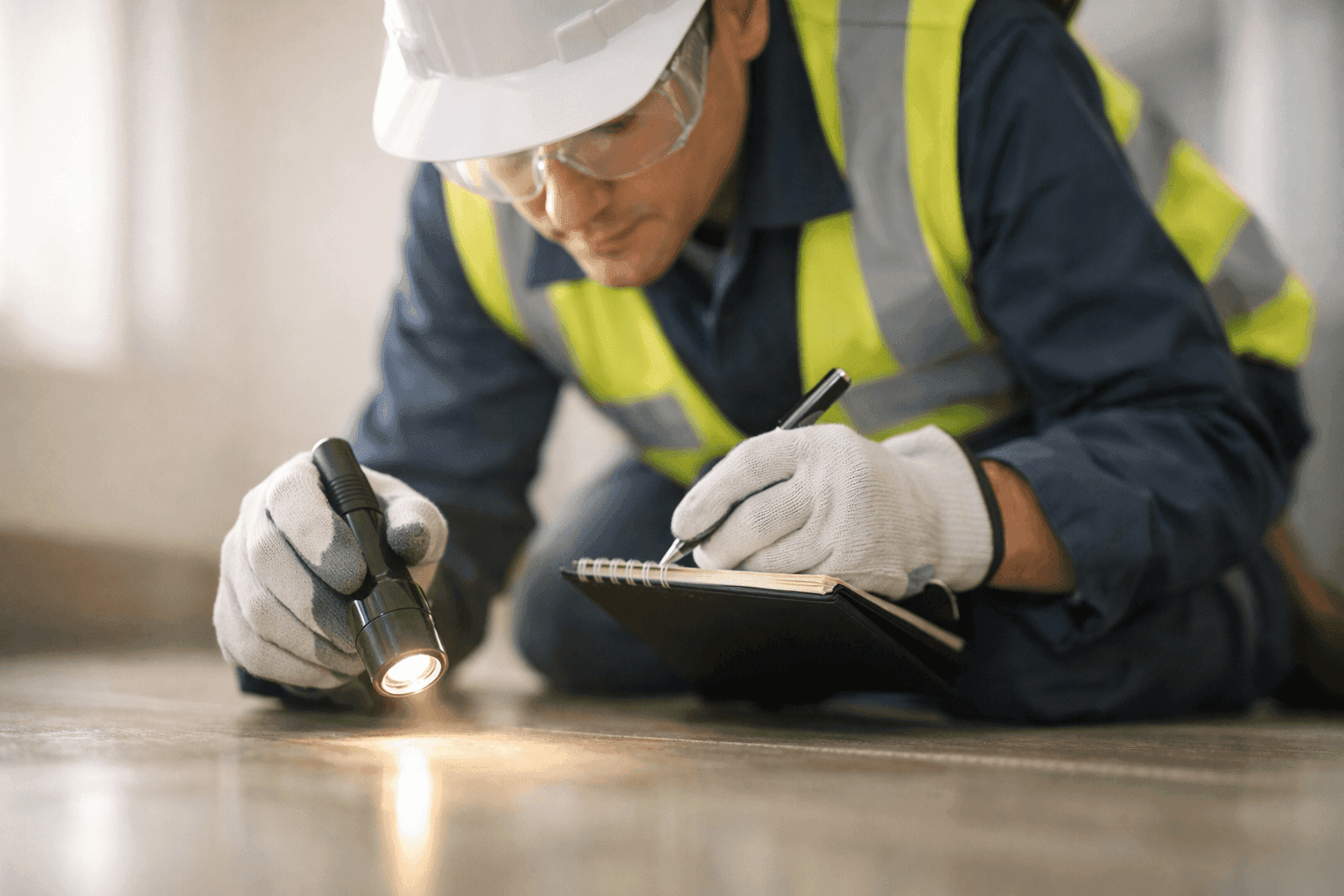
Have you ever tripped over a loose board or noticed a mysterious squeak with every step? Floors, like the foundation of a house, quietly carry the weight of everyday life. When something goes wrong underfoot, it’s not just annoying—it can be dangerous and expensive.
At JC Carpet & Flooring, we understand that small flooring issues can turn into big headaches if ignored. That’s why periodic floor inspections aren’t just for peace of mind—they’re a smart investment for every home and business.
Why Floor Inspections Matter 🧐
Many think of floor problems as surface-level. In reality, issues can run deep—beneath the boards, tiles, or carpet. Regular floor inspections are the difference between a minor fix and an emergency repair that disrupts daily life or business operations. Think of it like going to the dentist for a check-up: catch the cavity early, avoid the root canal.
Inspections keep your flooring safe, compliant with safety codes (like those set by the National Floor Safety Institute), and looking its best. For landlords and facility managers, routine checks can also help meet insurance and liability requirements.
What Inspectors Check (And Why It Matters)
Curious what a professional looks for? It’s more than just a quick glance. Here’s what a thorough flooring inspection covers:
- Surface condition: Cracks, chips, gouges, stains, or warping
- Subfloor health: Signs of movement, rot, or water intrusion under the surface
- Moisture levels: Using meters to detect hidden dampness that can cause mold or damage
- Fasteners and adhesives: Nails, screws, and glue integrity—loose boards or tiles are a tripping hazard
- Transitions and trim: Edges and thresholds where trip risks lurk
- Expansion gaps: Especially for hardwood and laminate—prevents buckling
- Safety hazards: Uneven surfaces, loose sections, slick spots
Each of these steps helps pinpoint both obvious and hidden issues. The goal: keep you safe and your flooring investment protected.
The Quick Safety Checklist
Before your inspector arrives, do a self-check:
- Are there any soft spots or “give” when you walk?
- Notice any smells—musty or moldy?
- Unevenness near doors or windows?
- Are transitions between rooms smooth and secure?
- Any areas that are unusually noisy or bouncy?
If you spot any of these, mention them when booking your inspection. It helps your flooring specialist zero in fast.
DIY Floor Checks vs. Hiring a Pro
A flashlight and a keen eye can catch some issues, but professional inspectors have tools and experience you can’t get from a YouTube video. Moisture meters, thermal cameras, and years of pattern recognition make a big difference.
DIY might spot visible problems, but hidden trouble (like subfloor rot or concrete cracks) often escapes notice. Professional floor inspectors from JC Carpet & Flooring know how to spot issues that could cost thousands if left unchecked.
What Happens When Pros Arrive
Expect thoroughness. We’ll start with a walkthrough, listening for your concerns. Next, we check every area—entryways, high-traffic zones, corners, and hidden spots.
- Moisture readings are taken in suspect areas
- Subfloor access panels may be opened
- Fasteners and seams are checked
- We’ll test for flex or bounce in flooring, which can signal issues below
- Safety and ADA compliance are reviewed if needed
You’ll get a clear, jargon-free explanation of what we find, with photos if needed. No guesswork, just facts.
Common Issues Found During Floor Inspections
What do we see most often? Here’s a peek:
- Moisture damage: Water is a floor’s silent enemy. Even small leaks can rot subfloors or cause mold.
- Loose or damaged boards/tiles: These are trip risks and can lead to more damage.
- Worn or missing grout/sealant: For tile or stone, this invites water in and weakens the floor.
- Cupping, buckling, or warping: Often a sign of moisture imbalance or poor installation.
- Uneven surfaces: Settling, improper installation, or subfloor failure can be the culprit.
Catching these early can save you from major repairs—or even a total floor replacement.
Signs It’s Time for a Floor Inspection
Not sure if you need a pro? Look for:
- Persistent squeaks or creaks
- Areas that feel “spongy” or soft
- Cracked tile or grout
- Staining or discoloration
- Unexpected odors (musty, sour, or chemical)
- New drafts or cold spots (especially with radiant floor heating)
If your building is older or has had recent water damage, don’t wait.
Prevention and Maintenance: The Value of Regular Checks
Regular inspections are like oil changes for your car—they keep things running smoothly and prevent breakdowns. With scheduled reviews, small repairs can be handled before they balloon into big, costly projects.
For example, flooring maintenance after a good inspection extends the life of your flooring and keeps your space safe.
Flooring Inspections for Homes vs. Businesses
Residential and commercial spaces face different flooring challenges. Homeowners might worry about pets, kids, or spills. Businesses deal with heavier traffic, equipment, and legal safety standards. Either way, the inspection steps are similar, but the solutions may differ.
For commercial spaces, regular documentation can also help with insurance claims or liability concerns.
Timeline and Disruption: What to Expect
A standard floor inspection for an average home takes less than two hours. Commercial spaces may take longer, especially if the area is large or there are multiple flooring types.
We work efficiently and with minimal disruption. Most inspections don’t require moving all your furniture—just access to the areas in question.
Emergency Inspections: When Waiting Isn’t an Option ⚠️
If you notice flooding, major cracks, or sudden buckling, don’t delay. Some situations—like a burst pipe or storm damage—require immediate attention to prevent injury and structural damage.
In these cases, call JC Carpet & Flooring right away. Fast action can make the difference between a simple repair and a costly overhaul.
Common Mistakes to Avoid
- Putting off inspections until visible damage appears
- Ignoring small squeaks or soft spots
- Attempting complex repairs without the right tools or training
- Forgetting to check under area rugs or furniture
Catch problems early, and you’ll avoid these pitfalls.
Seasonal Considerations for Floor Inspections
Changing seasons bring new challenges. Spring thaw? Watch for moisture intrusion. Summer humidity can cause wood to swell. Winter salt and grit can scratch or stain surfaces. Periodic inspections are especially helpful before and after major weather changes.
Materials and Equipment We Use
Our inspectors use:
- Moisture meters (pin and pinless)
- Infrared cameras
- Tape measures and straight edges for level checks
- Flashlights and mirrors for hard-to-see spots
- Non-invasive acoustic tools to find hollow or weak areas
These tools help uncover what the naked eye can’t see, ensuring your flooring is solid from the surface down.
FAQ: Floor Inspection Questions Answered
How often should I schedule a floor inspection?
For most homes and businesses, once every 12–24 months is wise—more often in high-traffic or moisture-prone areas.
Is it worth it for new flooring?
Absolutely. Early inspections after installation catch settling issues or hidden defects before they become major headaches.
Can I inspect my floor myself?
You can spot obvious problems, but a pro brings tools and experience—like a mechanic spotting engine trouble before it leaves you stranded.
What’s the difference between inspection and maintenance?
Inspection finds problems; floor repair and maintenance fix them.
The Bottom Line: Peace of Mind Underfoot
Your floors are the foundation of comfort, safety, and style in your space. Regular inspections help you avoid surprises and keep everything solid beneath your feet.
If you’re looking for a reliable flooring company, JC Carpet & Flooring is proud to serve the area. For comprehensive floor inspections and other flooring services in Jeffersonville, we’re here to help.
Call JC Carpet & Flooring now — or reach us anytime at 855-557-1115 .