Floor Leveling Explained: Why It Matters Before New Flooring
Every great floor starts with an invisible foundation. If you've ever stepped onto new flooring and felt a sag, a dip, or a creak, you know something's not right. It's more than a minor inconvenience—it's a warning sign.
At JC Carpet & Flooring, we see it all the time: beautiful new floors ruined by what lurks beneath. Here's the truth—floor leveling isn't just technical prep. It's the single most overlooked step that could make or break your investment in Residential Flooring near you.
What Is Floor Leveling? 🛠
Think of floor leveling as the unsung hero of flooring. It's the process of correcting high spots, low spots, and dips in your subfloor so that your new surface—vinyl, hardwood, tile, or carpet—lays flat and stays strong for years.
It's not always about making a floor perfectly flat. Sometimes, the goal is to make it "within tolerance" for your chosen material. The standards often come from sources like the National Wood Flooring Association (NWFA) or the Tile Council of North America (TCNA), which set the acceptable limits for variation.
If you ignore unevenness, you invite trouble: gaps, bouncing, loose planks, cracked tiles, and even premature wear.
Signs Your Floor Is Uneven
How do you know if your floor needs attention before a fresh install? Here are some classic warning signs:
- Doors scraping or not closing properly
- Furniture wobbling, even on "level" legs
- Visible dips or humps in the floor
- Cracks appearing in tiles or grout lines
- Carpet bunching or rippling
- Floors that feel springy, bouncy, or hollow
Try this quick test: Place a marble or golf ball on your floor. If it rolls in one direction, you've got a slope.
Common Causes: Why Floors Get Uneven
Floors don't just go wonky overnight. Here are a few usual suspects:
- Settling of the building over time
- Water damage—especially in basements or bathrooms
- Subfloor materials shrinking or warping
- Poor original construction or old repairs
- Termite or pest damage, especially in older homes
Regular inspections and maintenance can help you catch these issues early. That's where a Flooring Consultation can make all the difference.
Leveling Methods: How Pros Tackle the Job 🧰
No two floors are the same, so professionals like JC Carpet & Flooring use different strategies depending on the problem and the flooring you want to install.
For Concrete Subfloors
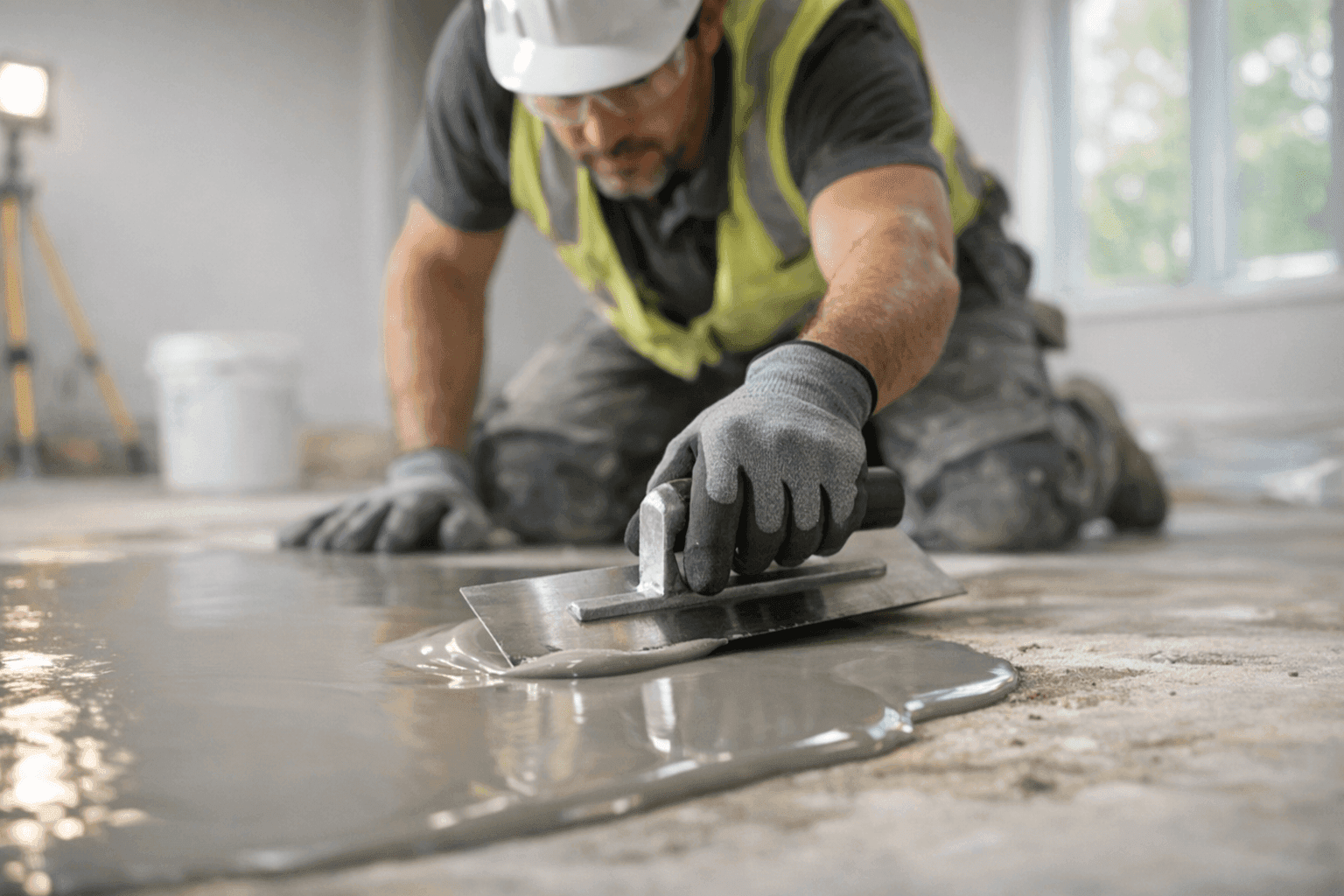
- Self-leveling compounds: These pourable materials flow like pancake batter, hardening into a smooth surface.
- Grinding high spots: Specialized grinders shave down humps, often required for epoxy or luxury vinyl installations.
- Crack repairs: Fillers and sealants patch up fissures before they become bigger problems.
For Wood Subfloors
- Shims and underlayments: Thin wedges or layers even out minor dips.
- Sanding: Reduces high spots, especially before hardwood or laminate installation.
- Subfloor replacement: In severe cases, sections of the subfloor may need to be rebuilt.
A professional will always start with a thorough assessment, sometimes including moisture testing and structural checks.
Safety First: Quick Checklist Before You Start
Before any leveling work begins:
- Check for active water leaks or moisture. Address these before leveling.
- Test for hazardous materials in older homes (like asbestos in old flooring).
- Ensure the area is clear of furniture and debris.
- Wear safety goggles and masks when sanding or grinding.
Always follow Occupational Safety and Health Administration (OSHA) guidelines or local building codes for your safety and the safety of all workers.
DIY vs. Call a Pro
Some minor leveling can be a DIY project—think small dips in a bathroom. But be careful. Many leveling products set fast, and mistakes are tough to fix.
When should you call in a professional?
- Large or multi-room areas
- Structural issues or major dips
- When moisture or mold is present
- If you're installing premium floors like hardwood, luxury vinyl, or tile
A pro brings experience, the right equipment, and knowledge of installation tolerances. It's the difference between a floor that lasts and one that fails fast.
What Pros Do on Arrival
Here's what to expect when JC Carpet & Flooring visits for a Floor Leveling job:
- Inspection: We check the subfloor, measure for high and low spots, and look for moisture problems.
- Assessment: We recommend the right repair method—whether it's a simple patch or a full subfloor rebuild.
- Moisture Testing: Essential before installing wood, LVP, or laminate.
- Prep Work: We clean, remove debris, and make sure your home or building is ready.
- Leveling: Use of self-leveling compounds, grinding, or installation of new underlayment.
- Final Check: Ensure the surface meets code and manufacturer specs before flooring goes down.
Cost & Time Factors
Floor leveling costs depend on:
- Size of the area
- Severity of the unevenness
- Subfloor material (concrete vs. wood)
- Labor and prep required
Most jobs take a few hours to a couple of days. Remember, a well-leveled floor saves money over time by preventing repairs and protecting your new floors.
When It's an Emergency
Uneven floors aren't always just cosmetic. If you notice sudden sagging, cracks wider than 1/8 inch, or stuck doors, it could mean a structural issue or water damage. In these cases, act fast—delaying repairs can lead to expensive fixes or even safety hazards.
Seasonal Considerations
Moisture and temperature swings can cause floors to swell or shrink. That's why pros often recommend moisture barrier installation, especially in basements, garages, or Florida homes.
If you're planning a flooring project in humid or rainy months, schedule your Flooring Consultation early. This helps avoid delays and ensures a smooth, lasting installation.
Common Mistakes to Avoid 🚩
- Skipping the leveling step to save time or money
- Using the wrong product for your subfloor type
- Ignoring moisture problems
- Not letting leveling compounds cure fully before installation
- Overlooking building code requirements
These shortcuts might seem minor now, but they can lead to major repairs down the road.
Benefits of Proper Floor Prep
Why invest in floor leveling?
- Longer-lasting floors: Your new investment will stand up to traffic and wear.
- Better comfort: No more wobbly furniture or tripping hazards.
- Warranty protection: Most flooring warranties require proper prep.
- Peace of mind: One less thing to worry about.
It’s like building on bedrock instead of sand. The right prep means your floors look better, feel better, and last longer—guaranteed by the standards, not a marketing promise.
Prevention & Maintenance Tips
- Schedule regular inspections, especially if you notice new squeaks or dips.
- Address moisture issues immediately.
- Don’t ignore small problems—catching them early saves time and money.
- Use area rugs and furniture pads to distribute weight evenly.
If you’re in Port Charlotte, our flooring company can help assess and maintain your floors year-round.
Frequently Asked Questions
How flat should my floor be before installation?
Most manufacturers require no more than 3/16-inch variation over 10 feet for hardwood, laminate, and LVP. Check your product’s instructions or ask your installer.
Can I install new flooring over old?
Sometimes, but only if the existing floor is level and in good shape. Otherwise, problems will transfer to the new floor.
Is self-leveling compound always necessary?
Not always. Sometimes shims, sanding, or new underlayment is enough. A professional assessment is best.
The Bottom Line: Invest in a Strong Foundation
Floor leveling may not be glamorous, but it’s the backbone of every great flooring project. Don’t let unseen dips or humps undermine your investment. The right prep saves you money, time, and headaches—today and for years to come.
Call JC Carpet & Flooring now — or reach us anytime at 855-557-1115 .