Floor Removal After Water Damage: What You Need to Know
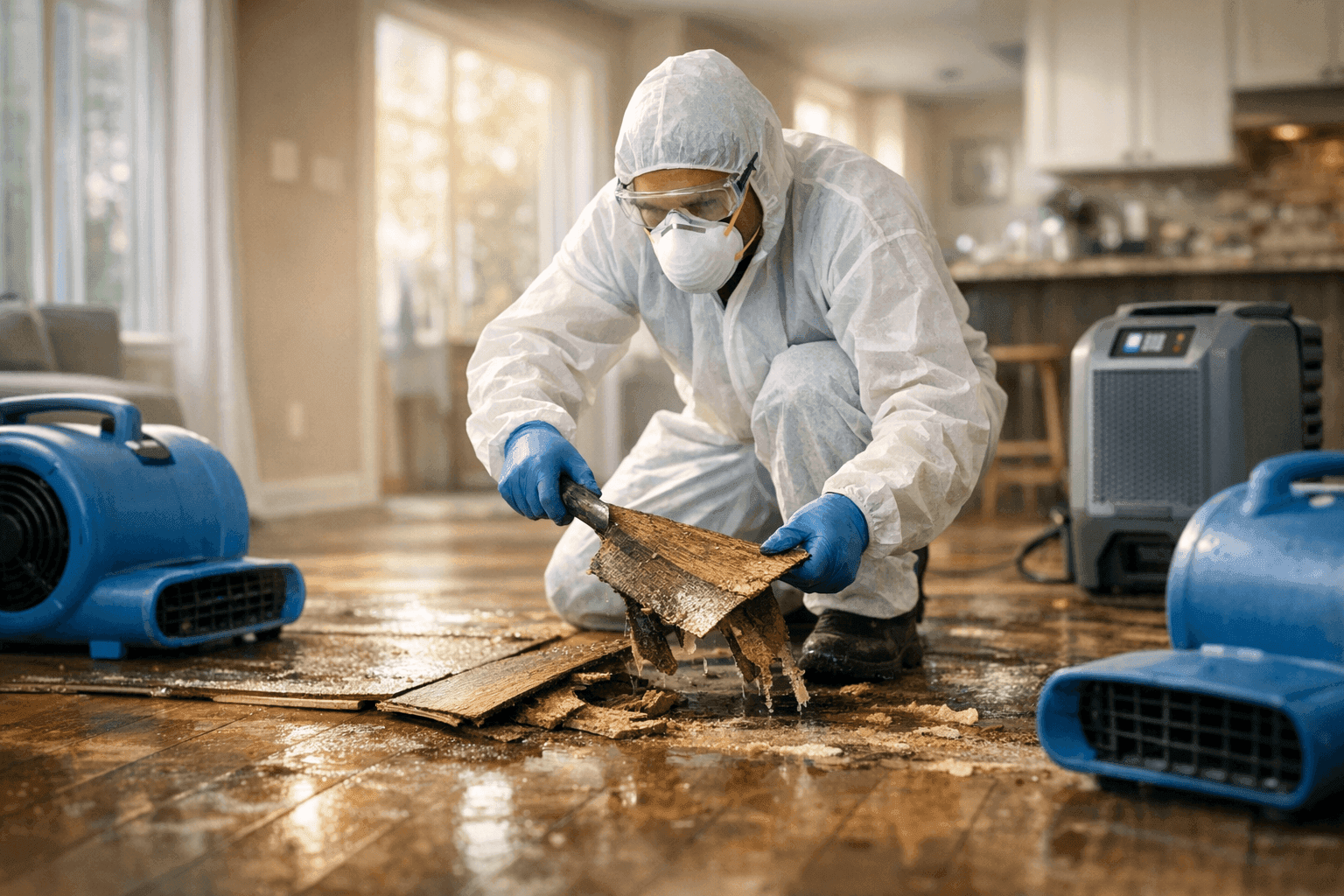
Water damage. Two words that can bring any homeowner or business manager to a stop. Maybe it’s a leaking pipe, flash flood, or just an overflowing washing machine. Whatever the cause, soaked floors aren’t just an inconvenience—they’re a race against time.
At JC Carpet & Flooring, we know how overwhelming it can feel. That’s why we’ve put together this guide, so you’ll know what to expect and how to act quickly if water ever invades your floors.
Assessing the Damage: How Bad Is It?
Before you do anything, take a deep breath. The first step is figuring out how much water has gotten in—and how far it’s traveled. Some flooring bounces back after a splash. But once water seeps beneath the surface, it’s a different story.
- Check if the water is clean, gray, or black: Clean (from broken pipes) is less risky. Gray or black (from sewage or floodwaters) is hazardous.
- Look for warping, buckling, or staining: If planks or tiles lift, or carpet smells musty, water’s reached the subfloor.
- Test with your feet: Does the floor feel spongy, soft, or uneven? That’s a sign the structure beneath is wet.
If you’re unsure, a professional floor inspection is always a smart move. For many, the safest option is to search for Residential Flooring near you and get an onsite assessment.
Quick Safety Checklist 🚨
Safety comes first. Every time. Water damage can hide hazards you can’t see.
- Turn off electricity to affected areas before you step in.
- Wear gloves, boots, and a mask—especially if the water isn’t clear.
- Watch out for slippery surfaces and loose flooring.
- Check local building codes: The U.S. Environmental Protection Agency (EPA) and FEMA recommend fast action to limit mold growth—often within 24–48 hours.
If in doubt, stay out. Let pros handle the mess.
When Floor Removal Is Necessary
Not all wet floors need to come up, but many do. Here’s when removal is almost always required:
- Standing water sat for more than a few hours
- Carpet padding is soaked
- Laminate, hardwood, or LVP planks are swollen or warped
- Visible mold or a sour, earthy smell
- Floodwater (outside water) is involved
In these cases, leaving floors in place can trap moisture, invite mold, and damage your home’s structure. Sometimes, a minor leak means just a patch job. But widespread damage? Full floor removal is the safest way forward.
DIY or Call a Pro? Know Your Limits
It’s tempting to rip up wet carpet yourself. If it’s a small area and the water is clean, you might manage. But there’s more to it than just pulling up boards.
- Special tools like moisture meters and heavy-duty fans are often needed.
- Proper disposal of contaminated materials is a must.
- Mold can grow unseen in just a day or two.
- Disposal rules vary by municipality—check before dumping materials.
If you feel out of your depth, don’t risk your health or your property. Contact flooring professionals for safe, code-compliant removal.
What Pros Do On Arrival
When JC Carpet & Flooring arrives, we start with a clear plan:
- Inspect and document damage (photos, notes for insurance)
- Test moisture levels in floors and subfloor
- Remove furniture and valuables
- Carefully remove damaged flooring—carpet, hardwood, vinyl, or tile
- Dispose of hazardous materials following local regulations
- Set up drying equipment and monitor progress
Our team follows guidelines from the Institute of Inspection Cleaning and Restoration Certification (IICRC)—the gold standard for water damage response.
Safe Disposal: Protecting People and the Planet
Old flooring isn’t just trash—it may be contaminated with chemicals, bacteria, or mold. Here’s how safe disposal works:
- Bag and seal materials: Especially with mold or black water exposure.
- Use designated disposal sites: Home waste rules don’t always apply.
- Avoid burning or dumping: Local and federal laws can carry fines for unsafe disposal.
We handle disposal according to state and federal guidelines, always keeping your family and the environment in mind.
Floor Removal Steps: The Real-World Process
For a smooth, safe floor removal, here’s the play-by-play:
- Clear the area: Remove rugs, furniture, and anything movable.
- Cut and roll up carpet or padding: For safety, always use sharp blades away from your body.
- Pry up planks or tiles: Work slowly to avoid damaging the subfloor.
- Bag and label debris: Especially if exposed to sewage or floodwater.
- Inspect the subfloor: Look for signs of rot, warping, or mold.
- Ventilate: Open windows, run fans, and use dehumidifiers.
Every step matters. Cutting corners can mean hidden mold or structural headaches later.
Drying and Treating the Subfloor 🌬️
A dry subfloor is the bedrock of a safe, comfortable home. Here’s what happens next:
- Industrial fans and dehumidifiers run for days, sometimes longer.
- Moisture meters check levels—subfloors must be dry before new flooring goes down.
- Treat for mold: We may apply EPA-registered antimicrobial solutions to stop spores in their tracks.
- Replace damaged subflooring: Sometimes, sections need repair or replacement.
This step can’t be rushed. Laying new floors on a damp subfloor is like building a house on sand.
Mold Risks: Why Speed and Precision Matter
Mold is the silent invader. According to the Centers for Disease Control and Prevention (CDC), mold can start growing within 24–48 hours after water exposure.
- Health risks: Mold can trigger allergies, asthma, and serious respiratory issues.
- Structural risks: Mold eats away at wood and can undermine your subfloor.
Thorough drying and treatment aren’t just best practice—they’re essential for your health and your building’s longevity.
When It’s an Emergency: Act Now
Some situations can’t wait:
- Black water (sewage or flood) contamination
- Electric shock risk
- Sagging, buckling, or collapsing floors
- Rapid mold growth
If you see any of these, evacuate and call in a professional flooring contractor immediately. Emergency removal and remediation services are often needed to keep your space safe.
Common Mistakes to Avoid
Even well-intentioned homeowners can make costly errors:
- Waiting too long to start cleanup
- Skipping moisture checks
- Covering up wet spots with new flooring
- Improper disposal of contaminated materials
- Ignoring subfloor damage
When in doubt, get help. An ounce of prevention is worth a pound of cure.
What to Expect: Timeline & Disruption
Floor removal isn’t a five-minute job. But with the right team, it can go smoothly.
- Inspection and planning: 1–2 hours
- Removal process: Several hours to several days, depending on size and material
- Drying phase: 2–7 days, sometimes longer for heavy saturation
- Subfloor repairs: Add extra time if needed
You may need to avoid the area during work. We’ll always keep you informed and minimize disruption as much as possible.
Costs & Insurance: What You Should Know
Pricing for floor removal after water damage varies:
- Material type (carpet vs. tile vs. hardwood)
- Extent of damage
- Need for subfloor repair or replacement
Most property insurance covers water damage from sudden, accidental events (not gradual leaks). Always take photos and keep receipts for smoother claims.
Replacement Options: Start Fresh
Once your space is dry and safe, it’s time to rebuild. Consider these options:
- Water-resistant flooring: LVP, tile, or treated hardwoods
- Moisture barriers: Add protection beneath new floors
- Eco-friendly choices: Bamboo, cork, or sustainable vinyl
- Upgraded subfloor materials: For added strength and protection
We’ll walk you through choices that fit your space, budget, and style.
Prevention & Maintenance: Protecting Your New Floors
Don’t want to go through this again? Here’s how to guard against future water woes:
- Fix leaks fast: Even small drips can cause big problems over time.
- Use area rugs and mats near doors, sinks, and laundry areas.
- Schedule regular floor inspections—especially after storms or plumbing issues.
- Install moisture barriers when upgrading or repairing floors.
Staying proactive now saves time, money, and stress later.
Flooring Maintenance and Upkeep
Ongoing care keeps your new floors looking their best:
- Wipe up spills ASAP
- Use gentle cleaners
- Check for signs of moisture or movement
- Have grout and sealants inspected annually
A little attention goes a long way.
FAQ: Your Floor Removal After Water Damage Questions Answered
Q: How soon should I remove flooring after water damage?
A: The sooner, the better—ideally within 24–48 hours, especially with porous materials like carpet or wood.
Q: Will insurance pay for new floors?
A: Many policies cover sudden water damage, but read your terms and document everything.
Q: Do I need to replace the subfloor?
A: Not always. But if it’s wet, swollen, or moldy, it should be repaired or replaced.
Q: What if I smell mustiness but see no water?
A: Hidden moisture could be trapped below. Schedule a professional inspection right away.
Local Help: Flooring Company Services Near You
Whether you’re dealing with a soaked basement or a flooded office, JC Carpet & Flooring is here to help. If you’re searching for a reliable flooring company, our team is ready to restore your space safely and efficiently.
Looking for more details? Explore our Flooring Removal, Floor Repair, or Subfloor Repair services.
Call JC Carpet & Flooring now — or reach us anytime at 855-557-1115 .