Flooring and Indoor Air Quality: What to Know
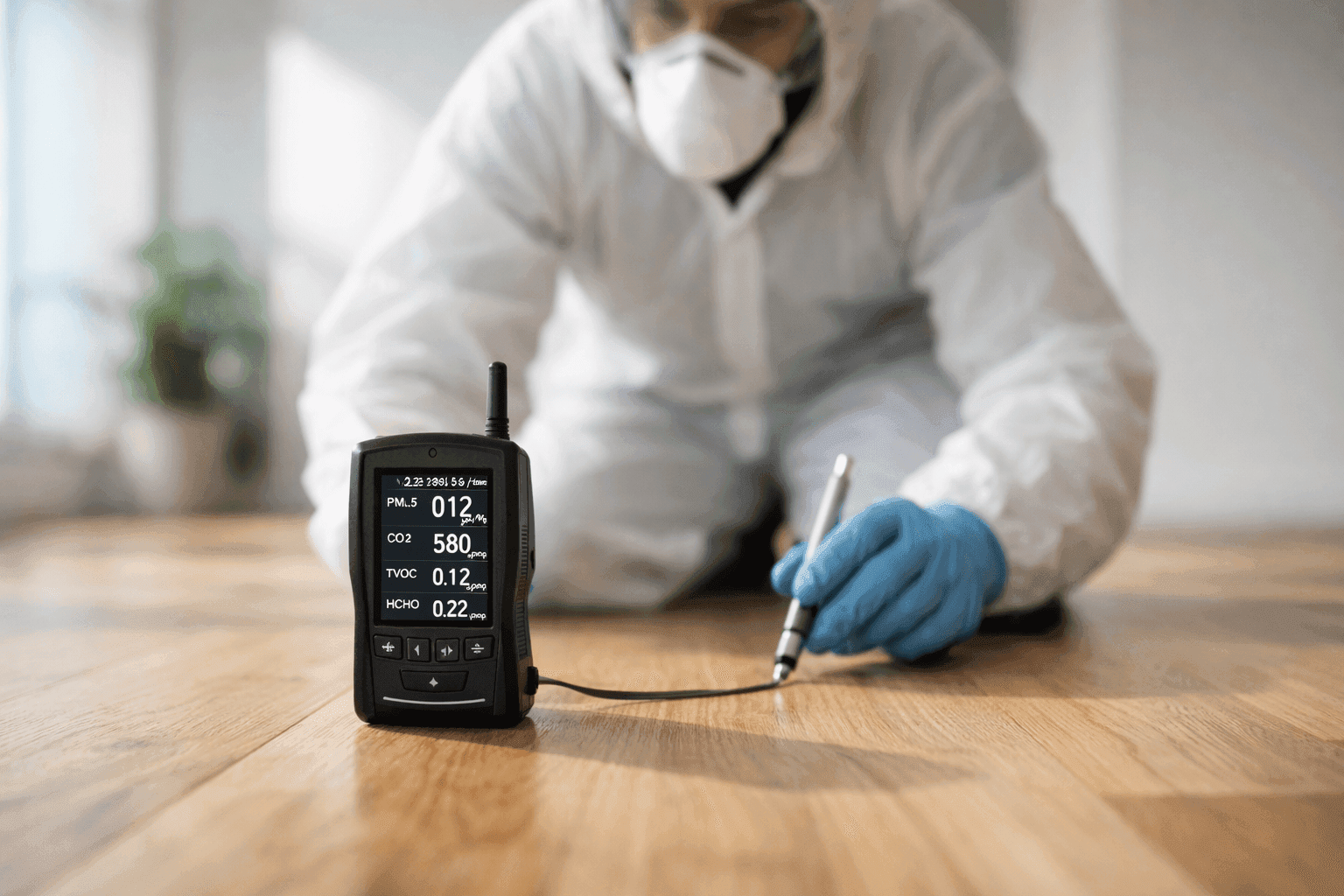
Is the air in your home as fresh as it should be? Most of us spend nearly 90% of our lives indoors, but we rarely think about what’s under our feet. Your choice of flooring can quietly shape your home’s indoor air quality—sometimes for better, sometimes for worse.
At JC Carpet & Flooring, we know how flooring, adhesives, and finishes can affect the air you breathe. Let’s cut through the confusion and help you choose materials that are as healthy as they are stylish.
VOCs Explained: What’s Lurking in Your Floors? 🧪
Ever notice that “new carpet smell” or the sharp scent after installing vinyl? That’s not just your imagination. It’s likely a sign of volatile organic compounds—VOCs for short. These are chemicals released as gases from some solid materials, including certain types of flooring.
VOCs come from:
- Glues and adhesives
- Finishes and stains
- Some synthetic flooring materials (like vinyl)
- Even some cleaning products
Why does it matter? High VOC levels can irritate your eyes, nose, and throat. For some, they trigger allergies or asthma. The U.S. Environmental Protection Agency (EPA) and Centers for Disease Control (CDC) both warn about the health risks of long-term VOC exposure, especially for kids, older adults, and sensitive individuals.
Flooring Materials Ranked: Which Floors Are Healthiest?
Not all floors are created equal when it comes to off-gassing. Here’s how common flooring types stack up for indoor air quality:
Low-Emission Champions
- Solid Hardwood Flooring: Naturally low in VOCs, especially if finished with water-based or natural oil finishes. Look for FSC-certified or sustainably harvested wood.
- Bamboo Flooring: Fast-growing and eco-friendly, but check for formaldehyde-free adhesives.
- Cork Flooring: Naturally antimicrobial; choose low-emission sealers.
- Ceramic or Porcelain Tile: No off-gassing. Use low-VOC grout and adhesives.
Mid-Range Options
- Luxury Vinyl Plank (LVP) & Luxury Vinyl Tile (LVT): Newer products may be FloorScore® or GREENGUARD Gold certified for low emissions, but always check certification.
- Laminate Flooring: Quality brands can be low-VOC, but some older laminates use high-formaldehyde adhesives.
Higher Emission Risks
- Carpet: Some synthetic carpets and pads emit VOCs, though many brands now offer low-emission options. Natural fiber carpets (like wool) are often safer.
- Traditional Vinyl Flooring: Older or non-certified vinyl can contain phthalates and high VOCs.
When in doubt, ask your flooring contractor for documentation or certification labels. At JC Carpet & Flooring, we’re happy to walk you through the healthiest options, whether you’re considering Eco-Friendly Flooring Options, Hardwood Flooring, or Vinyl Flooring.
Health Tips: Choosing Floors That Breathe Easy
Selecting the right floor isn’t just about looks or budget. Think of your flooring as the lungs of your space. Here are some ways to keep the air fresh:
- Go for Third-Party Certifications: Look for GREENGUARD, FloorScore®, or CARB Phase 2 compliance.
- Choose Water-Based or Plant-Based Finishes: They generally emit fewer VOCs than oil-based or solvent-based products.
- Ask About Underlayments: Some foam or rubber pads can off-gas. Opt for low-emission, natural fiber underlays.
- Air Out New Floors: Open windows and ventilate for several days after installation.
- Beware of “Bargain” Flooring: Cheap materials can hide high-VOC adhesives or fillers.
For allergy-prone spaces, hard surfaces like tile, hardwood, or bamboo are easier to clean and trap less dust and dander.
Maintenance: Keep Your Air (and Floors) Clean 🧹
Indoor air quality isn’t set-and-forget. Maintenance matters—sometimes as much as the material itself.
- Vacuum Regularly: Use a vacuum with a HEPA filter, especially on carpet and area rugs.
- Damp Mop Hard Floors: Don’t just sweep—mopping helps trap fine dust and allergens.
- Stick to Green Cleaners: Avoid harsh chemicals. Simple soaps or vinegar solutions are often enough.
- Seal Grout and Wood: Proper sealing keeps moisture out and discourages mold growth.
- Watch for Moisture: Standing water under floors can lead to mold. Address spills and leaks fast.
Quick Safety Checklist: Before and After Installation
Safety isn’t just for the pros. Here’s a quick checklist for homeowners and business owners:
- Ask your installer about low-VOC options.
- Ventilate the area before, during, and after installation.
- Don’t rush back in—let new floors “breathe” for at least 48 hours.
- Dispose of all packaging and scraps promptly.
DIY vs. Call a Pro: When to Get Help
Some flooring jobs are best left to the professionals, especially when indoor air quality is a priority. For example:
- Removing old vinyl or carpet can disturb dust and allergens.
- Subfloor repairs and moisture barriers require expertise to prevent future mold.
- Installing radiant floor heating or soundproofing solutions may need code compliance.
If you’re in doubt, bring in a qualified flooring company to ensure safety and comfort.
What Pros Do On Arrival: Our Approach
At JC Carpet & Flooring, health isn’t an afterthought. When we arrive, we:
- Inspect for mold, mildew, and old adhesives.
- Recommend low-emission adhesives and finishes.
- Use professional air movers and fans to speed up off-gassing.
- Follow manufacturer and EPA guidelines for safe installation.
Prevention & Maintenance: The Long Game
Want your floors (and lungs) to stay healthy for years? Build good habits:
- Schedule regular flooring inspections.
- Re-seal wood and grout every few years.
- Replace air filters in your HVAC system regularly.
- Tackle spills and stains right away to prevent bacteria and mold.
Costs & Time Factors: Spending for Health
Eco-friendly flooring can cost a little more upfront, but it pays off in comfort and health. Some low-VOC floors install just as quickly as traditional options. Others, like hardwood, may need extra curing or ventilation time.
Plan for installation during mild weather if possible—so you can keep windows open and speed up the “airing out” process.
When It’s an Emergency: Signs Your Floors Are Hurting Your Air
Not all problems are visible. Watch for:
- Unusual odors that don’t fade
- Headaches, allergies, or asthma flare-ups at home or work
- Mold or mildew spots, especially in basements or bathrooms
If you notice these, it’s worth a professional floor and air check.
FAQ: Your Most Common Indoor Air Quality Questions
Q: Can new floors make you sick?
A: Some new floors release chemicals that irritate sensitive people. Always ask about low-VOC options.
Q: How long do VOCs off-gas?
A: Some finish off-gassing in days, others can linger for weeks. Ventilation helps speed up the process.
Q: Is carpet always worse for allergies?
A: Not always. Some natural carpets are hypoallergenic—but regular cleaning is a must.
Seasonal Considerations: When to Install for Best Air
Timing matters. Spring and fall are ideal for new installs—you can open windows and let fresh air push VOCs out. Summer heat can increase off-gassing, while winter may keep you sealed indoors.
Common Mistakes: What to Avoid
- Choosing materials based on price alone
- Skipping professional installation for complex jobs
- Not asking about adhesives and finishes
- Forgetting to ventilate after install
Signs of Trouble: When to Take Action
- Persistent musty or chemical smells
- New or worsening allergies
- Peeling or bubbling flooring (can indicate moisture)
If you spot any of these, call in a professional for a closer look.
Timeline & Disruption: What to Expect
Most flooring jobs take a day or two, but air quality can take longer to normalize. Build in time for airing out—especially if you have young kids, pets, or sensitive family members.
Materials & Equipment: What Makes the Difference
- Low-VOC adhesives and finishes
- HEPA-filtered vacuums
- Dehumidifiers and fans for post-installation airing
- Certified, tested flooring materials
Ask your installer what they’re using—don’t be shy.
Ready to breathe easier? Whether you’re upgrading your home or business, let JC Carpet & Flooring help you choose floors that support a healthy, comfortable space.
Call JC Carpet & Flooring now — or reach us anytime at 855-557-1115 .