Flooring for Basements: What Works and What to Avoid
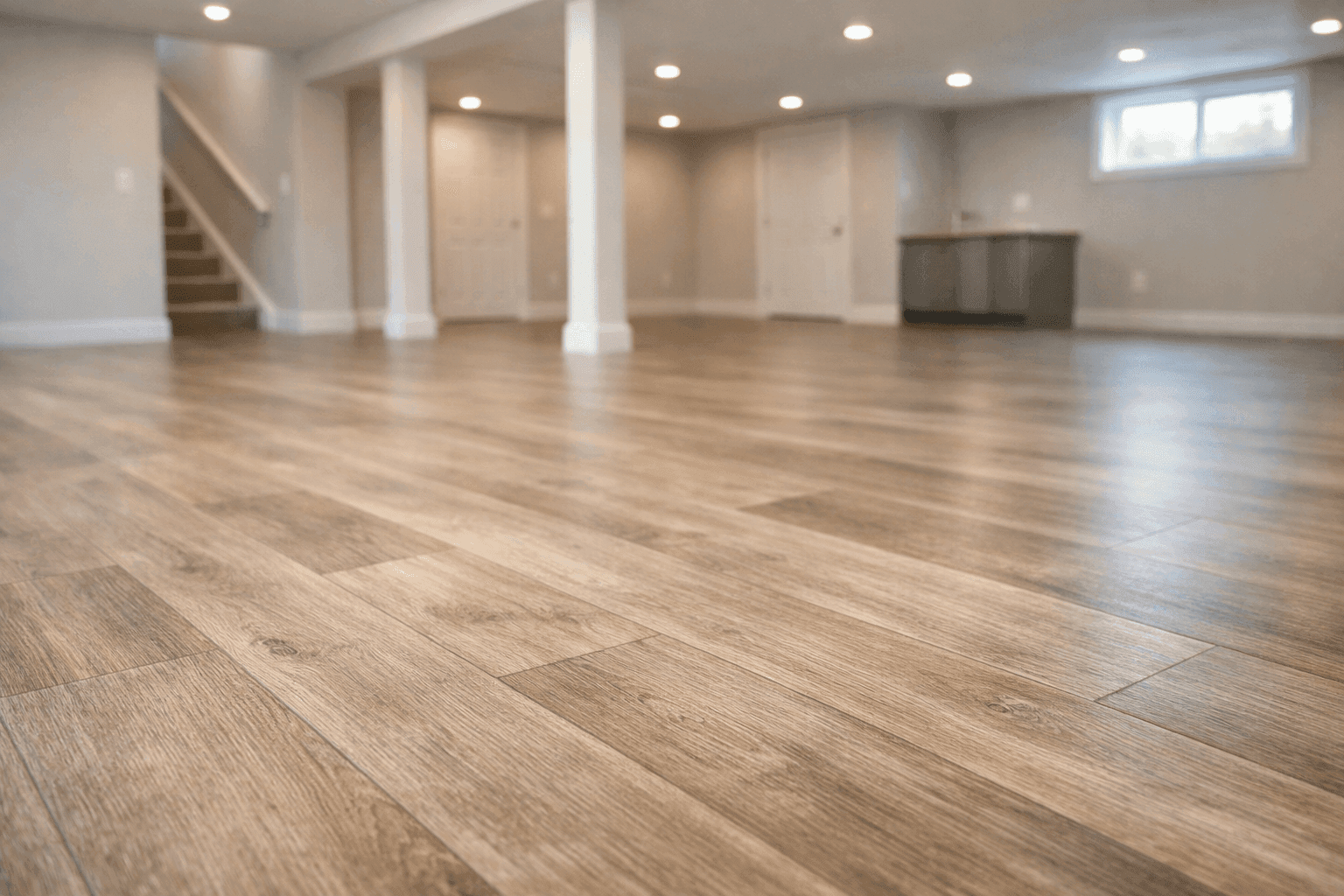
Basements can be tricky. They’re often colder, more humid, and less forgiving than the rest of your home or business. Maybe you’re eyeing that underused space and picturing a rec room, home gym, or office. Or maybe you just want to make sure the floor won’t buckle, bubble, or mold after the next rainy season.
At JC Carpet & Flooring, we see basement floors every day—each with its unique challenges. Our team has helped transform countless damp and dreary spaces into comfortable, healthy, and stylish rooms. In this guide, you’ll learn which basement flooring options hold up, which fail, and how science-backed choices keep your family or staff safe.
Why Basements Demand Special Flooring
Basements sit below ground, where moisture and temperature changes are part of daily life. Concrete slabs can seep water, while old homes may carry musty odors. Even the cleanest, driest basement is prone to invisible moisture from condensation or minor leaks. That’s why basement flooring isn’t a one-size-fits-all project.
Moisture Control: The Foundation for Lasting Floors 💧
Moisture is the enemy of most floors. It seeps up from the concrete, sneaks in from walls, or forms as condensation in humid months. This isn’t just about comfort—a damp floor can breed mold, trigger allergies, and cause costly damage down the road.
Key steps for moisture control:
- Test before you start: Use a moisture meter on the concrete slab. Building codes (like the International Residential Code) recommend moisture readings below 4% before installing most floor types.
- Seal cracks: Fill any visible foundation cracks with epoxy or hydraulic cement.
- Install a moisture barrier: A vapor barrier or underlayment is critical, especially under vinyl, engineered wood, or laminate. For more details, read about our Moisture Barrier Installation.
- Check for leaks: Inspect plumbing, sump pumps, and window wells. Address issues before any flooring goes down.
Best Materials for Basement Flooring
Not all floors are created equal—especially below grade. Let’s break down what works, and why.
1. Luxury Vinyl Plank (LVP) & Luxury Vinyl Tile (LVT)
LVP and LVT are champions for basements. They’re waterproof, easy to clean, and mimic natural wood or stone without the worry of swelling or warping. Their layered construction provides warmth and a gentle underfoot feel. Plus, they resist mold and mildew—ideal for allergy-prone families.
2. Tile Flooring
Porcelain or ceramic tile stands up to basement moisture. Tiles are dense, easy to sanitize, and don’t harbor allergens. Grout should be sealed to prevent staining—our team offers Basement Flooring as part of regular maintenance.
3. Sealed Concrete
If you prefer an industrial or modern look, sealed concrete is tough to beat. Properly finished, it’s waterproof, easy to clean, and resists both stains and scratches. Add area rugs for comfort and noise reduction.
4. Engineered Wood
Engineered wood beats solid hardwood in basements. Its plywood base resists swelling and shrinking, while the top layer delivers real-wood warmth. Still, it’s best installed with a moisture barrier and only in well-controlled spaces.
5. Epoxy Floor Coatings
Epoxy creates a seamless, waterproof surface that stands up to heavy use. It’s popular for basement playrooms, workshops, or home gyms—anywhere durability and easy cleaning matter.
Materials to Avoid in Basements
Some options look great—until moisture strikes.
- Solid hardwood: Swells, warps, or buckles with even mild dampness.
- Carpet (in damp areas): Traps moisture, leading to odor, mold, and allergens.
- Cheap laminate flooring: Many products have wood-based cores that absorb water, causing bubbling and separation.
- Unsealed cork or bamboo: These can be used, but only if sealed and maintained properly.
Safety and Allergy Tips for Healthier Basements
Basement air quality matters. Mold and dust mites thrive in damp, carpeted spaces. Instead, choose allergy-friendly floors (like LVP, tile, or sealed concrete) that don’t trap allergens and are easy to clean.
- Seal gaps: Use low-VOC sealers or adhesives for better indoor air quality.
- Regular cleaning: Sweep and mop floors often. Use HEPA vacuums on area rugs.
Installation Tips: What Pros Know
Basement floors are best handled with care and know-how. Here’s what the JC Carpet & Flooring crew focuses on, every time:
- Acclimate materials: Let flooring sit in your basement for a few days before installation. This helps materials adjust to temperature and humidity.
- Level the subfloor: High spots or dips can cause tiles to crack or planks to separate.
- Use the right underlayment: Especially for floating floors (like LVP or laminate), the correct underlayment cushions, insulates, and blocks moisture.
- Follow manufacturer’s instructions: Each flooring type has its own dos and don’ts. Skipping steps voids warranties and can cause problems later.
Common Mistakes to Avoid 🚫
Floors fail for predictable reasons. Here’s what to watch out for:
- Skipping the moisture test: Even “dry” basements can surprise you.
- Installing over wet concrete: Traps moisture, leading to bubbling and mold.
- Ignoring slope and drainage: Water should move away from your foundation, not toward it.
- Not sealing tile grout: Unsealed grout absorbs water and stains.
- Choosing the wrong material: Solid hardwood is beautiful, but it will disappoint in most basements.
Quick Safety Checklist for Basement Flooring
- Test for moisture before you buy.
- Address leaks or drainage issues first.
- Choose waterproof or moisture-resistant materials.
- Use the correct underlayment or vapor barrier.
- Maintain humidity between 30–50% with a dehumidifier.
Prevention & Maintenance: Keep Your Basement Floor at Its Best
Once your new floor is in, maintenance matters. Sweep or vacuum weekly. Mop with manufacturer-approved cleaners. Reseal grout and concrete every few years. If you spot water, act fast—dry the area, find the source, and call for help if needed.
Cost and Time Factors
Basement floors range in price and installation time:
- LVP/LVT: Moderate cost, quick install—often 1–2 days.
- Tile: Higher labor, but lasts decades.
- Epoxy: Affordable, but requires surface prep and curing.
- Engineered wood: More expensive, but adds warmth and value.
Factor in the cost of underlayments, moisture barriers, and any repairs to the subfloor.
Seasonal Considerations: Plan Ahead
Basements are dampest in spring and during heavy rains. Schedule flooring work when humidity is lower, or run a dehumidifier before and after installation. Avoid major projects during flood-prone months if possible.
Signs of Trouble: When to Call for Help
Watch for these warning signs:
- Musty odors or visible mold.
- Warping, buckling, or soft spots in the floor.
- Efflorescence (white, powdery residue) on concrete.
- Persistent dampness, even with a dehumidifier.
If you spot these, it’s time for a professional inspection. Our team can assess and recommend repairs or replacement.
DIY vs. Professional Installation
Handy homeowners can tackle some flooring projects. Click-lock LVP, for example, is designed for DIY. But when it comes to subfloor repairs, moisture mitigation, or complex installations (like tile or epoxy), a professional touch ensures long-term performance and safety.
If you’re looking for Concrete Flooring or want a full-service Basement Flooring solution, we’re here to help.
FAQ: Your Basement Flooring Questions Answered
Q: Can I put carpet in my basement?
A: Only in dry, well-controlled areas—and with water-resistant padding. Otherwise, stick to area rugs.
Q: How do I know if my basement is too damp?
A: Use a moisture meter or look for signs like odors, stains, or condensation. Many basements need a dehumidifier year-round.
Q: What about radiant floor heating?
A: Radiant heat pairs well with tile or engineered wood, as long as the system is installed properly beneath the flooring.
Q: Do I need to remove my old floor first?
A: Usually, yes. Old carpet, warped laminate, or failing tile should go. This lets you inspect and repair the subfloor before installing new material.
Ready to transform your basement into a dry, comfortable retreat? At JC Carpet & Flooring, our experienced team brings science-backed solutions and practical know-how to every project. Let’s make your basement floor beautiful, safe, and built to last.
Call JC Carpet & Flooring now — or reach us anytime at 855-557-1115 .