Flooring for Home Gyms: Best Materials and Safety Tips
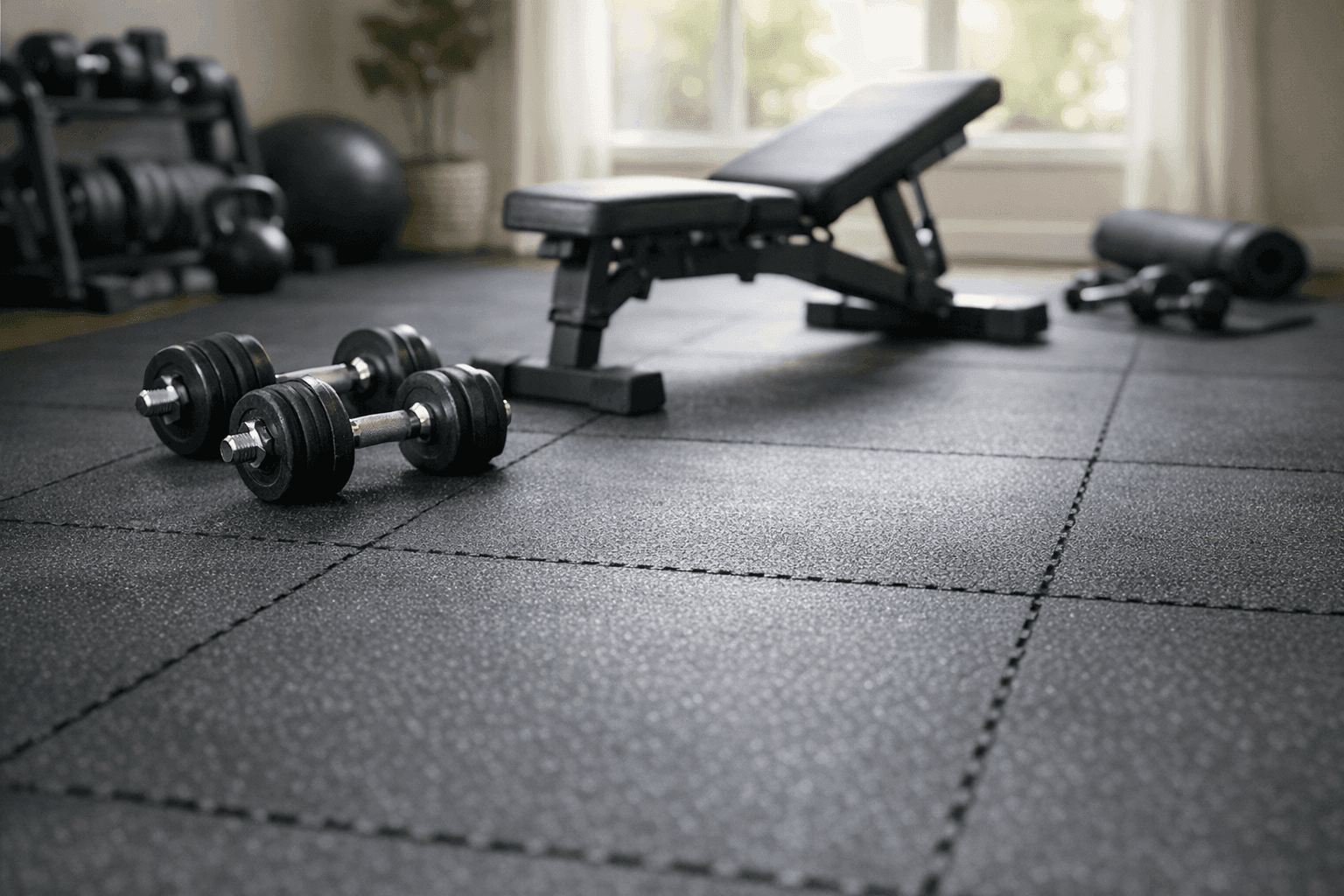
Sweat. Energy. Determination. Your home gym should match your commitment, but it starts under your feet. The wrong flooring can sabotage your workouts—think slips, sore joints, and impossible messes. The right floor? It’ll help you go further, safer, and cleaner.
At JC Carpet & Flooring, we know the difference a solid foundation makes. Homeowners and business owners alike want a gym that’s safe, easy to maintain, and built to last. Let’s break down your best options and the must-know safety tips, so you can build your fitness sanctuary with total confidence.
Why Home Gym Flooring Matters
Imagine dropping a dumbbell on a hardwood floor. Or trying to balance on slippery tile after a sweaty session. The right flooring isn’t just about looks—it’s about protecting your body, your equipment, and your investment.
Choosing the best gym flooring means thinking about:
- Shock absorption (protecting joints and subfloor)
- Slip resistance (avoiding accidents)
- Ease of cleaning (hygiene matters)
- Durability (standing up to heavy use)
Top Flooring Types for Home Gyms 🏋️♂️
Let’s compare the most popular materials for home fitness zones. Each has strengths—and a few quirks.
Rubber Flooring
Rubber is the heavyweight champ for most home gyms. It absorbs shock like a sponge, keeps you steady, and shrugs off dropped weights. Rolls or interlocking tiles both work, and cleanup is a breeze.
- Pros: Great cushioning, slip resistance, durable, easy to clean.
- Cons: Some rubber can have a noticeable smell at first, and it’s heavier to install.
Foam Tiles
Foam tiles feel like standing on clouds. They’re budget-friendly and easy to swap out, making them perfect for lighter activities like yoga or bodyweight workouts.
- Pros: Soft, affordable, simple DIY install.
- Cons: Not ideal for heavy weights or high-impact moves—foam can compress or tear.
Vinyl Flooring
Luxury Vinyl Plank (LVP) or tile offers a smart middle ground. It’s water-resistant, easy to clean, and stylish enough to blend with the rest of your home.
- Pros: Moisture-resistant, versatile looks, easy maintenance.
- Cons: Less shock absorption than rubber, so consider adding mats for high-impact areas.
Sealed Concrete
Concrete gets a bad rap for being cold and hard, but with proper sealing and coatings, it’s tough, low-maintenance, and works well for multi-use spaces—think garage gyms.
- Pros: Incredibly durable, easy to clean, moisture-proof with the right sealant.
- Cons: Hard underfoot—add mats for comfort and safety.
Installation: Professional or DIY?
Some flooring options invite a weekend project. Others demand a pro’s touch.
- Rubber and foam tiles: DIY-friendly; just snap together or roll out.
- Vinyl plank, sealed concrete: Best left to professionals for proper leveling, sealing, and long-term performance.
If you’re unsure what’s right for your space, our flooring consultation service can steer you straight.
Safety First: Quick Checklist
A safe workout space starts from the ground up. Before you break a sweat, check these essentials:
- Level surface: Uneven floors trip you up and damage equipment.
- Secure seams: Loose tiles or edges are trip hazards.
- Cleanliness: Dirt and debris make floors slippery.
- Moisture protection: Use a moisture barrier if installing over concrete in basements or garages.
Cleaning and Hygiene Tips
Gyms are magnets for sweat, dust, and germs. Routine cleaning keeps your floor looking good and smelling fresh.
- Daily: Sweep or vacuum loose debris.
- Weekly: Mop with a mild, non-abrasive cleaner.
- Spot clean: Wipe up spills or sweat immediately to prevent stains or slips.
For deep cleaning, especially in high-traffic or commercial spaces, professional maintenance can extend the life of your investment.
Shock Absorption: Protect Your Joints
The floor is your workout partner. Too hard, and your knees and ankles pay the price. Too soft, and you lose stability.
- Rubber: Best for weights and plyometrics.
- Foam: Cushions but can be unstable for heavy lifting.
- Vinyl and sealed concrete: Add mats for extra joint protection.
Refer to the American College of Sports Medicine for more on recommended shock-absorbing surfaces in fitness environments.
Slip Resistance: Staying Upright
Sweaty workouts and smooth floors spell trouble. Prioritize materials with built-in grip, and consider textured or non-slip finishes.
- Rubber: High slip resistance, even when wet.
- Vinyl: Look for textured options.
- Concrete: Needs a slip-resistant coating.
The National Safety Council recommends testing for slip resistance, especially if your gym doubles as a playroom or family area.
Floor Coatings: Extra Protection
Epoxy and polyurethane coatings can transform concrete or wood into gym-ready surfaces. They add a layer of protection against moisture, scratches, and bacteria.
- Epoxy: Creates a seamless, easy-to-clean surface.
- Polyurethane: Adds flexibility and UV resistance.
Explore our floor coatings for long-lasting, professional results.
Soundproofing: Keep It Quiet
Dropping weights or running on a treadmill can rattle the whole house. Dense rubber flooring, cork underlayment, or specialized soundproofing solutions reduce noise and protect your sanity.
- Cork: Naturally dampens sound.
- Rubber: Absorbs impact and vibration.
Budget and Timeline: Planning Ahead
- Rubber and foam tiles: Quick install, minimal downtime.
- Vinyl or sealed concrete: Allow extra time for prep and curing.
- Budget: Expect to invest more in rubber and specialty coatings, less for foam or basic vinyl.
Factor in removal of old flooring and subfloor repair if needed.
When to Call a Pro
DIY is tempting, but some signs mean it’s time to call in flooring specialists:
- Floor feels uneven or bouncy.
- You spot moisture, mold, or persistent odors.
- Heavy equipment needs extra support.
- You want a seamless, professional look.
A pro can handle leveling, moisture barriers, and precise cuts that make the difference between “good enough” and “built to last.”
Common Mistakes to Dodge
- Skipping the moisture barrier in basements.
- Using foam tiles under heavy gym equipment.
- Ignoring floor prep (leveling, cleaning).
- Overlooking slip resistance.
These shortcuts can turn a dream gym into a safety hazard.
Maintenance Musts
- Inspect seams and edges regularly.
- Clean spills right away.
- Reseal or reapply coatings as needed (usually every few years).
- Rotate equipment to avoid permanent dents.
A little routine care goes a long way in protecting your investment.
FAQs: Home Gym Flooring
Q: Can I put gym flooring over carpet?
A: Not recommended for most equipment—carpet can shift and reduce stability. Remove carpet first for best results.
Q: How thick should gym flooring be?
A: For weights and cardio, aim for 8mm–12mm rubber. Lighter activities can use thinner foam or vinyl.
Q: Is professional installation worth it?
A: For complex spaces, moisture issues, or high-end finishes, hiring a flooring contractor ensures safety and longevity.
Seasonal Considerations
Extreme temperatures and humidity swings can affect flooring. Basements and garages need extra moisture protection. In humid climates, choose water-resistant materials and keep up with regular inspections.
Signs Your Floor Needs Attention
- Cracking, warping, or swelling
- Persistent odors or dampness
- Tiles lifting or seams gapping
- Surface feels slippery even when clean
Don’t wait—address small issues before they sideline your workouts.
Home, Garage, or Basement? Tailoring Your Choice
- Basements: Prioritize moisture barriers and mold resistance.
- Garages: Durable, waterproof surfaces like sealed concrete or epoxy.
- Spare rooms: Rubber or vinyl for a more finished look.
If you’re in Wichita, our flooring services can help you find the perfect fit for your space.
Ready for a safer, smarter workout space? JC Carpet & Flooring helps you choose the right home gym flooring, install it seamlessly, and keep it safe for every squat, stretch, and sprint.
Call JC Carpet & Flooring now — or reach us anytime at 855-557-1115 .