Flooring for Outdoor Spaces: Options and Care
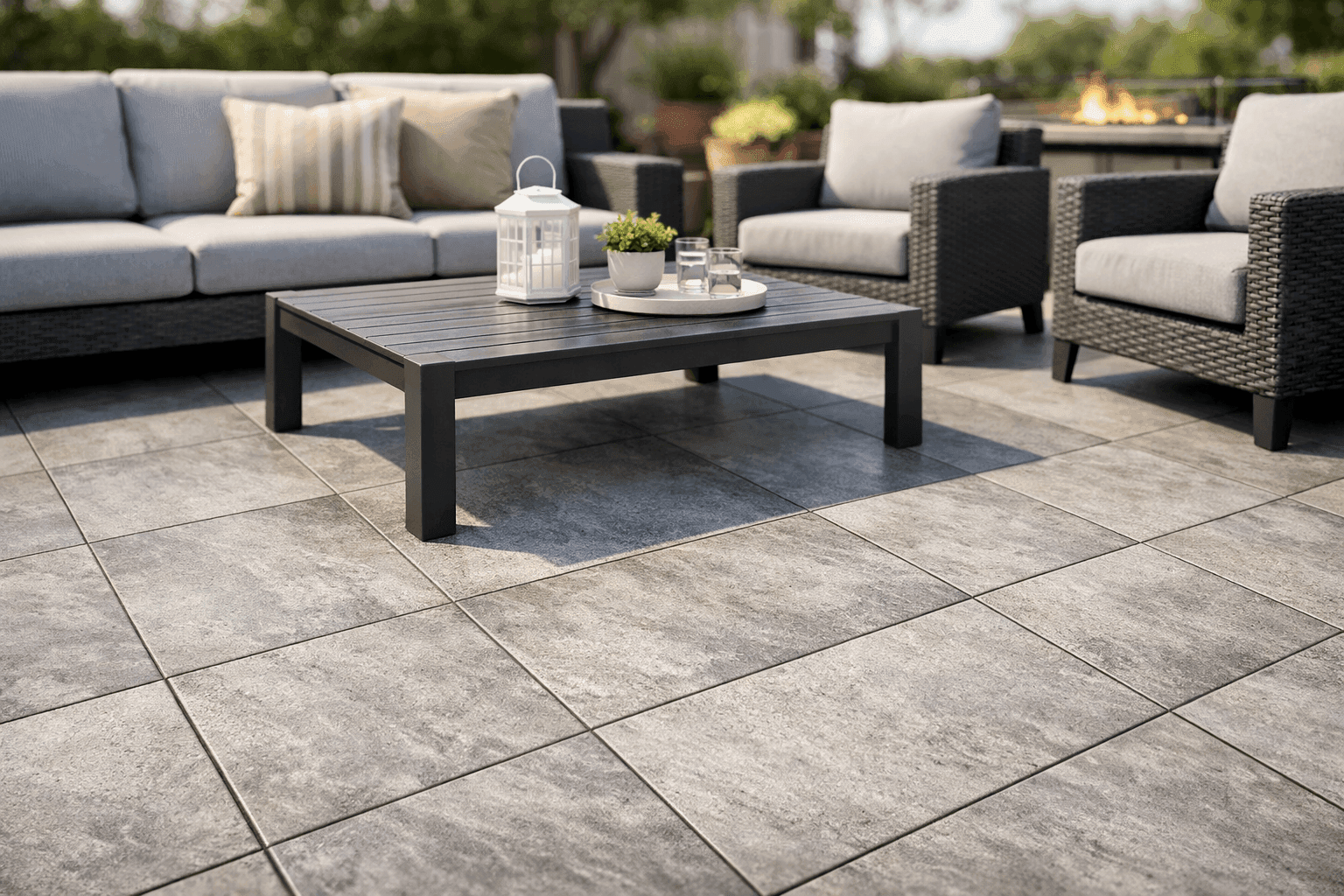
When you step outside, your patio or deck should feel like an extension of your home. But wind, rain, and sun can turn that dream into a maintenance headache. The right outdoor flooring makes all the difference.
At JC Carpet & Flooring, we help homeowners and businesses choose surfaces that last. We care about comfort underfoot, slip resistance, and how your outdoor space weathers the seasons—literally.
Outdoor Flooring Types
Choosing outdoor flooring is like picking an umbrella for a storm. Some options keep you dry longer. Others look good but fade fast. Here are the most popular materials for patios, decks, and walkways—each with strengths and quirks.
Tile
Outdoor-rated tile, like porcelain or stone, offers a crisp look and comes in dozens of styles. It's cool underfoot and easy to sweep. But, beware: smooth tiles can become slippery when wet. Always opt for those with textured finishes and high slip resistance (check for a DCOF rating of at least 0.60 per TCNA standards).
Composite Decking
Composite boards blend recycled wood fibers and plastic. They resist splinters, won't rot, and shrug off the sun's UV rays better than most natural woods. Stains and mildew are rare if you clean up spills quickly.
Pressure-Treated Wood
Classic and warm, this option needs regular sealing to prevent water damage or fading. The beauty is in its natural grain, but expect more maintenance than with composite or tile.
Concrete
Durable, affordable, and easy to customize with stains or stamped designs. A well-poured slab can last decades. Just remember, concrete can crack if the base isn't prepped and maintained properly.
Rubber Mats
For play areas, gyms, or pool surrounds, rubber mats offer slip-resistance and cushion. They're easy to move and replace but can fade in direct sunlight over time.
Weather Risks: What Outdoor Floors Face ☀️
Outdoor surfaces face a gauntlet. Sun can bleach colors. Rain seeps into cracks and, when winter comes, freezes and expands. Leaves and dirt invite slippery algae or mildew, especially in shady spots.
- Sun: UV rays can fade wood, vinyl, and even some tiles.
- Rain: Water seeps into seams, leading to slippery mold or rot.
- Snow & Ice: Freeze-thaw cycles can crack concrete or loosen tiles.
- Wind: Debris scratches surfaces, especially softer woods.
Local building codes (like the International Residential Code) require slip-resistant surfaces for outdoor walkways and decks. Always check that your material meets these standards.
Safety First: Slip Resistance and Protection
Nobody wants a patio that turns into a skating rink after rain. Look for flooring with a textured finish or built-in grip. For decks, wide gaps between boards help drainage. For tiles, select outdoor-rated models with high slip-resistance.
Add mats at entryways. They catch grit and moisture before it tracks inside.
If your deck is shaded, clean it regularly to prevent moss and algae—the real culprits behind many backyard slips.
Cleaning and Maintenance Basics 🧹
No outdoor floor is zero-maintenance. Even the toughest surfaces need a little TLC.
- Sweep weekly: Keeps grit and leaves from scratching or staining.
- Wash seasonally: Use a hose or pressure washer on low. For wood, avoid high pressure—it can gouge the grain.
- Tackle stains early: Spot-clean with mild soap and water as soon as spills happen.
- Sealing: Wood decks need resealing every 1–3 years. Concrete may need resealing every 2–4 years.
For commercial patios, schedule regular professional cleaning to meet safety and aesthetics standards.
When to Call a Pro—and What Happens Next
Not sure if your deck needs repair or if tiles are loosening? A professional flooring inspection can spot trouble before it grows. At JC Carpet & Flooring, our team checks for rot, loose boards, unevenness, and drainage problems.
If you’re considering a new installation, pros will:
- Evaluate your space for drainage and sun exposure
- Recommend materials that match your style and needs
- Ensure your floor meets safety codes
- Handle demolition, prep, and installation with minimal mess
Explore our Outdoor Flooring and Deck Flooring service pages for more details on what to expect.
Prevention: Keeping Floors Looking New
Think of maintenance as sunscreen for your deck or patio. It’s the little things—like adding furniture pads, trimming overhanging trees, or avoiding harsh chemicals—that keep floors in good shape.
- Furniture pads: Prevent scratches from heavy chairs and tables.
- Shade structures: Pergolas or umbrellas protect from intense sun.
- Rugs: Use outdoor-rated rugs for extra comfort and protection.
Replacement vs. Repair: When Is It Time?
If boards are warped, tiles cracked, or you notice sagging, it may be time to repair or replace. Sometimes a simple refinish or reseal will restore life. Other times, especially with older wood or concrete, replacement is safer and more cost-effective.
Costs and Time Factors
Material prices range widely. In general:
- Concrete: Most affordable, especially for large patios.
- Composite: Higher upfront, but lower maintenance over its lifespan.
- Tile: Varies depending on style and installation complexity.
- Wood: Moderate, but expect ongoing care costs.
Most installations take a few days to a week. Weather and site prep can extend timelines.
DIY or Hire a Flooring Contractor?
Small repairs or mat replacements are great weekend projects. But full installations—especially those needing code compliance, drainage, or leveling—are best left to pros. Mistakes here can lead to costly water damage or safety issues.
Common Mistakes to Avoid 🚫
- Choosing indoor tile outdoors (it’s slippery and fragile)
- Skipping drainage planning
- Neglecting annual sealing for wood
- Using harsh cleaners that strip finishes
Seasonal Considerations: Winter, Rain, and Sun
Before winter, sweep and wash your deck. Remove rugs that trap moisture. In spring, look for loose boards or tiles and address them early.
During rainy seasons, check for standing water. A properly sloped surface should shed water, not collect it.
Soundproofing and Comfort Upgrades
Outdoor spaces can echo—especially with hard materials. Consider adding outdoor rugs or rubber mats for sound absorption and a softer feel underfoot.
Frequently Asked Questions
Can I use indoor flooring materials outside?
No. Always choose products rated for exterior use to prevent warping, fading, or safety hazards.
How do I know if my patio needs resealing?
Splash water on the surface. If it soaks in instead of beading up, it’s time to reseal.
Are outdoor floors safe for kids and pets?
Rubber mats are best for play, but textured tile, composite, or sealed wood are all safe if maintained.
Signs of Trouble
- Boards feel soft or spongy
- Tiles wobble or are cracked
- Large gaps or uneven areas
- Persistent algae or mildew
If you spot these, don’t wait—address them before they get worse.
How Outdoor Flooring Affects Home Value
A well-designed, safe patio or deck boosts curb appeal and value. Appraisers and buyers notice quality outdoor floors—especially in markets where outdoor living space is prized.
Omaha’s Outdoor Flooring Needs
If you live in the Midwest, you know weather swings are the norm. For residents searching for Outdoor Flooring in Omaha, our team understands the local climate and material demands.
Ready to Upgrade Your Outdoor Space?
Choose outdoor flooring that stands up to the elements and feels great underfoot—season after season. For residential or commercial projects, JC Carpet & Flooring brings experience, safety know-how, and quality materials to every job.
Call JC Carpet & Flooring now — or reach us anytime at 855-557-1115 .