Flooring for Pet Owners: Best Choices and Maintenance Tips
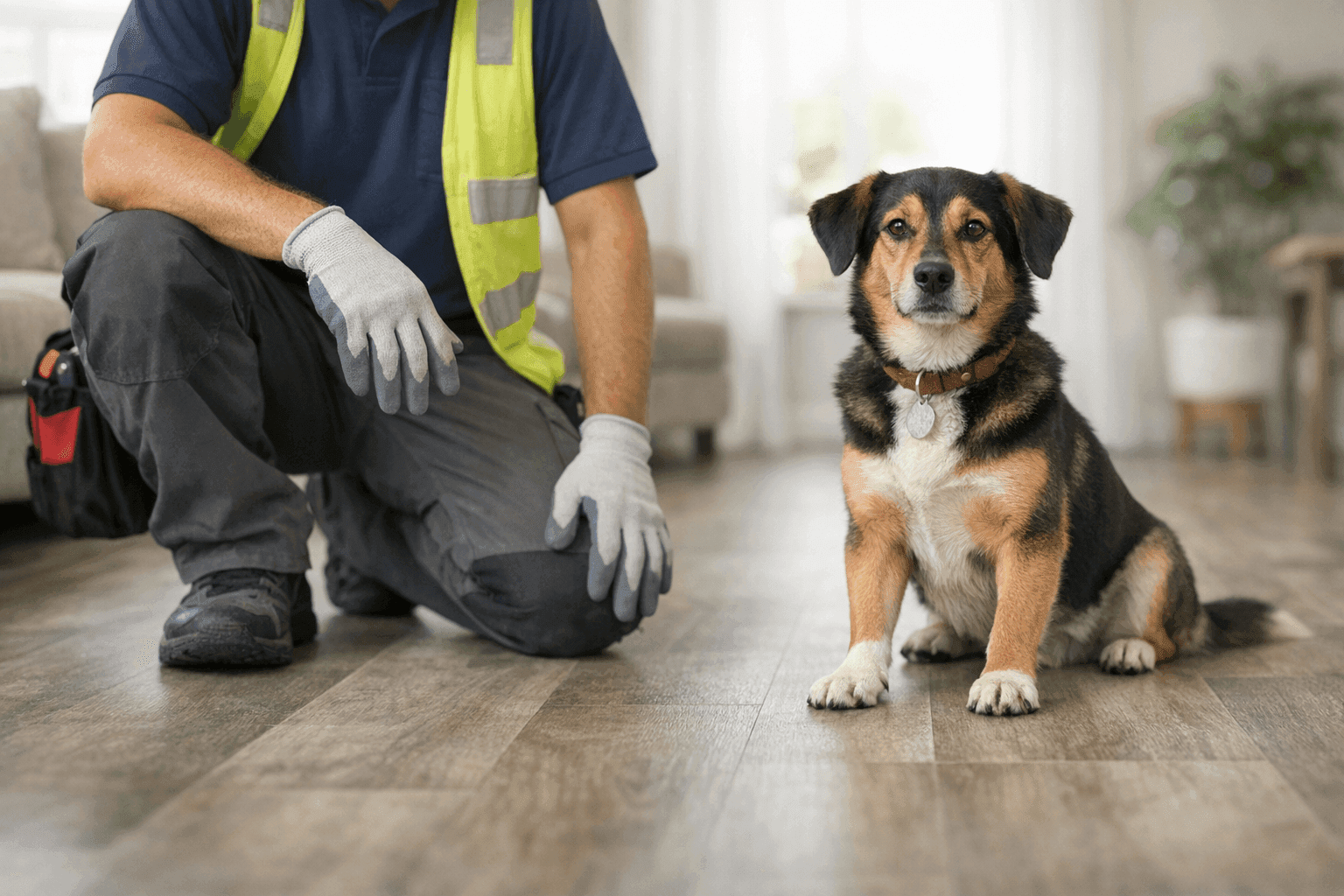
Do you ever feel like your floors are in a daily wrestling match with your pets? From muddy pawprints to claws that click and scratch, the right flooring can make all the difference. At JC Carpet & Flooring, we understand how much you love your four-legged family members—and how important it is to keep your home looking and feeling fresh, safe, and clean.
Let’s talk about the best flooring choices for pet owners, plus smart strategies to keep your floors beautiful, healthy, and ready for anything.
Flooring Choices: What Works Best for Pets? 🐾
Pets bring joy, but they also bring challenges. Not all floors are created equal when it comes to withstanding moisture, stains, and scratches. Here’s a breakdown of pet-friendly flooring for homes and businesses:
Luxury Vinyl Plank (LVP) & Vinyl Flooring
LVP and modern vinyl floors are like raincoats for your home—waterproof, stain-resistant, and tough. They handle accidents, pet water bowls, and even the zoomies. Plus, they’re soft underfoot and easy to clean.
- Scratch-resistant wear layers
- Realistic wood or stone looks
- Affordable and quick to install
Curious about these options? See our Vinyl Flooring and Luxury Vinyl Plank (LVP) services for more details.
Tile Flooring
Porcelain and ceramic tile floors are the steel armor of the flooring world. They won’t scratch, absorb odors, or stain easily. If you want a cool surface for summer naps and effortless cleanup after muddy adventures, tile is a smart pick.
- Grout sealing helps prevent stains
- Wide range of styles and colors
Sealed Hardwood Flooring
Hardwood is timeless, but not all wood floors survive pet life. Choose factory-sealed or site-finished hardwood with a tough urethane finish. Regular sealing keeps moisture out and scratches at bay.
- Avoid softer woods like pine or fir
- Consider harder species: oak, maple, hickory
Low-Pile, Stain-Resistant Carpet
Carpet can work for pets—if you pick the right one. Choose low-pile, tightly woven carpets with built-in stain protection. They trap less dander and are easier to clean after accidents.
- Look for solution-dyed fibers
- Nylon and polyester resist stains and odors
Other Good Choices
- Laminate: Tough, affordable, and easy to replace damaged planks
- Bamboo: Harder than most hardwoods and naturally stain-resistant
- Epoxy coatings: Great for garages, basements, and utility spaces
Maintenance Tips for Pet-Friendly Floors
Keeping your floors looking great doesn’t have to be a full-time job. Here’s how to win the day-to-day battle against fur, dirt, and dings.
- Sweep and vacuum regularly: Pet hair and grit act like sandpaper.
- Use mats at doors: Catch grit and moisture before it spreads.
- Trim pet nails: Short nails mean fewer scratches.
- Wipe up spills and accidents quickly: Moisture is the enemy of most floors.
- Protect high-traffic zones: Area rugs add a cozy layer—washable is best.
Manufacturers like the National Wood Flooring Association recommend cleaning with gentle, pH-neutral products. Avoid steam mops and harsh chemicals, especially on hardwood.
Handling Pet Accidents: Fast Thinking, Better Floors
Accidents happen—often when you least expect it. The trick is to act fast and use the right techniques.
For Solid Floors (LVP, Tile, Hardwood)
- Blot up liquids ASAP with paper towels.
- Clean with a damp cloth and mild floor cleaner.
- For hardwood, dry thoroughly to prevent warping.
- Disinfect with pet-safe products when needed.
For Carpet
- Blot—don’t rub—liquids immediately.
- Use an enzymatic cleaner designed for pet messes. These break down odors instead of masking them.
- Rinse with water and blot again.
- For stubborn stains, professional cleaning may be needed.
If odors linger, consider deep cleaning or replacing carpet padding. Our residential-flooring team can help assess the damage.
Quick Safety Checklist for Pet Owners
Safety is as important as style. Keep these pointers in mind:
- Slip resistance: Choose flooring with a textured surface to prevent slips for pets and humans alike.
- Allergy control: Hard surfaces trap less dander and are easier to sanitize.
- Moisture management: Use moisture barriers in basements or over concrete.
- No toxic finishes: Pick low-VOC, pet-safe finishes and adhesives.
The U.S. Environmental Protection Agency (EPA) recommends low-emission products for healthier indoor air.
DIY or Call a Pro? Knowing When to Get Help
Some jobs—like cleaning up a small spill—are DIY-friendly. Others, like subfloor repairs or major refinishing, are best left to the pros. If you notice buckling, persistent odors, or stains that won’t budge, it’s time to call in flooring specialists.
Costs & Time Factors
Worried about the budget? LVP, laminate, and certain carpets offer great value. Tile and hardwood are investments but can last decades with good care. Installation time varies:
- LVP/vinyl: 1–2 days for most rooms
- Hardwood/tile: Up to a week, depending on size and prep work
Ask about seasonal installation schedules—humidity and temperature affect adhesives and finishes.
When It’s an Emergency
Floods, repeated accidents, or major damage from chewing and scratching may require urgent attention. Remove pets from the affected area, ventilate well, and call for professional assessment.
Frequently Asked Questions
Can floors be both pet-friendly and stylish?
Absolutely. Today’s options blend durability with beautiful finishes—from rustic wood looks to sleek modern tile.
Are there pet-proof floors?
No floor is entirely pet-proof, but with the right materials and maintenance, you can get very close.
How can I reduce pet odors in flooring?
Clean messes promptly, use enzymatic cleaners, and vacuum with HEPA filters. Consider hard surfaces in areas where accidents are most likely.
Seasonal Considerations: Mud, Snow, and Shedding
Mudrooms, entryways, and basements face extra challenges when the weather turns. Use waterproof flooring, boot trays, and washable mats to control the chaos.
- Spring: Watch for muddy paws and shedding
- Winter: Salt and snow melt can damage floors—wipe paws at the door
- Summer: Pets may bring in dust and allergens
Common Mistakes Pet Owners Make
- Waiting too long to clean up accidents
- Skipping regular nail trims
- Using harsh chemicals that damage finishes
- Ignoring signs of moisture under floors
Small steps prevent big problems.
Signs Your Floors Need Attention
- Warping or buckling boards
- Persistent stains or musty odors
- Loose tiles or grout
- Carpet fibers that feel sticky or matted
Regular inspections help catch issues early.
How Much Disruption Should You Expect?
Most flooring projects can be completed with minimal fuss. We’ll let you know if you need to move furniture or keep pets out of the area for a day or two.
Materials & Equipment Pet Owners Should Have
- Soft broom or microfiber mop
- Enzymatic pet cleaner
- Washable, non-slip mats
- Felt pads for furniture legs
- Nail trimmers for pets
A little preparation goes a long way.
Why Pet-Friendly Flooring Matters for Health
Floors are more than just surfaces—they’re play spaces, nap spots, and even dining tables for pets. Clean, well-maintained floors support hygiene, reduce allergens, and keep everyone safer. The American Kennel Club notes that non-slip, easy-clean floors help prevent injuries and illness in pets.
For those searching for a flooring company that understands both style and pet realities, JC Carpet & Flooring brings the right blend of expertise and empathy. If you’re looking for Residential Flooring near you, or want to learn more about Vinyl Flooring in Cheyenne, visit our city page here.
Ready for floors that love your pets as much as you do?
Call JC Carpet & Flooring now — or reach us anytime at 855-557-1115 .