Flooring Options for High-Moisture Areas (Kitchens & Baths)
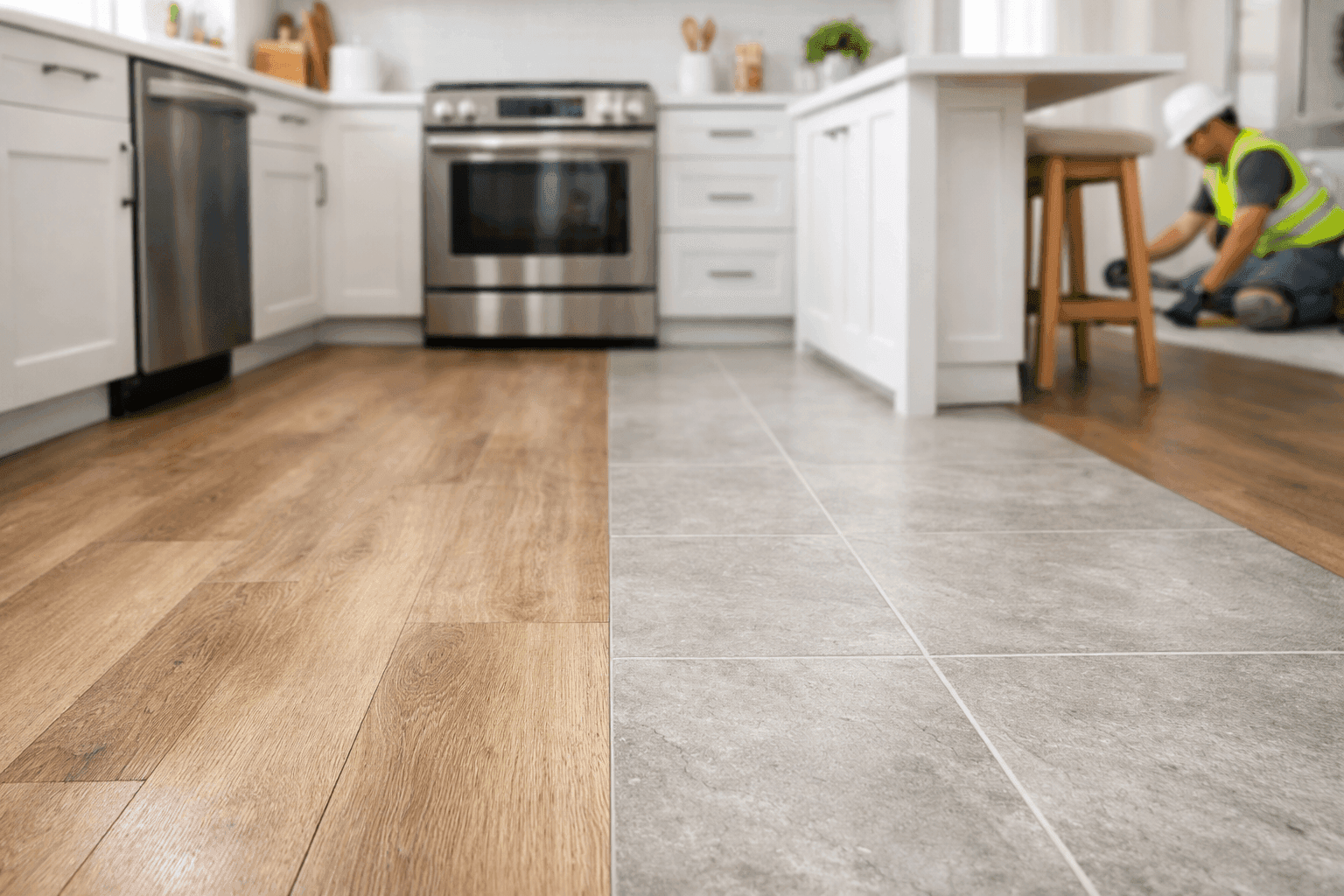
Is your kitchen floor starting to curl at the edges? Or maybe your bathroom tiles feel suspiciously soft underfoot? High-moisture areas like kitchens and baths are battlegrounds for flooring. Water doesn’t just spill—it seeps, hides, and slowly claims unsuspecting floors. At JC Carpet & Flooring, we’ve seen it all. And we know how to fight back.
Choosing the right flooring for these tricky spaces isn't just about style. It's about safety, durability, and keeping your home (and business) healthy. Let’s walk through your options—and how to care for them.
Water Risks: Why Kitchens & Baths Demand Special Flooring 🛁
Water is relentless. Even the tiniest leak or splash can lead to big trouble over time. Here’s what’s at stake in high-moisture zones:
- Warping: Wood and some laminates swell or buckle when wet.
- Mold & Mildew: Moisture trapped under floors creates a playground for unhealthy mold.
- Slip Hazards: Some floors get dangerously slick when wet.
- Rot: Subfloors can deteriorate, undermining the entire structure.
- Odors & Stains: Trapped moisture leads to long-term smells and discoloration.
According to the National Kitchen & Bath Association, water resistance and slip resistance are top priorities for flooring in these spaces. The wrong choice can mean costly repairs down the road—or even health risks.
Flooring Choices That Stand Up to Splash and Steam
Not all floors are created equal when it comes to water. Let’s break down the best options for kitchens, bathrooms, laundry rooms, and other moisture-prone spots.
Luxury Vinyl Plank (LVP)
LVP is like a raincoat for your floor. It’s built in layers, with a tough wear surface over a waterproof core. Modern LVP mimics hardwood and stone, so you don’t sacrifice looks for durability. Benefits:
- 100% waterproof—not just “water-resistant”
- Soft and warm underfoot
- Resists stains, dents, and scratches
- Simple maintenance
Great for busy kitchens and baths. For more, see our Luxury Vinyl Plank (LVP) service page.
Porcelain or Ceramic Tile
Tile is the classic choice for wet rooms. Properly installed, tile is nearly impervious to water. It comes in endless designs, from sleek modern to rustic. Key points:
- Extremely durable
- Easy to clean
- Works well with radiant heating
- Grout must be sealed to prevent leaks and stains
If slip resistance is a concern, look for textured or matte-finish tiles. Learn more on our Tile Flooring page.
Sheet Vinyl
Sheet vinyl is the unsung hero of water battles. Installed in large sheets, it has very few seams for water to sneak through.
- Budget-friendly
- Seamless appearance
- Soft underfoot
- Variety of patterns and colors
Ideal for laundry rooms, basements, and secondary bathrooms.
Waterproof Laminate
Older laminate flooring and water never mixed. But modern waterproof laminates are game-changers. These boards are engineered with special cores and sealed edges.
- Wood-look without the worry
- Quick installation
- Easy to replace damaged planks
Be sure to choose true waterproof—not just “water-resistant”—products.
Installation Tips: Laying the Foundation for Success
Even the best flooring can fail if it’s not installed correctly. Here’s what matters most:
- Subfloor Prep: The subfloor must be dry, smooth, and level. Any cracks or moisture issues should be fixed first. This is especially critical in older homes or after a leak.
- Moisture Barriers: A waterproof membrane or underlayment adds extra protection, especially in basements or slab-on-grade installations.
- Professional Seams & Edges: For sheet vinyl, LVP, and tile, tight seams and well-sealed edges prevent water intrusion.
- Expansion Gaps: Most floors need a small gap at the edges for expansion and contraction, especially in humid climates.
- Grout & Caulk: Proper grout sealing and flexible caulking around tubs, toilets, and sinks keep water where it belongs.
We recommend following manufacturer guidelines and referencing the latest building codes. The International Residential Code (IRC) has specs for moisture-resistant materials in wet areas.
Safety First: Slip Resistance and Mold Prevention
Safety shouldn’t be an afterthought. Wet floors can be hazardous, especially for kids and seniors.
- Choose slip-resistant textures: Look for “DCOF” (Dynamic Coefficient of Friction) ratings on tile—higher is better.
- Keep grout lines small and sealed: This stops water from pooling and mold from taking hold.
- Ventilation matters: Good airflow—think fans and windows—helps floors dry faster.
For commercial spaces, OSHA guidelines highlight the need for non-slip flooring in areas with frequent spills or cleaning.
Maintenance: Keeping Your Floors Fresh and Safe 🧽
Moisture-friendly floors are tough, but they’re not invincible. Protect your investment with simple habits:
- Wipe up spills fast: Don’t let water sit.
- Sweep and mop regularly: Dirt and grit can wear down finishes.
- Use mats and rugs: Place them at sinks, showers, and entryways.
- Check for leaks: Under sinks, around toilets, and near appliances.
- Seal grout annually: This keeps tile installations watertight.
Avoid harsh cleaners—stick to products recommended by the flooring manufacturer.
Common Mistakes to Avoid
Even experienced DIYers stumble in high-moisture areas. Watch out for these pitfalls:
- Skipping moisture testing: Concrete subfloors can hold hidden water.
- Poor sealing: Especially at seams, transitions, and around plumbing.
- Cheap adhesives: Not all glues are made for wet environments.
- Ignoring expansion needs: Tight floors can buckle with humidity swings.
When in doubt, consult a flooring professional.
DIY or Call a Pro? Knowing When to Ask for Help
Some projects are perfect for a weekend warrior. Others—especially where water is involved—are best left to the pros. Call for help if:
- You’re unsure about subfloor condition
- There’s visible mold or water damage
- The area is large or commercial
- Code compliance is required
A good installer will check for hidden issues and make sure your new floor lasts.
Prevention & Maintenance: The Long Game
Don’t wait for disaster. Set a maintenance schedule:
- Inspect caulk and grout every six months.
- Clean up water right away.
- Run exhaust fans during and after showers.
- Check appliances and plumbing for leaks.
A little vigilance goes a long way toward protecting your floors—and your investment.
Signs of Trouble: When to Act Fast
Sometimes the signs are subtle. Here’s what to watch for:
- Warping, buckling, or lifting
- Spongy or soft spots
- Discoloration or staining
- Musty odors
- Cracked or missing grout
If you notice these, address them immediately to prevent bigger headaches.
Timeline & Disruption: What to Expect
Replacing or installing high-moisture flooring isn’t an overnight project. Here’s a rough idea:
- Removal and prep: 1–2 days
- Installation: 1–3 days, depending on material and area size
- Cure time: Some products need 24–48 hours before heavy use
Plan for a little dust, noise, and restricted access. But the result? Peace of mind and a great-looking space.
FAQ: Flooring in Wet Spaces
Q: Can I put hardwood in a kitchen or bath?
A: Solid hardwood is not recommended for wet areas. Consider engineered hardwood with waterproof cores, or use LVP for the look without the risk.
Q: How do I prevent mold under my floors?
A: Ensure proper installation, use moisture barriers, and maintain good ventilation.
Q: Is radiant heat safe with waterproof floors?
A: Most tile and LVP products are compatible, but always check manufacturer specs.
Costs & Value: Investing Wisely
Waterproof flooring may cost a little more up front, but it pays back in durability and peace of mind. Expect to pay:
- Sheet vinyl: budget-friendly
- LVP: moderate
- Tile: moderate to high, depending on design
- Waterproof laminate: moderate
Factor in professional installation for longest life.
Floor Inspections: Catching Problems Early
Annual or pre-renovation floor inspections can save you thousands. Pros check for:
- Hidden leaks
- Subfloor rot
- Mold or mildew
- Failing seals
Consider this a health checkup for your home or business.
Flooring Company Near You: Why JC Carpet & Flooring?
If you’re searching for reliable flooring services near you, JC Carpet & Flooring brings decades of hands-on experience with water-resistant floors. We help residential and commercial clients choose and care for the right materials—built to last.
To learn more about our local services, visit our flooring company page.
Final Thoughts: Choose Wisely—Care Diligently
Water is patient. The right flooring stands up to the challenge, but only if installed and maintained with care. Whether you’re remodeling a steamy bathroom or updating a busy kitchen, prioritize waterproof materials, safe textures, and regular upkeep. Your floors—and family—will thank you.
Call JC Carpet & Flooring now — or reach us anytime at 855-557-1115 .