Flooring Removal: What to Expect and How to Prepare
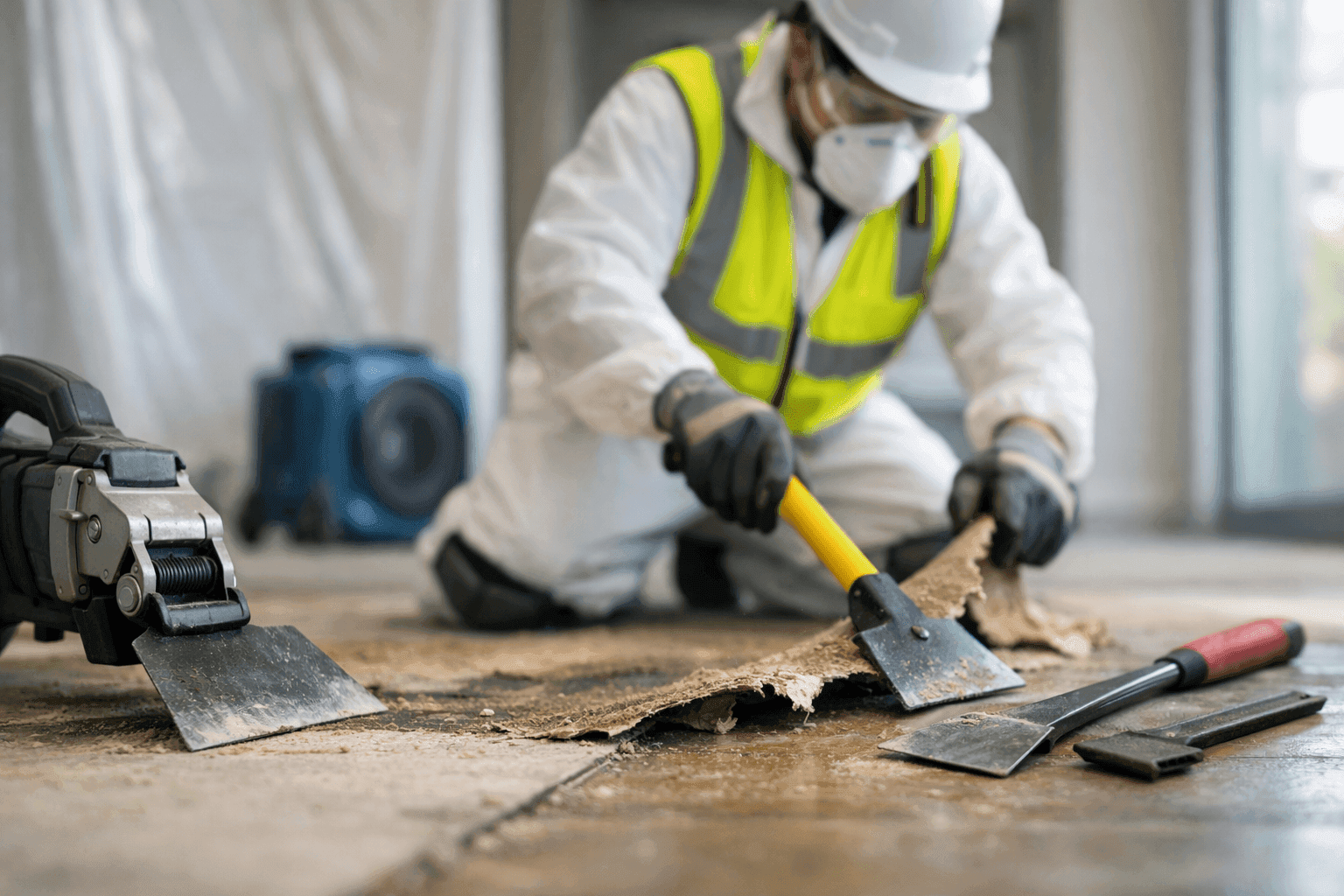
When the time comes to refresh your floors, it can feel like you’re standing at the edge of a big project. Maybe your carpet’s seen better days, or your hardwood’s lost its shine. At JC Carpet & Flooring, we get it—flooring removal is a big step, but it’s also the first move toward a brighter, cleaner space.
This guide will walk you through what to expect, how to prepare, and how to make your flooring removal as stress-free as possible.
Why Remove Old Flooring? 🏡
Old flooring isn’t just about looks. It can hide issues like mold, moisture damage, or squeaky boards. Sometimes, it’s just time for a change—a new style or a healthier, more comfortable environment. Here are a few reasons you might need flooring removal:
- Damage: Water, stains, and daily wear can leave floors beyond repair.
- Upgrading: Modern options like luxury vinyl plank or eco-friendly bamboo can transform a space.
- Health: Worn carpet can trap dust and allergens, affecting air quality.
- Preparation for New Floors: A clean slate is crucial for installing any new surface, from tile to laminate.
Flooring Removal Methods
No two floors come up the same way. The removal process depends on the material and how it was installed:
- Carpet: Usually rolled up and cut into sections for easier handling.
- Tile: Broken up with specialized tools, often noisy and dusty.
- Hardwood: Planks are pried up, sometimes salvaged for reuse.
- Vinyl or Laminate: Pulled up in sheets or planks, with adhesives sometimes requiring extra effort.
Professional crews use heavy-duty equipment like floor scrapers, pry bars, and sometimes even industrial vacuums. For stubborn adhesives or old underlayment, solvents or mechanical grinders might be needed. It's not just about muscle—it's knowing how to minimize damage to the subfloor and keep the process safe.
Quick Safety Checklist
Before any work starts, safety comes first. Here’s a rundown:
- Personal Protective Equipment (PPE): Eye protection, gloves, dust masks, and sturdy shoes.
- Ventilation: Open windows and use fans—removals can stir up dust and fumes.
- Electricity: Make sure power tools are grounded and cords aren’t tripping hazards.
- Lead or Asbestos: If your home predates 1980, the old flooring may contain hazardous materials. Consult EPA guidelines and never disturb suspected materials—call a pro.
DIY vs. Call a Pro
It’s tempting to grab a crowbar and start pulling. For small rooms or thin carpet, DIY is doable. But for tile, hardwood, or glued-down vinyl, professional help is a safer bet. Here’s why:
- Time: Pros can finish in hours what takes DIYers days.
- Equipment: Specialized tools prevent damage to your subfloor.
- Disposal: Removal creates lots of waste—pros haul it away for you.
- Code Compliance: Licensed contractors know local codes and can spot hidden issues.
Remember, improper removal can lead to costly repairs down the line. Sometimes, hiring a skilled flooring contractor is the wisest investment.
What Pros Do On Arrival
Expect a walk-through. JC Carpet & Flooring will assess your floors, check for trouble spots, and explain the removal process. We’ll:
- Move or advise on moving furniture.
- Protect surrounding areas with plastic sheeting.
- Confirm material types and inspect for hazardous substances.
- Review the plan, so there are no surprises.
Preparing Your Space 🧹
A little prep goes a long way. Here’s how to get ready:
- Clear the Area: Remove furniture, drapes, and decor.
- Unplug Electronics: Keep cords and devices out of the way.
- Plan for Pets and Kids: Removal is noisy—arrange for them to be elsewhere.
- Secure Valuables: Vibrations can shake shelves or wall art loose.
For large jobs, talk to your flooring team about temporary storage or protective coverings for adjacent rooms.
Timeline & Disruption
Every project is different. Most residential rooms can be cleared in a day. Larger commercial spaces or multiple rooms may take longer. Factors that affect the timeline:
- Floor type and installation method
- Room size and layout
- Hidden repairs or moisture issues
Expect some noise, vibration, and dust. The upside? Once removal is done, you’re one big step closer to beautiful new floors.
Costs & Time Factors
Pricing depends on square footage, flooring type, and any special challenges (like asbestos abatement or subfloor repair). The best way to get an accurate estimate is through a professional flooring consultation. Ask for a breakdown of labor, disposal, and any additional services like subfloor leveling.
When It’s an Emergency
Flooding, leaks, or sudden damage can make flooring removal urgent. Quick action prevents further issues like mold or structural damage. Don’t wait—call for Floor Repair if you notice:
- Warping or buckling boards
- Soft spots underfoot
- Persistent odors after water damage
Common Mistakes to Avoid
Rushing the job or skipping prep can cause headaches. Watch out for:
- Leaving nails or staples behind—these can damage new floors.
- Ignoring hidden moisture—this leads to future problems.
- Not checking for hazardous materials first.
- Improper disposal—many materials have special recycling or landfill rules.
Materials and Equipment You’ll See
Pros show up with more than just a hammer and a smile. Typical tools include:
- Floor scrapers and pry bars
- Heavy-duty trash bins
- Shop vacuums and dust containment gear
- Knee pads (removal is tough on the joints)
- Power tools for stubborn adhesives
Signs of Trouble Under the Surface
During removal, your team may uncover:
- Rotten or moldy subfloors
- Cracks in concrete
- Pest damage
- Uneven surfaces needing leveling
These surprises can be handled by skilled flooring specialists, often with repairs or moisture barriers before new installation.
Prevention & Maintenance After Removal
Once your old flooring is up, it’s the perfect time for prevention:
- Inspect and repair the subfloor.
- Install moisture barriers, especially in basements.
- Consider soundproofing solutions for multi-story buildings.
- Schedule regular maintenance to keep your new floors looking fresh.
Post-Removal Cleanup 🧽
No one likes leftover mess. At JC Carpet & Flooring, cleanup means:
- Bagging and removing all debris
- Sweeping and vacuuming dust
- Inspecting the subfloor for stray staples or nails
- Preparing the surface for your next flooring choice
A clean workspace means a faster, smoother installation—and a more comfortable experience for you.
FAQ: Your Flooring Removal Questions Answered
Q: How long does the process take?
A: Most single rooms take a few hours; whole homes or offices may need a day or more.
Q: Will there be a lot of dust?
A: Some dust is unavoidable, but pros use containment systems to minimize spread.
Q: Can I stay in my home during removal?
A: Yes, but expect noise and some disruption. Sensitive individuals or pets may need alternative arrangements.
Q: Is it safe to remove old flooring myself?
A: For some materials, yes—but always check for asbestos or lead, especially in older buildings.
Seasonal Considerations
Weather can impact the process. In humid or wet seasons, drying times for adhesives or repairs may be longer. Cold weather can make removal trickier for some materials. Plan your project with the season in mind for best results.
Flooring Removal Is the First Step to New Beginnings
Tearing out the old makes room for something better. Whether you’re upgrading to radiant floor heating, durable epoxy, or plush carpet, proper removal sets the stage for success.
Ready to start? For Residential Flooring near you, JC Carpet & Flooring is here to guide you every step of the way.
Call JC Carpet & Flooring now — or reach us anytime at 855-557-1115 .