Garage Flooring Solutions: From Epoxy to Interlocking Tiles
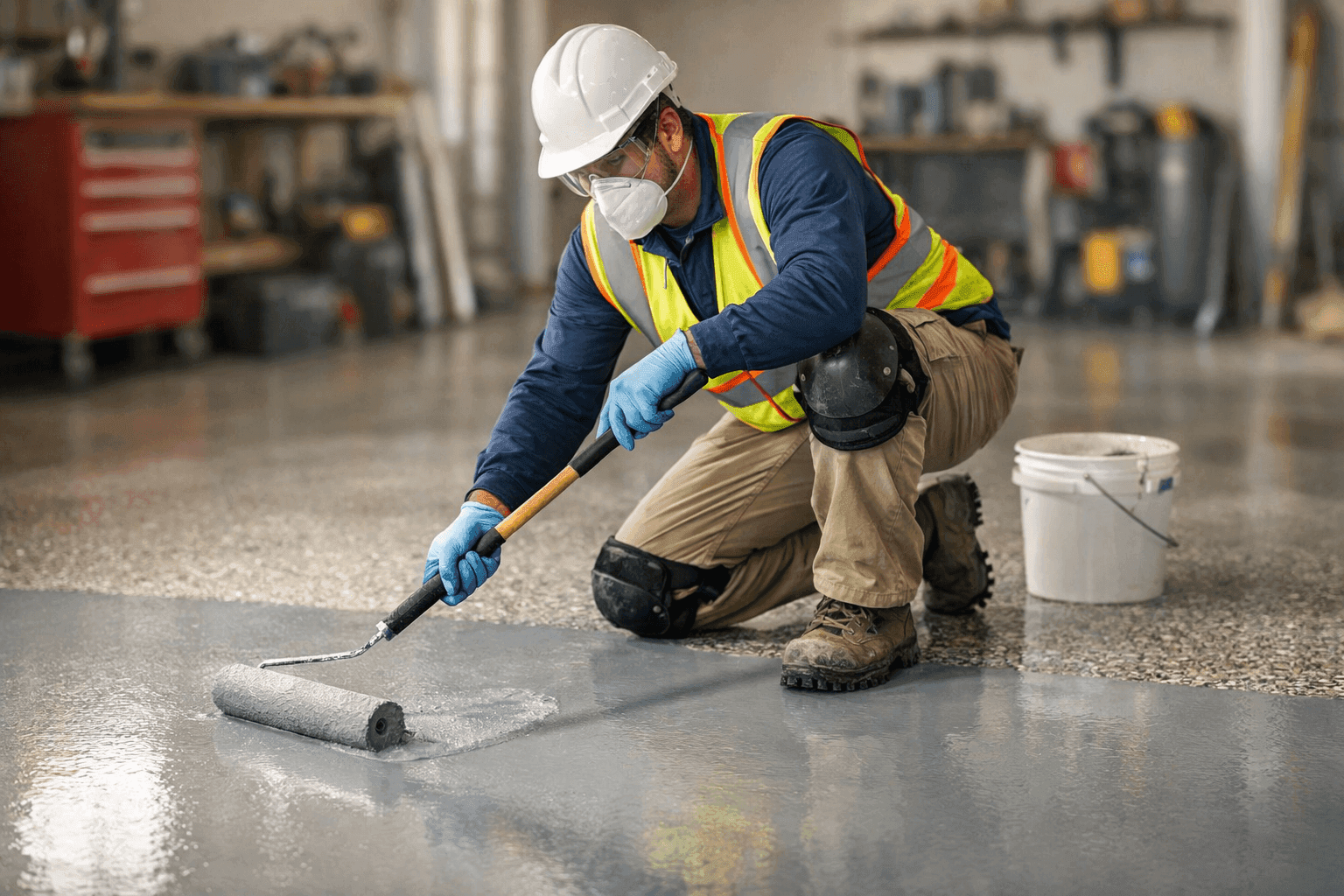
Is your garage more than just a parking spot? Maybe it’s your workshop, home gym, or storage central. No matter what you use it for, the floor takes a beating—oil drips, muddy boots, dropped tools, and heavy vehicles. Over time, bare concrete cracks, stains, and starts to look tired.
At JC Carpet & Flooring, we understand the challenge. We’ve seen garages transform from dusty, slippery hazards to clean, safe, and beautiful spaces. Let’s break down your options—so you can pick a garage floor that stands up to real life.
Garage Flooring Options
You’re not stuck with dull gray concrete. Today’s garage flooring choices offer serious upgrades in durability, looks, and comfort. The three most popular solutions:
- Epoxy Coatings: A liquid-applied, super-strong surface that bonds to concrete. It’s glossy, tough, and resistant to chemicals.
- Interlocking Tiles: Snap-together tiles made from plastic or rubber. Easy to customize, easy to replace, and available in bold colors or classic tones.
- Concrete Sealants: Clear or tinted coatings that protect the concrete from stains and minor moisture. A lighter-duty but cost-effective option.
Each type suits different needs. Think about how you use your garage, the climate, and the level of protection you want.
Durability and Safety: How Tough is Each Type? 🏋️
Garages see everything from leaky cars to salt from winter roads. Durability isn’t just about how long the floor lasts—it’s about safety, too.
- Epoxy coatings resist oil, gasoline, and tire marks. Their smooth finish is easy to clean, but can be slippery when wet. Look for options with anti-slip additives for extra grip.
- Interlocking tiles cushion dropped tools and create traction, even when it’s rainy or snowy outside. The best types won’t crack under heavy vehicle weight.
- Concrete sealants protect against spills and dust, but won’t hide cracks or prevent long-term wear if you’re moving heavy equipment.
For commercial garages or busy households, tougher is better. Residential Flooring near you may see less abuse, but choosing safety-first products is always smart.
The Installation Process: What to Expect
Installing a new garage floor isn’t just about slapping on a coat of paint. Here’s how it really goes:
- Preparation: The pros start by cleaning and repairing the concrete. Dust, oil, and old coatings must go. Cracks and holes get patched.
- Epoxy application: Epoxy comes in two parts—resin and hardener. Timing is everything. Once mixed, it’s rolled on quickly, sometimes with colored flakes for grip and style. It cures for several days.
- Interlocking tiles: The floor gets swept and leveled. Tiles snap together without glue. You can drive on them the same day.
- Sealant: Applied with a roller, it dries within 24 hours. The surface is walkable sooner, but give it time before parking.
DIY is possible for tiles and sealants, but epoxy is less forgiving. Mistakes can mean peeling or bubbling that’s costly to fix down the line.
Maintenance and Care
A great garage floor is low-maintenance—but not no-maintenance.
- Epoxy: Sweep often. Mop up spills right away. Use mild soap and water—no harsh chemicals. Avoid dragging metal tools or jacks across the surface.
- Interlocking tiles: Remove and rinse tiles if needed. Replace a damaged one in seconds. Vacuum dirt from textured surfaces.
- Sealants: Reapply every couple of years, especially in high-traffic zones.
Keep an eye out for cracks, peeling, or color changes. Early fixes prevent bigger headaches.
Safety Checklist for Your Garage Floor
Before you start work—or hire a pro—run through this quick safety list:
- Is the concrete clean, dry, and free of major cracks?
- Do you need anti-slip surfaces for kids, pets, or rainy weather?
- Are there local building codes or fire safety rules about flooring materials? (Check with your city’s building department or consult the International Residential Code for guidance.)
- Will you need moisture barriers or extra prep for older concrete?
A safe floor isn’t just about products—it’s about prep and planning.
DIY vs. Professional Installation
Some garage flooring projects are weekend-ready. Others call for a practiced hand.
- Go DIY for interlocking tiles and simple sealants if you’re comfortable with basic tools and careful measurements.
- Call a pro for epoxy coatings, major concrete repairs, or if you want a seamless, long-lasting finish with zero guesswork.
Professionals bring commercial-grade products, powerful prep equipment, and years of experience. At JC Carpet & Flooring, we make sure the job’s done right—from surface prep to final shine.
What Happens When the Pros Arrive?
Expect a walk-through first. We’ll ask about your garage’s use: Do you park cars? Store bikes? Run a home business? Then:
- We inspect the concrete for cracks, moisture, and previous coatings.
- We explain your options and show real-life samples.
- We prep the surface—sometimes grinding or etching for best adhesion.
- We apply your chosen flooring and walk you through care and cleaning.
The result? A tailored solution that fits your real needs, not just a showroom look.
Preventing Common Garage Floor Problems
The best way to fix a damaged floor? Avoid the damage in the first place.
- Seal cracks as soon as they appear—water and salt can make them worse.
- Install moisture barriers in basements and damp areas.
- Use mats or trays under leaky vehicles or equipment.
- Sweep regularly to prevent grit from scratching the surface.
A little prevention goes a long way to keeping your investment looking sharp.
Costs and Time Factors
Budget matters. Here’s what to expect:
- Epoxy coatings: Higher up-front cost, but lasts for years with minimal upkeep. Most jobs take 2–3 days with curing.
- Interlocking tiles: Mid-range price. Fast install. Tiles can be swapped out individually if damaged.
- Sealants: Most affordable. Easy to refresh, but will need reapplication sooner.
Ask for a detailed quote—including prep, materials, and post-install cleanup.
When Garage Flooring Becomes Urgent
Sometimes, waiting isn’t an option. Call for help if:
- The floor is slick and someone slips.
- Major cracks or heaving make the surface uneven.
- Water seeps in after rain or snow.
- The garage smells musty—signs of mold or trapped moisture.
Safety always comes first. Don’t wait if your garage floor is a hazard.
FAQ: Garage Flooring Edition
How long does epoxy last?
A professionally installed epoxy floor can last 10-20 years, depending on use and care.
Can I put tiles over a cracked floor?
Small cracks, yes. Big ones should be repaired first for a smooth, safe finish.
Is garage flooring eco-friendly?
Some options, like recycled plastic tiles or low-VOC epoxy, are better for the environment. Ask about green solutions.
Does color matter?
Lighter colors show dirt but make the space feel bigger. Darker shades hide stains but may feel warmer.
Seasonal Considerations
Winter salt and summer humidity can both damage your garage floor. Choose products designed for your climate. In cold areas, epoxy and tiles stand up to freeze-thaw cycles. In hot, humid climates, moisture barriers are key.
Timeline & Disruption: What to Expect
Most garage flooring projects wrap up in 1–3 days. Plan to keep cars and gear out of the space while the floor cures. A little patience pays off with a flawless finish.
Materials & Equipment: Behind the Scenes
Professionals use commercial-grade cleaners, grinders, and vacuums for prep. High-quality epoxy and tile systems meet ASTM standards for slip resistance and durability. Always ask about the products used on your project.
Signs Your Garage Floor Needs an Upgrade
- Stains that won’t budge
- Cracks getting larger
- Pitting or flaking concrete
- Slippery spots after cleaning
- The garage smells damp or musty
If you see these, it’s time to act.
Flooring Removal & Subfloor Repair
Sometimes, the old floor has to go. Professional removal ensures safe disposal and a clean slate for your new system. If the subfloor is damaged, repairs happen before new flooring goes down—no shortcuts.
Internal Link: Local Experts
Residents in the area can learn more about available Garage Flooring solutions from our team.
Ready for a Garage You'll Love?
A good garage floor does more than look sharp. It stands up to life—rain, road salt, tool drops, and all the mess you throw at it. Whether you go for the industrial gloss of epoxy, the practicality of interlocking tiles, or a simple sealant, choosing the right flooring transforms your space.
Got questions? Thinking about a new look? Call JC Carpet & Flooring now — or reach us anytime at 855-557-1115 .