How Floor Sanding Restores Old Wood Floors
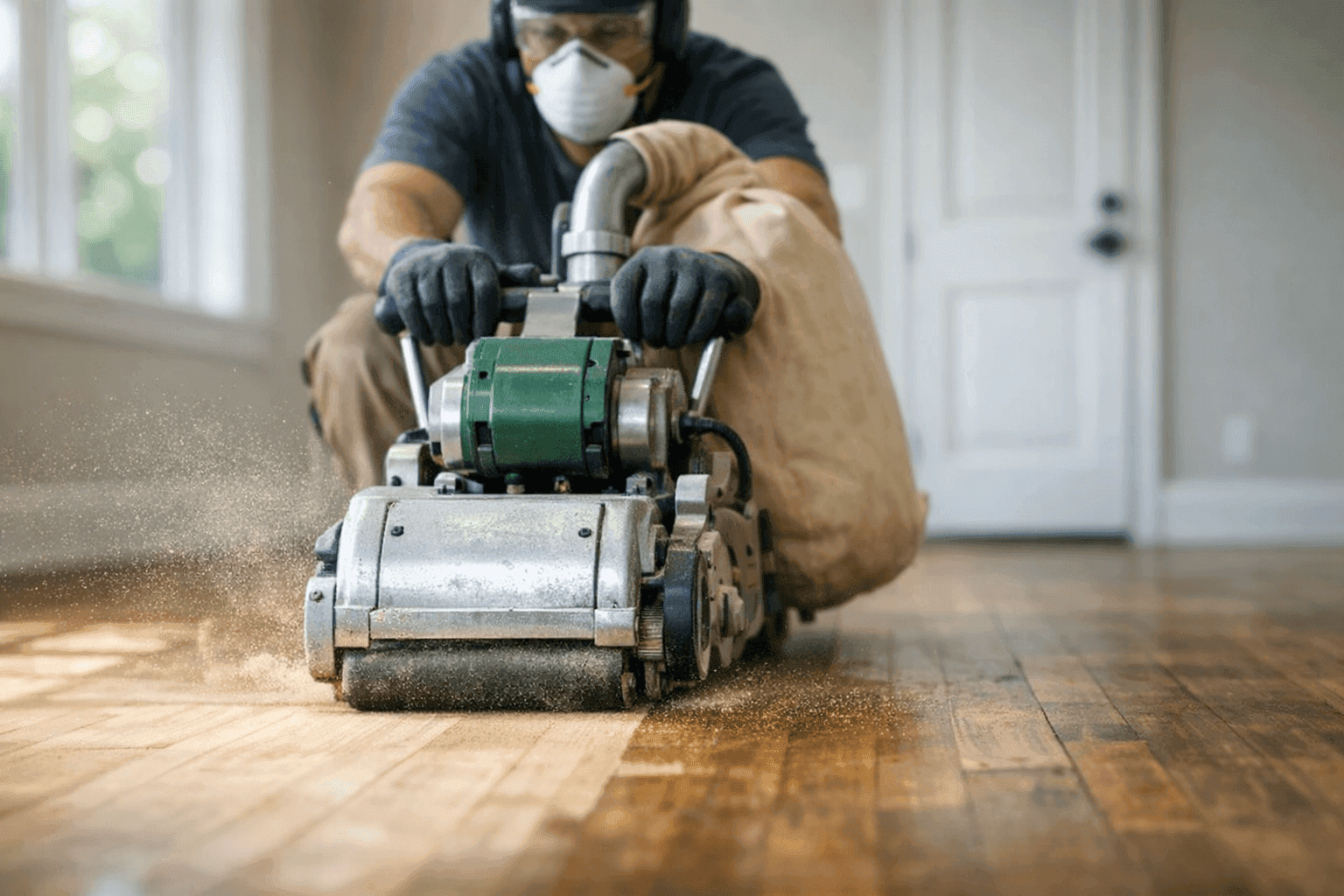
Old wood floors tell a story. Every scuff and scratch marks another year of family gatherings, muddy shoes, or quiet mornings. But when the charm fades into deep gouges or splinters, what then? Don’t rip out history. Restore it.
At JC Carpet & Flooring, we help homeowners and businesses rescue hardwood floors from the brink—breathing new life into tired planks through professional floor sanding. This isn’t just about looks. It’s about safety, value, and making the most of what you already have.
When to Sand: Signs Your Floors Need a Refresh 🪵
How do you know when your hardwood needs sanding? Here are some telltale signs:
- Deep scratches or dents that catch your sock.
- Stubborn stains that cleaning can't lift.
- Splintering, warped, or uneven planks.
- Dull, faded, or patchy finish.
- Squeaks or soft spots from worn-down wood.
If you spot any of these, sanding can be the difference between a costly replacement and a stunning revival. The National Wood Flooring Association recommends sanding when finish is worn through or major damage is visible.
The Floor Sanding Process: Step by Step
Sanding a wood floor is like peeling layers off an onion—removing years of wear to reveal smooth, fresh wood underneath. Here’s how professionals tackle the job:
- Inspection and Prep: We carefully inspect for nails, staples, and loose boards. Furniture is moved out and the area secured.
- Rough Sanding: Using a drum or belt sander, we start with coarse grit to remove old finish and deep scratches.
- Edge Sanding: Specialized edge sanders reach corners and along walls where big machines can’t go.
- Fine Sanding: Progressively finer grits smooth the surface, prepping it for finish.
- Vacuuming and Dust Control: State-of-the-art vacuums and dust shrouds keep particles contained.
- Staining (Optional): Custom color stains can be applied for a fresh look.
- Sealing and Finishing: Durable sealers and polyurethane protect the new surface for years.
Each step matters. Skipping stages can leave floors uneven or patchy.
Why Dust Control Matters During Sanding
Fine dust is the enemy of both your lungs and your furniture. That’s why JC Carpet & Flooring uses professional-grade dust containment systems and HEPA filters. According to OSHA guidelines, minimizing airborne dust is critical for indoor air quality and safety.
Pro tip: Seal off adjacent rooms with plastic sheeting before sanding begins. Even the best equipment can’t catch every speck.
DIY vs. Call a Pro: What’s Right for Your Project?
Renting a sander from the hardware store might seem tempting. But floor sanding is not a typical weekend project. Here’s why:
- Skill: Sanding unevenly can ruin a floor—fast.
- Equipment: Professional sanders are heavier, faster, and catch more dust.
- Time: DIY jobs often take much longer and may need correction.
If you value your floors, trust flooring specialists with the right tools and experience. It saves headaches—and sometimes, the floor itself.
What Pros Do On Arrival
When you schedule floor-sanding with JC Carpet & Flooring, here’s what to expect:
- Detailed inspection and moisture testing.
- Discussion of finish and color options.
- Floor protection for adjacent areas.
- Safety checks for electrical outlets and ventilation.
- Clear communication about the timeline and what you’ll need to do.
Safety First: A Quick Checklist 🦺
- Remove all furniture, rugs, and breakables from the room.
- Turn off HVAC systems to prevent dust migration.
- Keep pets and children away from the work zone.
- Ensure proper ventilation—open windows when possible.
Following these steps keeps your home (and those who live in it) safe throughout the process.
When Floor Sanding Is an Emergency
Sometimes, sanding can’t wait. Flooded floors, pet accidents, or sudden damage from heavy furniture can all require urgent attention. If your hardwood is buckling or has developed mold, immediate action is needed to prevent further harm.
Before & After: The Transformation
Imagine your floor as a faded photograph—dull, scratched, and lifeless. Now, picture it after sanding: rich color, smooth as glass, and shining with a renewed finish. Sanding doesn’t just cover up flaws. It erases years of damage, restoring beauty and function.
Benefits after sanding:
- Safer surface—no more splinters or trip hazards.
- Improved light reflection, making rooms appear larger.
- Increased property value and curb appeal.
- Fresh start for new finishes, stains, or sealants.
Maintenance After Sanding: Keeping Floors Beautiful
A newly sanded floor is like a new car. It needs care to stay beautiful. Here’s how:
- Place soft pads under furniture legs.
- Sweep or vacuum regularly with a soft-bristle attachment.
- Wipe up spills immediately.
- Use entry mats to catch dirt and grit.
- Reapply protective finish every few years, as recommended by the finish manufacturer.
Routine cleaning is vital—avoid harsh chemicals that can dull the finish.
Common Mistakes to Avoid
- Using the wrong sandpaper grit and leaving visible scratches.
- Skipping edge sanding, resulting in uneven color.
- Rushing between sanding passes (patience pays off).
- Neglecting to clean up dust before finishing.
Each mistake can leave permanent marks, so attention to detail is everything.
Costs & Time: What to Expect
Most residential flooring near you can be sanded in one to three days, depending on size and condition. Commercial spaces may take longer due to square footage or traffic.
Variables that affect cost and timeline:
- Floor size and condition.
- Number of rooms or levels.
- Type and number of finishes applied.
A reputable flooring contractor will provide a clear, written estimate up front.
Timeline & Disruption: How Long Will It Take?
For an average living room, expect:
- Day 1: Prep and rough sanding.
- Day 2: Fine sanding and stain (if desired).
- Day 3: Finish coats and drying.
You’ll need to stay off the floor until finishes cure—usually 24 to 48 hours. Plan ahead for pets, children, or business operations.
Seasonal Considerations: When Is Best to Sand Floors?
Humidity and temperature affect drying times for finishes. Spring and fall are ideal, but with proper climate control, sanding can be done year-round.
Tip: Avoid scheduling during extreme weather or major home renovations.
FAQ: Your Floor Sanding Questions Answered
How often can hardwood floors be sanded?
Most solid hardwood floors can be sanded 4–6 times in their lifetime, depending on plank thickness.
Can engineered wood be sanded?
Some engineered floors can be sanded once or twice—check manufacturer specs.
Will sanding fix squeaky floors?
Sanding smooths the surface but squeaks may require subfloor repair.
Is it safe for pets or children?
Keep them out of the area until all finishes have fully cured.
Floor Sanding for Commercial Spaces
Businesses benefit, too. Sanding high-traffic areas in offices, retail, or hospitality settings can dramatically improve safety and appearance. Ask about after-hours scheduling to minimize downtime.
Why Not Just Replace the Floor?
Replacement is like tearing out a chapter of your building’s story. Sanding preserves history, reduces waste, and often costs far less. It’s the sustainable, sensible choice.
Prevention: Protecting Your Investment
After sanding, prevention is key:
- Use area rugs in busy zones.
- Maintain a stable indoor climate to prevent wood movement.
- Schedule periodic Hardwood Flooring for early warning on wear.
Floor Sanding in Your Community
If you’re searching for reliable flooring services, our team is proud to support homes and businesses across the region. See why so many trust us for flooring that lasts.
Ready to See Your Floors Shine Again?
Don’t wait for splinters or stains to take over. Breathe new life into your hardwood with professional sanding from JC Carpet & Flooring. Let’s restore the beauty and safety of your space—one plank at a time.
Call JC Carpet & Flooring now — or reach us anytime at 855-557-1115 .