How to Budget for a Flooring Project: Costs Explained
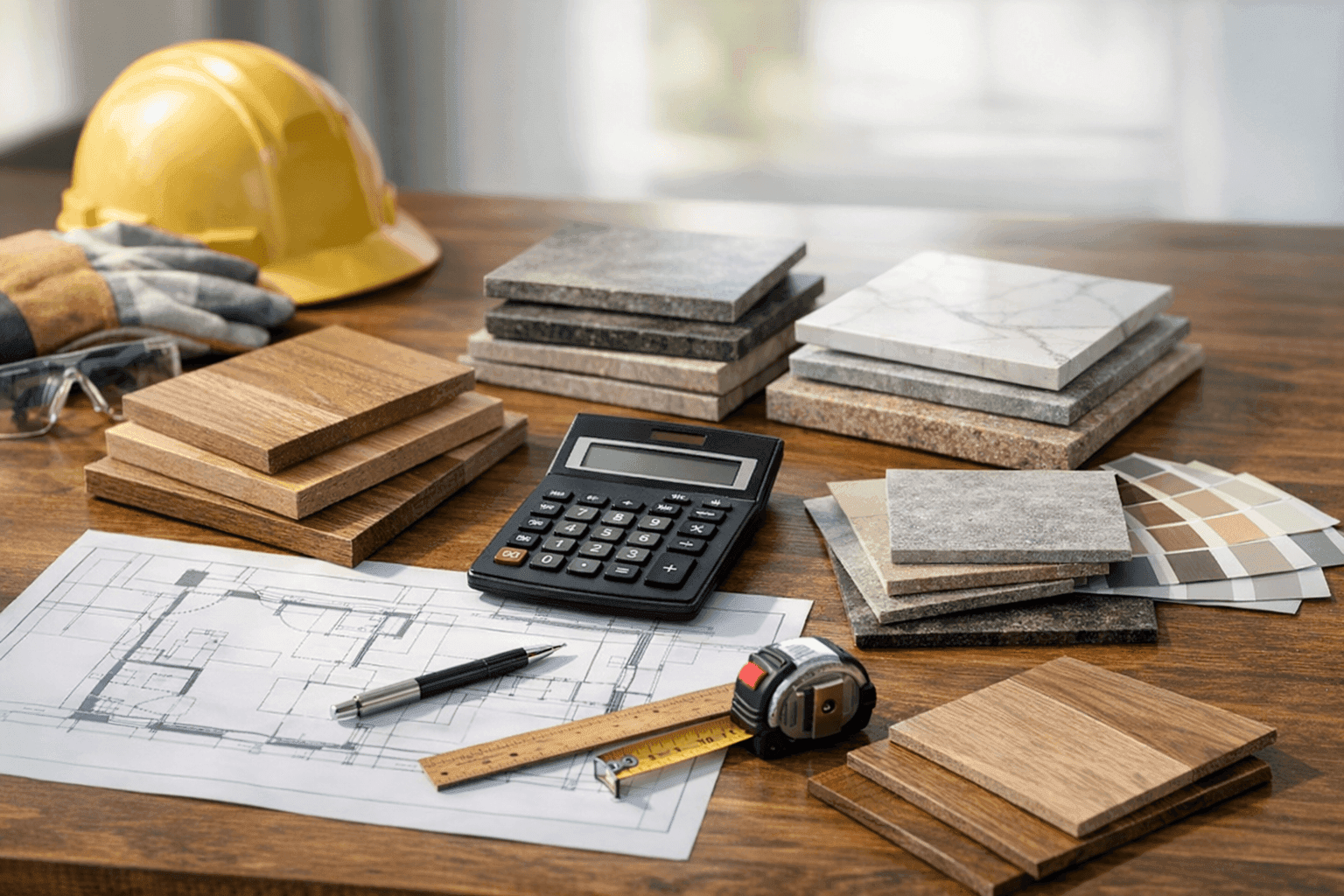
Flooring projects can feel a lot like trying to put together a puzzle—only you don’t get the picture on the box. Between materials, prep, and labor, it’s easy for costs to sneak up on you. That’s why JC Carpet & Flooring is here to help you budget with eyes wide open, not just hope for the best.
You want a beautiful floor without a bottomless pit in your wallet. We get it. As seasoned flooring specialists, we’ve seen every scenario under the sun. This post walks you through what actually affects flooring costs and how to plan your project the smart way.
What Really Drives Flooring Project Costs?
Every flooring project is unique. Still, a handful of factors shape most budgets, whether you’re updating a cozy living room or upgrading a sprawling office.
- Material Choice: Hardwood, luxury vinyl plank, tile, carpet, epoxy—each has its own price range. Think of it like choosing between a bike and a car for your commute: both get you there, but the ride feels (and costs) very different.
- Square Footage: The size of your space is the biggest lever. More area = more material, more labor, higher cost.
- Subfloor Condition: If your foundation isn’t flat or stable, extra work (and cost) comes into play. Subfloor repairs or leveling are common when replacing old flooring.
- Preparation & Removal: Removing existing floors, hauling away debris, and prepping the surface can add to your tab. Some materials, like old tile or glued-down carpet, require more elbow grease.
- Finish & Detailing: Want intricate patterns, borders, or custom stains? Specialized finishes and designs typically mean higher labor fees.
- Add-Ons: Moisture barriers, soundproofing, or radiant floor heating are valuable upgrades but do affect the final bill.
Hidden Expenses to Watch Out For 👀
It’s the costs you don’t see at first that often sting the most. Here are some “surprise” expenses our team sees most often:
- Furniture Moving: Clearing rooms takes time and care, especially for heavy or fragile pieces.
- Disposal Fees: Old flooring, adhesives, and underlayment must be disposed of properly—sometimes at a cost.
- Permits or Inspections: Some municipalities require permits, especially for commercial spaces or major renovations. Always check your local building codes.
- Moisture Testing: Moisture can destroy wood floors or cause adhesives to fail. Testing upfront is a small price compared to repairs later.
- Transition Strips & Trim: Doorways, stairs, and room transitions often need extra trim or custom work.
Materials: The Heart of Your Budget
Flooring materials vary as much as car models on a dealership lot. Here’s how some of the most popular choices compare:
- Luxury Vinyl Plank (LVP) & Luxury Vinyl Tile (LVT): Durable, versatile, and cost-effective for most budgets.
- Hardwood: Timeless look, but material and installation costs add up. Refinishing old hardwood can be a smart, cost-saving move.
- Tile: Great for high-moisture areas like bathrooms or kitchens. Budget for both materials and skilled labor.
- Carpet: Affordable upfront, with a wide range of styles and qualities.
- Epoxy & Concrete: Ideal for garages, basements, or commercial spaces. Prep work is key.
- Eco-Friendly Options: Bamboo, cork, and other green materials are becoming more popular. They range in price but can be worth it for sustainability.
The best material for your space depends on budget, use, and style. For tailored advice, consider a flooring consultation to weigh all your options.
Labor: More Than Just Time on Site
Labor is often the second-largest slice of your budget pie—sometimes more than materials. Why? Flooring installation is skilled work. Cutting, fitting, and finishing require experience, and tricky areas (like stairs or corners) take longer.
Other factors that affect labor costs:
- Job Complexity: Simple open rooms are faster and cheaper than complex layouts.
- Flooring Removal: Pulling up old tile, glued-down carpet, or multiple layers takes time and effort.
- Prep Work: Leveling, patching, or repairing subfloors can add days to the schedule.
Curious what’s included? At JC Carpet & Flooring, our quotes outline every step—so you’re never left guessing.
Prep & Removal: The Forgotten Step
Before your new floors go in, old ones must come out. This isn’t as simple as rolling up a rug. Some floors are glued, nailed, or even embedded in concrete. Removal can reveal unexpected surprises, such as hidden mold or damaged subfloors.
If you’ve got existing flooring, ask about flooring removal during your estimate. It’s better to plan for this upfront than scramble mid-project.
Subfloor Surprises: What Lies Beneath
Think of your subfloor like the foundation of a house. If it’s not solid, nothing else matters. Subfloor repairs or leveling can be a curveball, especially in older homes or basements.
- Squeaks & Dips: Often mean loose or damaged boards.
- Moisture Issues: Can compromise certain materials and adhesives.
- Previous Water Damage: May require replacement sections.
A thorough inspection is worth every penny. Uncovering these issues before starting helps prevent budget overruns.
Finishes, Patterns, and Extras
Want a herringbone design? Or custom-stained hardwood? These details set your floor apart, but they also take more time and skill.
- Borders & Inlays: Create a high-end look, but increase labor costs.
- Special Finishes: Matte, gloss, hand-scraped, or wire-brushed—each has a different price tag.
- Radiant Heating: Adds comfort and value, especially in bathrooms or basements.
Decide which extras are “nice to have” versus “must have.” This can help control costs.
Safety & Code Considerations
Flooring isn’t just about looks. Safety matters, too. For example, the National Wood Flooring Association and OSHA both have guidelines on proper installation and jobsite safety.
- Slip Resistance: Especially important for commercial spaces, bathrooms, or decks.
- Fire Codes: Some flooring must meet specific standards, especially in multi-family or commercial buildings.
- Ventilation During Install: Especially for adhesives and finishes that emit fumes.
A reputable flooring company will always follow safety codes and regulations.
How to Compare Flooring Quotes
Not all quotes are created equal. Here’s how to read between the lines:
- What’s Included? Is removal, disposal, and prep work in the total?
- Material Brands/Grades: Are you comparing apples to apples, or apples to oranges?
- Labor Scope: Does it include moving furniture? Special transitions? Cleanup?
- Payment Schedule: Beware of large upfront deposits.
- Timeline: Is the expected duration reasonable for your project size?
Ask questions. A transparent contractor won’t hesitate to explain every line item.
Seasonal Timing: Does It Matter?
Yes! Flooring demand often peaks in spring and fall. Scheduling during off-peak months can save you money and minimize wait times.
- Humidity & Temperature: Some materials, like hardwood, install best at certain times of year. Too much moisture or cold can cause issues.
- Holidays & Events: Plan ahead if you need your space ready for a special occasion.
Thinking ahead is the secret to a smoother (and sometimes cheaper) experience.
DIY vs. Professional Installation
It’s tempting to tackle flooring DIY-style, especially after watching a few online videos. But it’s not just about saving money.
- Skill Level: Some jobs (like LVP in a square room) can be DIY-friendly. Others, like tile or hardwood, demand experience.
- Tools Needed: Professional installers use specialized equipment for cutting, leveling, and finishing.
- Warranty: Manufacturer warranties often require professional installation.
If you’re unsure, start with a flooring consultation. It may save you from costly mistakes.
Budgeting Steps That Actually Work 📝
Here’s a roadmap to building a realistic flooring budget:
- Measure Your Space: Know your square footage. Double-check—mistakes here can cost.
- Decide on Materials: Pick your top choices, but have a backup in case of cost or availability surprises.
- Assess Prep Needs: Is removal or subfloor work required?
- Get Multiple Quotes: Look for transparency and detail in each.
- Factor in Hidden Costs: Furniture moving, trim, disposal, permits.
- Build in a Buffer: Set aside 10–15% extra for surprises.
- Prioritize: If your wish list busts the budget, decide what matters most.
Common Budgeting Mistakes (And How to Dodge Them)
Even the savviest planners can slip up. Here are a few traps to avoid:
- Forgetting About Prep/Removal: These steps aren’t free.
- Ignoring Subfloor Issues: Out of sight doesn’t mean out of mind.
- Overlooking Small Details: Trim, transitions, and floor vents add up.
- Not Asking Enough Questions: No question is too small.
Avoiding these mistakes keeps your project—and your budget—on solid ground.
When to Call in the Professionals
If your project involves structural repairs, moisture issues, or commercial codes, don’t go it alone. Even with simple jobs, professional installers bring speed, safety, and quality you can see and feel.
Local flooring experts (like the ones at our Flooring Consultation office) can spot issues before they snowball into headaches.
Final Thoughts: Your Flooring Budget, Done Right
Budgeting for a flooring project doesn’t have to be a leap of faith. By understanding what goes into each line item—from materials to subfloor surprises—you can plan with clarity and confidence. The right prep now means no sticker shock later.
Ready for your next step? Have questions?
Call JC Carpet & Flooring now — or reach us anytime at 855-557-1115 .