How to Choose Commercial Flooring for Office Spaces
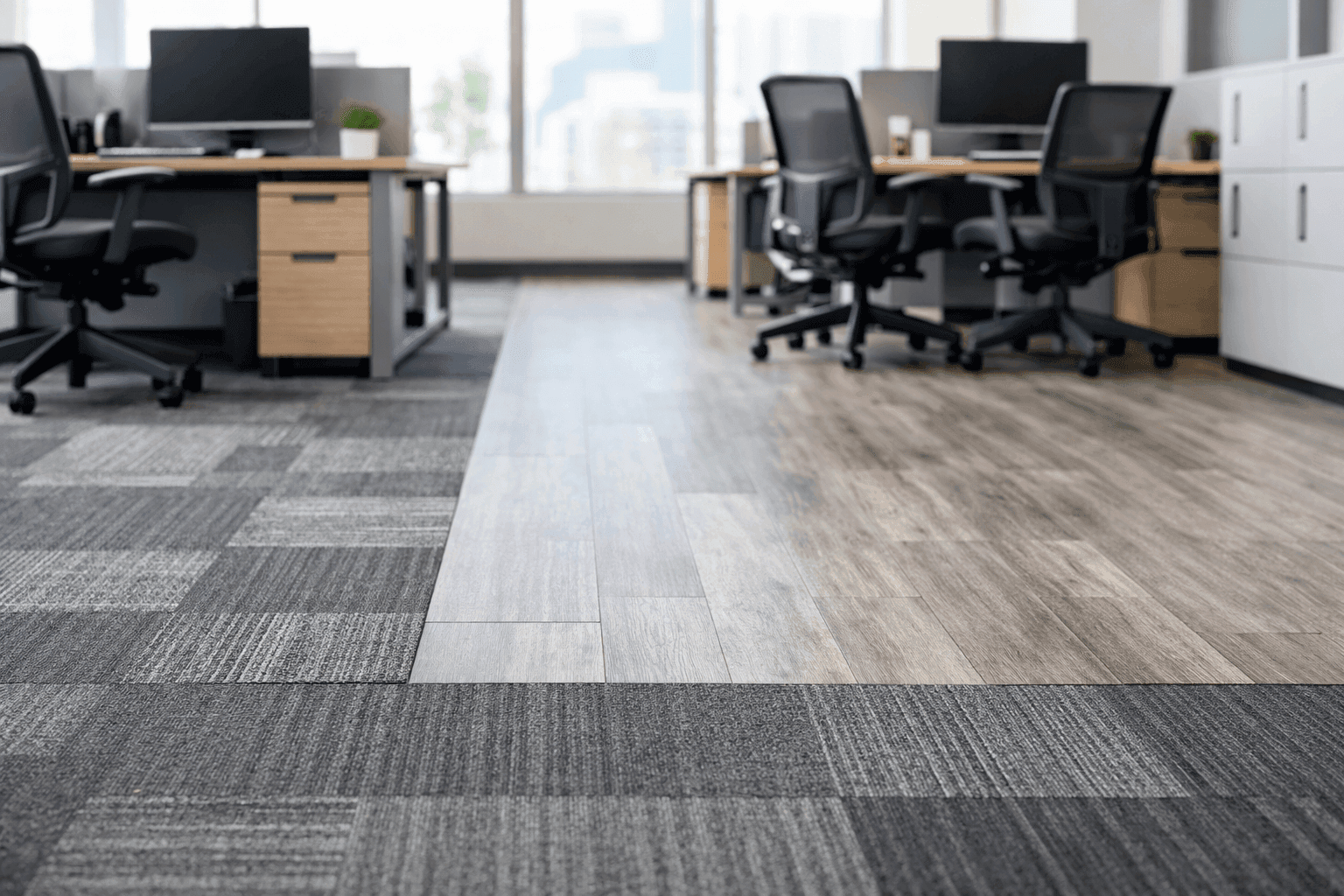
Does your office flooring echo every footstep, or does it hush the noise and boost focus? Is it a design statement, or just an afterthought beneath the desks and chairs? At JC Carpet & Flooring, we know how much floors set the tone in a workspace—and how the right choice can make all the difference.
Choosing commercial flooring isn’t just about color swatches. It’s about comfort, sound control, durability, and even safety. Whether you manage a buzzing open-plan office or a quiet suite of private rooms, the floor underfoot shapes productivity, image, and the feel of your business.
Understanding Your Office's Needs and Priorities 🏢
Every office is unique—like a fingerprint. Before picking a floor, take a step back. What matters most in your space?
- Foot Traffic: Is your office busy all day, or does it see visitors only now and then?
- Noise: Do you need to keep noise to a minimum for phone calls and meetings?
- Style: Is your office a creative studio, a legal firm, or a healthcare facility?
- Maintenance: Will you have time for weekly deep cleans, or do you need something low-maintenance?
- Safety: Are slip-resistant surfaces needed for entryways or kitchens?
A thoughtful approach ensures your flooring investment pays off in productivity, image, and lasting value.
Top Commercial Flooring Types for Offices
Decisions, decisions. Let’s break down the four most popular office flooring types—and how each stacks up for comfort, sound control, and wear.
1. Carpet Tiles: Softness and Sound Absorption
Carpet tiles are like the noise-canceling headphones of the flooring world. They absorb sound, cushion every step, and offer warmth underfoot.
Pros:
- Excellent for reducing echo and office noise
- Easy to replace individual tiles if stained or worn
- Soft, comfortable feel—ideal for long hours standing
Cons:
- May show wear in high-traffic spots
- Require regular vacuuming and occasional deep cleaning
Carpet tiles are a smart fit for open-plan spaces and collaborative offices. They’re also a favorite for businesses that value comfort and acoustic control.
2. Luxury Vinyl Tile (LVT): Durable and Versatile
LVT is like a chameleon—it can look like stone, wood, or even concrete, but with none of the fuss. It stands up to spills, scratches, and heavy furniture.
Pros:
- Extremely durable and scratch-resistant
- Waterproof options available for kitchens or break rooms
- Easy to clean and maintain
Cons:
- Not as soft as carpet tiles
- Sound absorption is moderate (can be improved with underlayment)
LVT is a flexible solution for most offices, especially those with mixed-use areas. For more on LVT installation or style options, visit our Luxury Vinyl Tile (LVT) page.
3. Polished Concrete: Modern and Robust
Polished concrete is the minimalist’s dream—sleek, modern, and nearly indestructible. It’s ideal for creative studios, tech offices, or industrial spaces.
Pros:
- Incredibly durable and long-lasting
- Easy to clean; resists stains and spills
- Modern, high-end look
Cons:
- Hard underfoot—can be tiring if you stand all day
- Echoes sound, unless paired with rugs or acoustic panels
For offices that want low maintenance and a cutting-edge vibe, concrete is hard to beat.
4. Hardwood Flooring: Classic and Elegant
Hardwood brings warmth and character—like a tailored suit for your office floor. It’s timeless, but also needs a little extra care.
Pros:
- Elegant, high-end appearance
- Can be refinished to extend lifespan
- Adds value and prestige
Cons:
- Sensitive to moisture and scratches
- Needs regular upkeep and refinishing
Hardwood works best in executive suites or client-facing areas where first impressions matter.
Comfort, Sound, and Safety: What Matters Most?
Flooring isn’t just about looks. It’s the stage for your daily work, meetings, and team moments. Here’s what to weigh:
- Comfort: Carpet tiles and cork floors cushion every step, perfect for offices where people stand or walk a lot.
- Sound Control: Acoustic performance matters. Carpet tiles absorb noise, while LVT and hardwood need underlayment for hush.
- Safety: Look for slip resistance, especially in entryways or kitchens (OSHA recommends checking for slip coefficients above 0.5).
For more detailed safety standards, refer to the American National Standards Institute (ANSI) and Occupational Safety and Health Administration (OSHA) flooring guidelines.
The Installation Process: What to Expect
Installing commercial flooring is like a well-practiced dance—timing, coordination, and careful preparation are everything.
Step 1: Consultation and Site Assessment
A flooring specialist visits your office, measures the space, and checks the subfloor. They’ll ask about business hours, furniture, and any special needs (like soundproofing or moisture barriers).
Step 2: Preparing the Area
Furniture is moved, and old flooring is removed if needed. Subfloors are cleaned, leveled, and repaired. Moisture barriers or underlayments are installed for certain products.
Step 3: Professional Installation
Each flooring type has its rhythm. Carpet tiles are laid in patterns, LVT is clicked or glued down, and concrete may be ground and polished on-site. Good installers minimize disruption, often working after hours or in phases.
Step 4: Final Walk-Through
A thorough inspection ensures seams, joints, and finishes are perfect. You’ll receive care instructions and tips to keep your new floor looking its best.
Maintenance Tips for Office Flooring 🧹
Every floor needs TLC. But some make it easier than others.
- Carpet Tiles: Vacuum daily; spot clean spills. Replace tiles as needed.
- LVT: Sweep and mop regularly. Use furniture pads to prevent scratches.
- Concrete: Dust mop daily; reseal every few years.
- Hardwood: Sweep and use wood-safe cleaners. Avoid excess water.
Schedule periodic deep cleans. And don’t ignore small repairs—fixing loose tiles or planks early prevents bigger headaches later.
Floor Design: Setting the Tone for Productivity
The right floor is more than a surface—it’s a silent partner in your company’s story. Calm colors and soft textures can reduce stress. Bold patterns can energize and spark creativity. Choose tones and materials that reflect your brand and support your team’s workflow.
Sound Control Strategies for Busy Offices
Sound can be a deal-breaker. Open-plan offices with hard floors may echo like empty gymnasiums. Here’s how to keep noise down:
- Use carpet tiles in high-noise zones.
- Add area rugs or acoustic mats.
- Install sound-absorbing underlayments with LVT or hardwood.
- Pair hard floors with wall panels, ceiling baffles, or curtains.
With a little planning, even the busiest spaces can feel focused and calm.
Safety First: Codes and Best Practices
Slip resistance, fire safety, and indoor air quality all matter. Choose flooring materials that meet ASTM and ANSI standards for commercial use. For high-traffic entries, consider textured surfaces or add walk-off mats.
Did you know? The Americans with Disabilities Act (ADA) requires flooring transitions to be smooth and accessible—no trip hazards.
When to Repair, Refinish, or Replace
Floors take a beating. Watch for these red flags:
- Frayed carpet edges or lifting tiles
- Deep scratches or gouges in vinyl or hardwood
- Cracks or chips in concrete
- Persistent stains that won’t budge
Sometimes a simple repair does the job. Other times, replacement or refinishing is the way to go. If you’re not sure, schedule a flooring inspection with our team.
DIY vs. Professional Installation
Installing commercial flooring isn’t a weekend project. Professionals have the tools—and experience—to handle everything from moisture testing to seamless transitions. DIY missteps can cost more in the long run, especially if warranties are voided by improper installation.
For peace of mind and lasting results, trust the job to a qualified flooring contractor.
Budgeting: Costs, Timeline, and Disruption
- Materials: LVT and carpet tiles are mid-range; concrete and hardwood cost more upfront.
- Labor: Professional installation saves time and ensures a smooth finish.
- Timeline: Most offices can be floored in 1–3 days per area, depending on prep and complexity.
- Disruption: Minimized with after-hours or phased work.
Plan for a few days of light disruption—and enjoy years of worry-free floors.
Common Mistakes to Avoid
- Skimping on subfloor prep (it’s the foundation of every great floor)
- Ignoring acoustics in open-plan offices
- Choosing style over function
- Forgetting about maintenance needs
Good planning today saves headaches tomorrow.
Frequently Asked Questions
Q: How do I know which floor is best for my office?
A: Think about traffic, noise, style, and budget. Consult with a pro for tailored advice.
Q: Can I replace my office flooring without shutting down?
A: Yes! Many installations happen after hours or in phases.
Q: What is the most durable office floor?
A: LVT and polished concrete are both known for toughness and longevity.
Q: Is eco-friendly flooring available for offices?
A: Absolutely. Ask about cork, bamboo, or recycled content options.
Seasonal and Environmental Considerations
Offices in humid or wet climates need moisture-resistant flooring. In cold regions, radiant heat under LVT or tile adds comfort. Consider entryway mats to keep grit and water off your new floors year-round.
Signs Your Office Needs New Flooring
- Persistent odors or stains
- Uneven surfaces, ripples, or trip hazards
- Faded, dated, or worn materials
If you notice these signs, it may be time for a refresh. For projects in Maryland, our flooring company is here to help plan your next upgrade.
Why JC Carpet & Flooring?
At JC Carpet & Flooring, we don’t just install floors—we help create workspaces that support your business goals. Our team guides you from first measurement to final walk-through, with a focus on comfort, safety, and design.
Ready to transform your office? Call JC Carpet & Flooring now — or reach us anytime at 855-557-1115 .