How to Choose the Best Deck Flooring Material
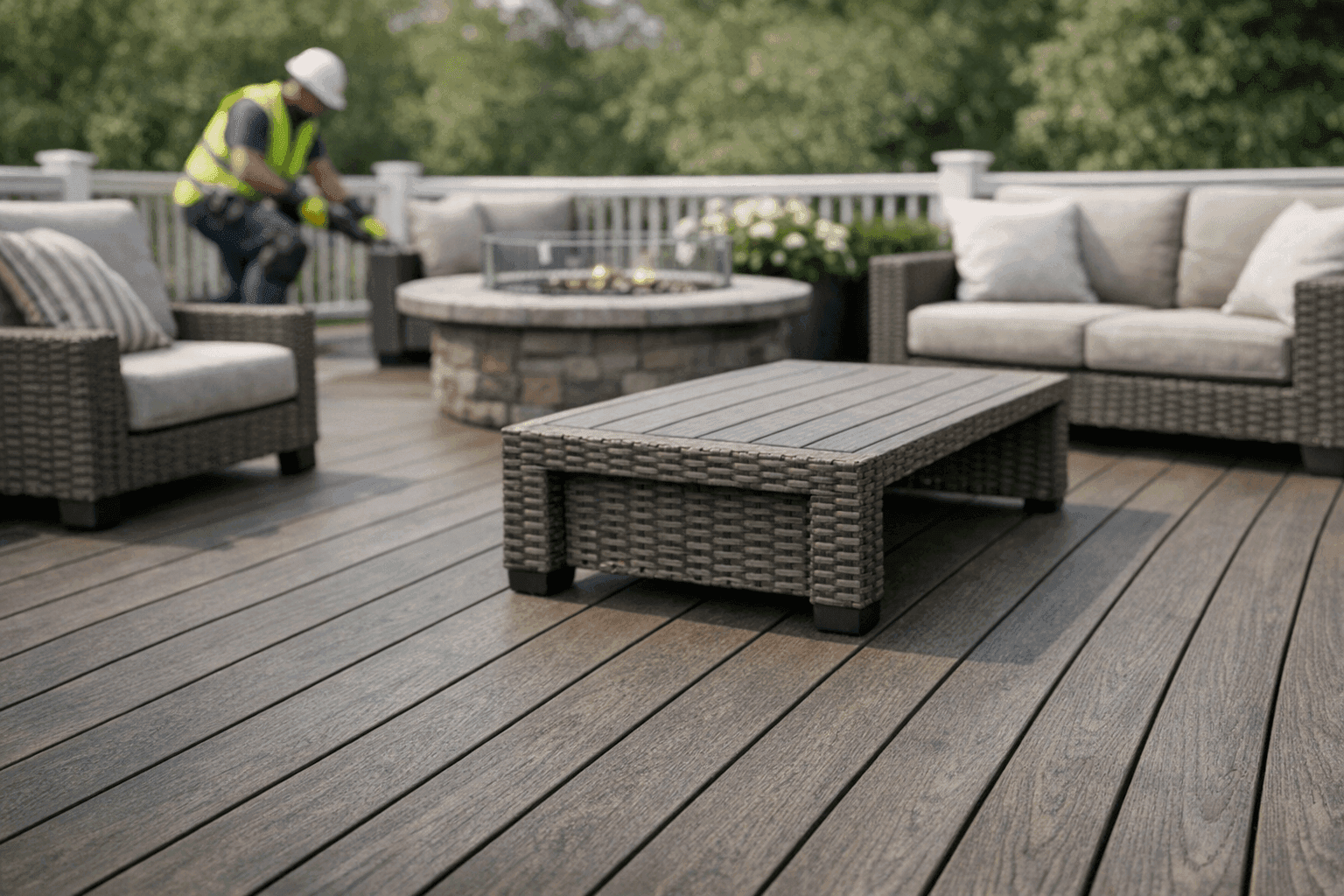
Stepping onto your deck should feel like stepping into your own private retreat. But if the boards are splintering, slick in the rain, or stained from last season’s barbecue, it’s hard to relax. Choosing the right deck flooring is more than a home improvement—it's about making the most of your space, safely and beautifully.
At JC Carpet & Flooring, we've helped homeowners and businesses alike turn worn decks into inviting, long-lasting outdoor escapes. Whether you host neighborhood cookouts or want a quiet spot for morning coffee, your deck deserves a surface that fits your lifestyle and stands up to the elements.
Deck Material Types: The Basics
Start by knowing your choices. Each deck flooring material brings something different to the table:
- Wood: Classic charm. Think pressure-treated pine, cedar, or rich hardwoods like ipe and mahogany.
- Composite: Made from wood fibers and plastics, it mimics wood but needs less upkeep.
- Tile: Porcelain or stone tiles offer a sleek, modern look, and are perfect for creative patterns.
- Concrete: Poured slabs or decorative overlays—strong and customizable.
- Stone: Natural stone like slate or travertine gives a timeless, upscale feel.
Each has its own strengths (and quirks). Let’s break them down.
Natural Wood Decking: Warmth and Tradition 🌲
There’s something about real wood that draws people in. The patterns, the warmth under bare feet, the way it weathers over time.
Pros:
- Timeless beauty and natural comfort.
- Easy to customize with stains and finishes.
- Repairs are straightforward—swap a damaged board.
Cons:
- Needs regular sealing and staining.
- Vulnerable to rot, splinters, and insect damage if not maintained.
- Can get slippery when wet—especially smooth finishes.
If you’re drawn to wood, remember: upkeep is part of the package. The International Residential Code (IRC) sets standards for safety, so be sure your deck meets local guidelines.
Composite Decking: Low-Maintenance, High Appeal
Composite deck boards are like the “set it and forget it” slow cooker of the flooring world. A mix of wood fibers and recycled plastics, composites resist fading, warping, and splinters.
Pros:
- Won’t rot, split, or warp.
- Needs only occasional washing.
- Wide range of colors and grains.
Cons:
- Can get hot in direct sun.
- May scratch or stain (think dropped grill tools).
- Higher upfront cost than most wood.
Great for families, busy professionals, or anyone who wants “Residential Flooring near you” that doesn’t demand every weekend for maintenance.
Deck Tiles: Modern and Modular
Tile on a deck? Absolutely. Porcelain, ceramic, or natural stone tiles create a striking look—especially in smaller outdoor spaces or roof decks.
Pros:
- Endless design options.
- Easy to replace individual tiles.
- Durable and stain-resistant (especially porcelain).
Cons:
- Needs a solid, level subfloor.
- Can be slippery when wet (choose textured tiles for grip).
- Grout lines require occasional sealing.
If you crave a designer finish or want to echo your indoor flooring style outside, tiles might be your ticket.
Concrete Decking: Solid and Customizable
Concrete isn’t just for patios—it’s finding a second life as deck flooring, especially for homes with a modern edge. You can stain it, stamp it, or polish it for a range of looks.
Pros:
- Incredibly durable and fire-resistant.
- Low maintenance—just sweep and hose off.
- Customizable colors and textures.
Cons:
- Can crack with ground movement or freeze/thaw cycles.
- Hard surface—less forgiving underfoot.
- Some finishes can be slippery unless treated.
Concrete is ideal for those who want something truly permanent. It's also a solid choice for Outdoor Flooring in commercial spaces.
Stone Decking: Nature’s Own
Nothing beats the look of real stone. Slate, bluestone, or travertine decks feel cool and earthy, and they last for decades with proper care.
Pros:
- Elegant, high-end appearance.
- Naturally slip-resistant (especially textured stones).
- Withstands sun, rain, and time.
Cons:
- Heavier than other materials—may need structural reinforcement.
- Professional installation required.
- Higher cost and periodic resealing.
For eye-catching decks that wow guests and add long-term value, stone is hard to beat.
Durability: Standing Up to Weather and Wear
Your deck flooring faces sun, rain, freezing temps, and muddy feet. Durability isn’t just a nice-to-have—it’s essential.
- Wood: Withstands moderate use but demands attention; untreated wood absorbs water and can rot.
- Composite: Stands up to moisture, insects, and sun; won’t splinter.
- Tile: Porcelain is frost-proof; natural stone varies (check the absorption rate).
- Concrete: Handles weather extremes, but cracks can form over time.
- Stone: Lasts generations with sealing; naturally resists fading and wear.
Look for materials rated for outdoor use. The American Wood Protection Association (AWPA) and ASTM International set standards for weather resistance.
Maintenance: What’s Really Involved?
Let’s be honest: every deck needs care, but some need more than others.
- Wood: Annual cleaning, staining, and sealing. Inspect for rot and loose nails.
- Composite: Hose down a few times a year, scrub stains with soap and water.
- Tile: Sweep debris, reseal grout lines every couple of years.
- Concrete: Sweep, occasional resealing if stained or decorative.
- Stone: Sweep, wash, and reseal as needed (frequency depends on stone type and exposure).
Skipping maintenance is like skipping oil changes on your car—it catches up to you. If you want a deck that looks new year after year, make upkeep part of your plan.
Cost Comparison: Upfront vs. Long-Term
Budget is always a factor, but don’t just look at the purchase price. Consider the full cost of ownership over 10–20 years.
- Wood: Lower upfront, higher ongoing maintenance.
- Composite: Higher upfront, lower long-term upkeep.
- Tile and Stone: High material and installation costs, moderate maintenance.
- Concrete: Moderate upfront, low maintenance, but repairs (like crack fixing) add up over decades.
If you’re not sure what fits your budget and needs, a flooring consultation can help you map out real-world costs.
Safety Matters: Slips, Splinters, and Fire Resistance 🚩
Safety comes first—especially if your deck sees kids, pets, or lots of guests.
- Wood: Splinters and slippery boards are common. Use anti-slip coatings or textured finishes.
- Composite: Most brands add slip resistance, but check ratings. No splinters!
- Tile: Choose textured tiles for grip, especially around pools.
- Concrete: Add non-slip sealers for wet climates.
- Stone: Naturally grippy, but watch out for polished finishes.
Fire safety is also key—especially in wildfire-prone regions. Composite, concrete, and stone all rate higher for fire resistance than untreated wood.
Deck Flooring for All Seasons
New England winters. Southern humidity. Desert heat. Your deck takes a beating in every climate.
- Wood: Expands and contracts; watch for warping.
- Composite: More stable, but may get hot underfoot in peak sun.
- Tile/Stone: Frost-resistant varieties withstand freezing, but choose wisely.
- Concrete: Handles seasonal swings but needs expansion joints to prevent cracks.
Discuss your climate with your flooring contractor to avoid surprises down the road.
Common Mistakes: What to Avoid
- Skipping the subfloor inspection. A deck is only as good as its foundation.
- Choosing indoor tiles for outdoor use—these can crack or get dangerously slick.
- Overlooking local building codes. Always check for permit and railing requirements.
Ask questions before you buy. It can save you headaches (and dollars) later.
DIY or Call a Pro?
Some deck flooring projects are DIY-friendly—like snap-together tiles or wood plank replacements. But for structural repairs, subfloor leveling, or heavy materials like stone, call in flooring specialists.
Pros ensure your deck meets code, drains properly, and stays safe for years.
Timeline and Disruption: What to Expect
- Wood/Composite: 2–4 days for most decks, weather permitting.
- Tile/Stone: 3–7 days, plus cure time for grout or mortar.
- Concrete: 1–2 days to pour, up to a week to cure (depending on finish).
Factor in drying and curing times before you plan your next big gathering.
Prevention & Maintenance: Make Your Deck Last
- Sweep debris weekly to prevent stains and mold.
- Clean spills quickly—especially food and grease.
- Inspect for loose boards, nails, or cracked tiles each season.
- Reapply sealers and finishes as recommended.
Proactive care is the secret to a deck that stays beautiful and safe.
When It’s an Emergency
If you spot soft spots, sagging, or loose railings, don’t wait. Structural issues risk injury and should be fixed promptly—especially on elevated decks.
Floor Inspections: The Hidden Hero
A professional floor inspection spots trouble before it starts—like hidden rot, moisture buildup, or subfloor movement. Schedule one every few years, or before major upgrades.
Deck Flooring by Lifestyle: What’s Right for You?
- For families with kids or pets: Composite for splinter-free, low-slip safety.
- For entertainers: Tile or stone for a “wow” factor.
- For traditionalists: Wood, with a commitment to care.
- For businesses: Concrete or composite for durability and easy cleaning.
If you’re in the area, our Outdoor Flooring solutions balance beauty, durability, and everyday practicality.
Ready to upgrade your deck or need help choosing the right flooring? Call JC Carpet & Flooring now — or reach us anytime at 855-557-1115 .