How to Choose the Best Flooring for Rental Properties
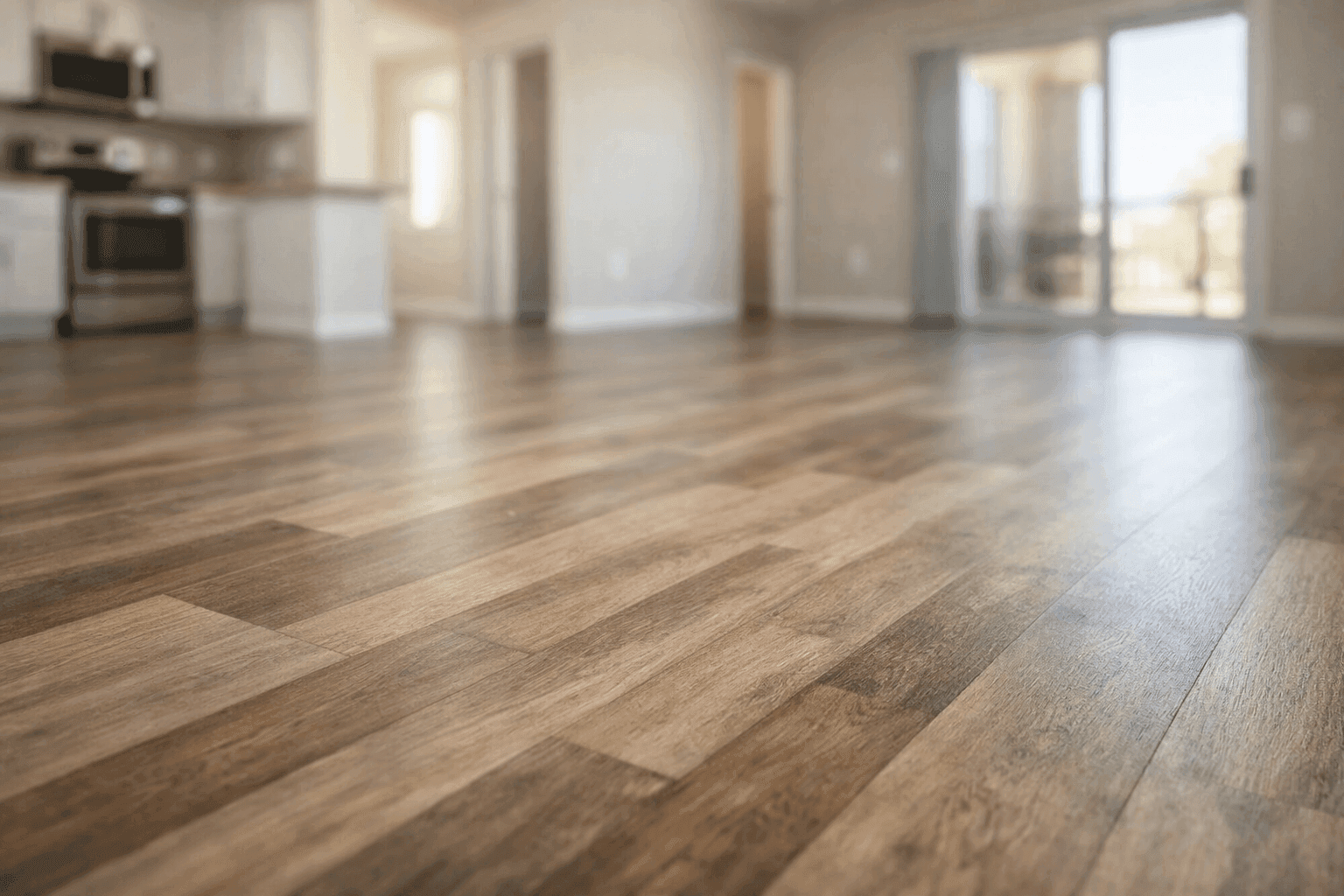
Finding the right flooring for your rental property isn’t just about style. It’s about money saved, headaches avoided, and tenants who stay longer. At JC Carpet & Flooring, we’ve seen it all—scuffed carpet, cracked tile, warped planks, and floors that just didn’t last. Choosing wisely up front means fewer calls in the middle of the night and more time celebrating steady rental income.
With so many options, picking flooring can feel like trying to thread a needle in a storm. But with the right information, you’ll feel confident making choices that keep your property safe, attractive, and easy to maintain.
Flooring Needs for Rentals: More Than Meets the Eye 🏠
Rental units are tough on floors. Think of them like the main street of a small town—constant foot traffic, spills, moving furniture, pets, and the wear that comes with tenants coming and going. Your flooring has to look good for showings, stand up to rough use, and be quick to turn over between leases.
What matters most?
- Durability: Withstand years of traffic and the occasional accident.
- Easy Maintenance: Clean fast, repair even faster.
- Turnover Speed: Get new tenants in without waiting for glue to dry.
- Cost Effectiveness: Balance up-front price with long-term savings.
- Safety: Slip resistance and low-VOC options.
- Code Compliance: Flooring must meet fire and building codes (see your local authority or resources like the International Building Code).
The Best Flooring Materials for Rental Properties
Let’s break down the most popular choices for rental units—what works, what doesn’t, and why.
Luxury Vinyl Plank (LVP): The Heavyweight Contender
LVP is like the Swiss Army knife of flooring. It handles almost anything you throw at it.
Pros:
- Extremely water-resistant—ideal for kitchens, baths, and basements.
- Realistic wood and stone looks.
- Cushioned underfoot, reducing noise.
- Installs fast, often floating over existing floors.
- Budget-friendly and long-lasting.
Cons:
- Can scratch if abused (think dragging heavy furniture).
- Sharp objects or unprotected chair legs may gouge the surface.
Best for: High-traffic areas, pet-friendly rentals, and spaces where moisture is a concern.
Laminate Flooring: Tough and Stylish
Laminate offers a hard-wearing surface that mimics hardwood at a fraction of the cost.
Pros:
- Highly scratch-resistant—great for apartments or homes with kids and pets.
- Installs quickly, often with click-lock systems.
- Stain-resistant finishes simplify cleaning.
Cons:
- Not recommended for bathrooms or laundry rooms (prone to water damage).
- Less forgiving if subfloors are uneven.
Best for: Living rooms, bedrooms, and hallways that need quick, attractive upgrades.
Explore our laminate flooring services.
Tile: Classic and Cool
Ceramic or porcelain tile brings durability and a timeless look, especially in kitchens and baths.
Pros:
- Impervious to water and stains.
- Easy to clean thoroughly.
- Wide variety of styles and colors.
Cons:
- Hard underfoot—can be cold in winter.
- Grout lines need regular cleaning and sealing to prevent mildew.
- Installation takes longer and costs more upfront.
Best for: Entryways, kitchens, and bathrooms where water and spills are frequent.
Carpet: Comfort and Affordability
Carpet still has its place, especially in bedrooms and multi-family units.
Pros:
- Soft and quiet—absorbs noise between floors.
- Hides minor subfloor flaws.
- Lower initial cost than hard surfaces.
Cons:
- Stains and odors can be tough to remove.
- Wears out faster in high-traffic areas.
- Not ideal for allergy-sensitive tenants.
Best for: Bedrooms or units where warmth and quiet are priorities.
Maintenance: The Hidden Cost of Rental Flooring 🧹
A floor that’s easy to clean is a floor that saves you money. Here’s what to consider:
- LVP and Laminate: Damp mop or vacuum. No wax or polish needed.
- Tile: Clean with a pH-neutral cleaner. Seal grout once a year to prevent staining and mildew.
- Carpet: Vacuum regularly. Steam cleaning between tenants is a must.
- Repairs: Choose flooring with available matching planks or tiles for fast spot repairs.
Pro Tip: Consider area rugs for high-wear zones. They protect floors and are easier to swap out than wall-to-wall replacements.
Turnover Speed: Getting Tenants In, Fast
Every day a unit sits empty is money lost. Flooring can make or break your timeline.
- LVP and laminate: Can often be installed in a single day per unit. Most allow for immediate foot traffic.
- Tile: Needs more time—typically 2–3 days for setting and grouting.
- Carpet: Quick installation, but requires proper stretching to avoid wrinkles later.
Choose flooring that matches your ideal turnover window. Fast, professional installation by a flooring company can help reduce downtime.
Upfront Cost vs. Long-Term Value
It’s tempting to go cheap, but bargain flooring often wears out quickly. Consider:
- Initial material cost
- Installation charges
- Expected lifespan
- Replacement and repair costs
LVP and laminate often hit the sweet spot: affordable now, with fewer replacements later. Tile costs more at first but can outlast several rounds of tenants. Carpet is inexpensive but may need to be replaced every few years.
Safety Matters: Don’t Overlook the Details ⚠️
Slip resistance, especially in kitchens and baths, is a must. Look for flooring certified for safety (ASTM D2047 for slip resistance is one reputable guideline). Low-VOC or Green Label flooring options protect indoor air quality and are increasingly requested by tenants.
DIY vs. Professional Installation: Know Your Limits
Some landlords love a weekend project. But mistakes in flooring can be costly.
- LVP/Laminate: Click-lock systems are DIY-friendly, but subfloor prep is crucial.
- Tile: Requires special tools, careful layout, and even spacing—best left to pros.
- Carpet: Proper stretching and seam work take experience.
If in doubt, consult a flooring specialist. Bad installation can void warranties and lead to unhappy tenants.
How Flooring Pros Tackle Turnovers
At JC Carpet & Flooring, we start with a thorough floor inspection—checking for moisture, subfloor issues, and safety hazards. We help landlords pick the right material for each room, install quickly, and provide tips for routine care. Our team always follows code requirements and uses materials that last.
Preventing Damage: Tips for Landlords
- Provide felt pads for furniture legs.
- Place mats at entry doors.
- Enforce a no-shoes policy if possible.
- Schedule annual or bi-annual floor checkups.
Taking these steps keeps floors looking new longer and reduces repair calls.
What to Watch For: Early Signs of Trouble
- Warping, buckling, or spongy spots underfoot
- Persistent stains or odors
- Cracked tiles or loose grout
- Carpet lifting at the edges
Addressing these quickly can prevent more costly repairs down the line.
Seasonal Considerations
Humidity and temperature changes affect certain floors. LVP and tile are stable year-round. Laminate may expand or contract. Carpet can hold moisture in humid climates, increasing the risk of mold. Factor in your local weather when choosing materials.
FAQ: Common Landlord Flooring Questions
Q: Can I put the same flooring everywhere?
A: Not always. Bathrooms and kitchens need water-resistant options. Bedrooms and living rooms offer more flexibility.
Q: How often should I replace rental flooring?
A: Depends on material and traffic. LVP and tile can last 10–20 years; carpet may need swapping every 3–5 years.
Q: What about pets?
A: LVP and tile handle claws and accidents better than carpet.
Flooring Removal and Preparation: Don’t Skip This Step
Old glue, uneven subfloors, or hidden moisture issues can sabotage new floors. A professional assessment saves time and money. JC Carpet & Flooring offers subfloor repair, leveling, and moisture barrier installation to get you started right.
Reducing Vacancy and Repair Costs: The Bottom Line
The right flooring is an investment, not just an expense. Durable, attractive floors speed up turnovers, attract quality tenants, and minimize time spent on repairs. By choosing wisely—balancing cost, style, and longevity—you’ll see your maintenance headaches shrink year after year.
Ready to upgrade your rental property floors? Call JC Carpet & Flooring now — or reach us anytime at 855-557-1115 .