How to Choose the Right Flooring for Each Room
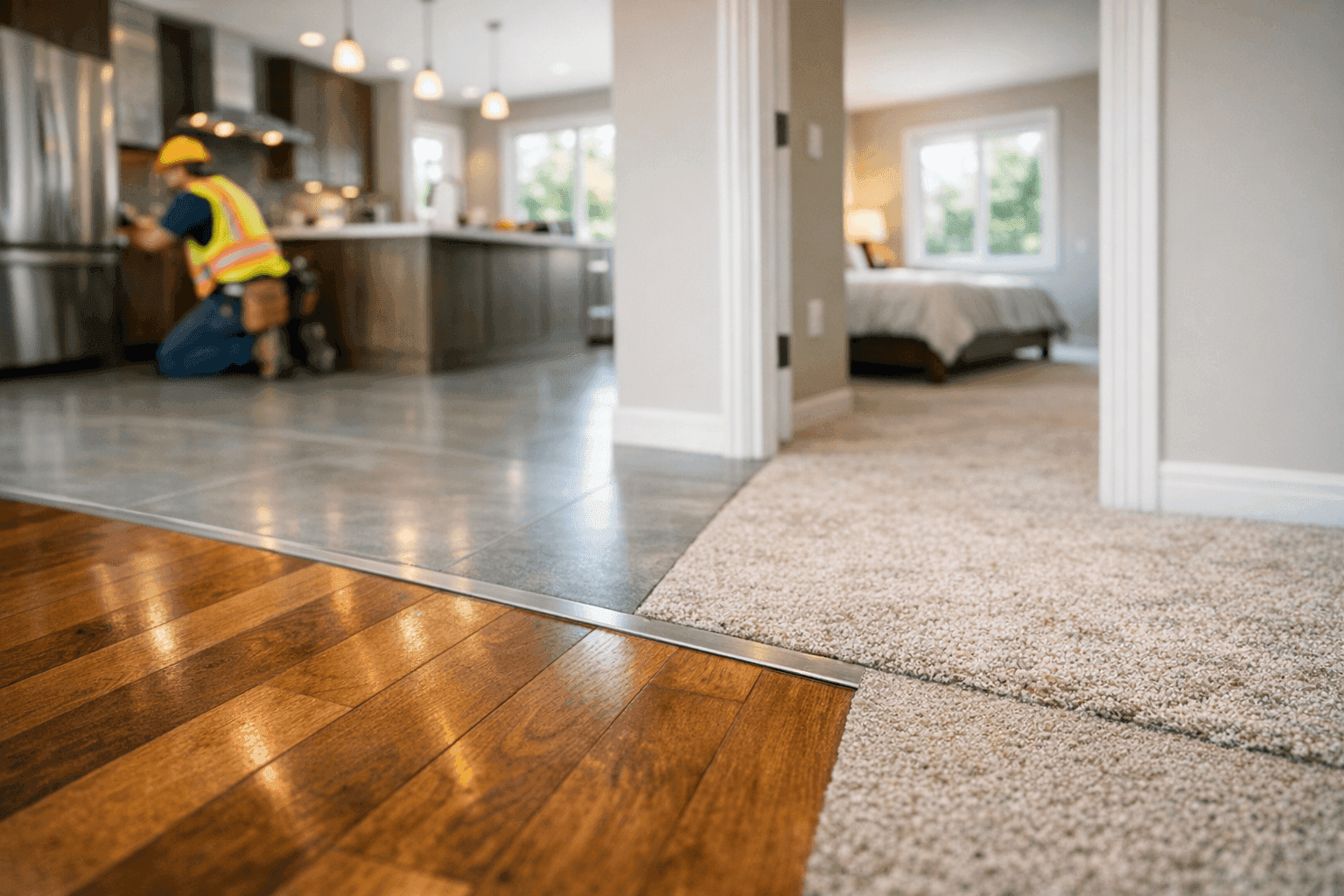
Every room in your home is a stage for life’s daily drama. Kids and pets racing through the living room. Steamy mornings in the bathroom. Spills, laughter, and everything in between. The right flooring isn’t just a backdrop—it’s a supporting character, quietly working behind the scenes. At JC Carpet & Flooring, we know every space has its own rhythm and requirements.
Choosing the best flooring for each room can feel overwhelming. But you don’t have to puzzle it out alone. Read on for clear guidance that’ll help you match flooring to your lifestyle, comfort needs, and design vision.
Understanding Each Room’s Needs
Before you start picking colors or textures, take a step back. Think about what each room asks of your floors:
- Living Rooms: These are high-traffic zones where comfort and warmth matter. You want something soft underfoot but sturdy enough to handle gatherings and daily wear.
- Kitchens: Spills, splashes, and dropped utensils are part of the package. Here, durability and moisture resistance are key.
- Bedrooms: A sanctuary for rest. Comfort, sound absorption, and hypoallergenic materials are top priorities.
- Bathrooms: Steamy showers, puddles, and cleaning products all challenge your flooring. You need slip resistance and water protection.
- Basements: These often face moisture and temperature swings. Durability and water resistance are non-negotiable.
- Entryways & Mudrooms: Dirt, grit, and wet shoes walk right in. Toughness and easy cleaning top the list.
No two homes—or families—are the same. Start by thinking about your habits, your household, and your dreams for each space.
Material Matches: Flooring Types for Every Space 🏡
There’s no one-size-fits-all answer. The right choice blends function with flair. Here’s how common flooring options stack up in different rooms:
Living Room
- Carpet: Cozy, inviting, great for lounging and reducing noise.
- Hardwood Flooring: Classic, elegant, adds value, but might need area rugs for cushioning.
- Luxury Vinyl Plank (LVP): Mimics the look of wood, resists scratches and spills, great for active families.
Kitchen
- Luxury Vinyl Tile (LVT): Waterproof, resilient, and comes in endless styles.
- Tile Flooring: Impervious to water and heat, easy to sanitize, but harder underfoot.
- Cork Flooring: Gentle on legs, eco-friendly, and resists mold.
Bedroom
- Carpet: Still king for comfort and warmth.
- Cork or Bamboo Flooring: Allergy-friendly, quiet, and sustainable.
- Laminate Flooring: Affordable, softens footsteps, and comes in many styles.
Bathroom
- Tile Flooring: The gold standard for wet areas—choose textured surfaces for slip resistance.
- Vinyl Flooring: Seamless installation means fewer leaks; gentle on bare feet.
- Epoxy Flooring: Non-porous, modern, and easy to clean.
Basement
- Vinyl Flooring: Flexible, moisture-resistant, and forgiving on uneven subfloors.
- Epoxy or Concrete Flooring: Ultra-durable, customizable, and handles moisture.
- Carpet Tiles: Add comfort and can be replaced individually if water damage occurs.
Entryway
- Tile or Stone: Tough as nails and cleans up in a snap.
- Luxury Vinyl Plank: Handles water and mud, offers endless design options.
- Floor Coatings: Protect concrete from stains and make cleaning a breeze.
Style Tips: Making It All Work Together
A home should flow—both visually and practically. Mixing flooring styles can work wonders, but harmony is key.
- Color Coordination: Stick to a palette that flows from room to room. Lighter colors open up small spaces; darker shades ground larger rooms.
- Transitions: Use threshold strips or creative tile inlays to mark room changes without abrupt visual stops.
- Texture Play: Pair smooth floors with soft area rugs, or contrast matte finishes with glossy tiles for a balanced look.
- Personal Touches: Don’t be afraid to let a bold tile or patterned rug be your statement piece.
Remember, your style should reflect you—not just a catalog.
Maintenance: Keeping Floors Beautiful
Every floor needs care, but some make it easier than others. Here are simple routines for the most common materials:
- Carpet: Vacuum regularly, spot-clean spills fast, and schedule deep cleaning every 12-18 months.
- Hardwood: Sweep or dust-mop often, use a barely damp mop for cleaning, and refinish as needed.
- Vinyl & Laminate: Sweep or vacuum frequently, clean with a mild solution, avoid pools of water.
- Tile: Sweep daily, mop weekly, and seal grout lines to protect from stains and moisture.
- Epoxy & Concrete: Dust-mop or sweep, wash with a neutral cleaner, recoat every few years for shine.
Invest in good floor mats at every entrance. They’re your first line of defense against dirt and grit.
Flooring and Safety: What Matters Most
Safety isn’t just about avoiding slips—though that’s a big part of it. Think about these factors:
- Slip Resistance: Choose textured tiles or slip-rated vinyl in bathrooms and kitchens.
- Allergy Concerns: Opt for hard surfaces or low-pile carpets if allergies are a worry. The Asthma and Allergy Foundation of America recommends regular cleaning and low-VOC materials.
- Fire Ratings: Some materials, like tile and concrete, offer higher fire resistance. Check with your local building codes for requirements.
- Underfoot Comfort: Standing in the kitchen for hours? Cork and cushioned LVP reduce fatigue.
When in doubt, ask during your Flooring Consultation about materials that meet your safety and health goals.
Living Room: Comfort Meets Durability
The living room is the heart of your home, the place where life happens. You need a floor that’s soft enough for sock-skating but tough enough for movie nights, pets, and playdates.
- Best Bets: Plush carpet for warmth, hardwood for timeless style, or LVP for families with kids and pets.
- Tips: Use area rugs to define spaces and add extra comfort. Consider soundproofing underlayments for multi-level homes.
Kitchen: Mess-Proof and Style-Forward
Kitchens take a beating. Between the dropped pans and spaghetti sauce splatters, your floor must stand up to chaos.
- Best Bets: Waterproof LVT, tile, or even sealed concrete.
- Tips: Look for floors with a little “give” to reduce breakage when things fall. Choose grout colors that hide stains. Grout cleaning and sealing helps keep things sanitary.
Bedroom: Peaceful, Quiet, and Cozy
A bedroom should feel like a retreat. Soft, quiet, and easy to keep allergen-free.
- Best Bets: Wall-to-wall carpet for classic comfort, or try cork for a gentle, sustainable vibe.
- Tips: If allergies are a concern, go for hard surfaces with washable area rugs.
Bathroom: Moisture Is the Enemy 🚿
Water is everywhere in a bathroom. The right floor keeps it where it belongs.
- Best Bets: Non-slip tile, waterproof vinyl, or epoxy.
- Tips: Install moisture barriers and sealants, check ventilation, and choose grout that resists mold.
Basement: Dampness, Handled
Basements are tricky. Flooding, humidity, and cold all take their toll.
- Best Bets: Vinyl planks, epoxy, or carpet tiles.
- Tips: Always check for moisture before installation. Consider subfloor repairs or moisture barriers as needed.
Entryway: The First Line of Defense
Entryways are like mudrooms in disguise. They greet every footprint and paw print.
- Best Bets: Tile, LVP, or sealed concrete.
- Tips: Place mats inside and outside, sweep often, and choose darker colors to hide the mess.
When to Call a Pro
Some flooring jobs are a weekend DIY project. Others are best left to pros—especially when it comes to subfloor repairs, leveling, or moisture barriers.
- Call us if: You have uneven floors, suspect water damage, or want radiant floor heating.
- DIY-friendly: Floating laminate, peel-and-stick vinyl, or carpet tiles.
Not sure where you stand? A professional Residential Flooring assessment can save time and hassle.
Quick Safety Checklist
Before installing or replacing flooring, consider:
- VOC Levels: Choose low-VOC adhesives and finishes for indoor air quality.
- Slip Resistance: Especially in kitchens, baths, and entries.
- Building Codes: Check local requirements for fire, sound, and moisture standards. The International Residential Code and National Wood Flooring Association offer solid guidance.
- Subfloor Condition: A good floor starts with a solid, level base.
Common Mistakes to Avoid
- Choosing style over function. That dazzling white carpet in the foyer? It might look great—until winter.
- Skipping moisture testing in basements and bathrooms.
- Forgetting about transitions between rooms.
- Ignoring floor height differences, especially with new installations.
Signs Your Floor Needs Attention
- Creaks, sags, or soft spots.
- Stains or moldy smells.
- Peeling, warping, or bubbling.
- Persistent allergies or respiratory issues.
Regular floor inspections catch small issues before they become big headaches.
Timeline and Disruption: What to Expect
Some floors install in a day. Others need time to acclimate, cure, or dry.
- Carpet: 1-2 days, plus moving furniture.
- Hardwood: 3-5 days, including acclimation.
- Tile: 2-4 days, plus grout curing.
- Epoxy: 2-3 days, factoring in drying time.
Ask your installer about noise, dust, and access during the project.
Flooring and Seasonal Considerations
- Winter: Cold can make some floors brittle. Watch for condensation.
- Spring/Fall: Best for most installations—mild temps, low humidity.
- Summer: Humidity can cause wood to swell; plan accordingly.
Trust and Design: Flooring for Health and Home
Great flooring does more than look good. It keeps your home healthy, quiet, and safe. Look for certifications like FloorScore® for indoor air quality, and ask about allergen- and moisture-resistant products.
If you’re in the Portland area, our Flooring Consultation service helps match materials and design to your specific needs.
Ready to give your home the foundation it deserves? Call JC Carpet & Flooring now — or reach us anytime at 855-557-1115 .