How to Clean and Care for Tile Floors
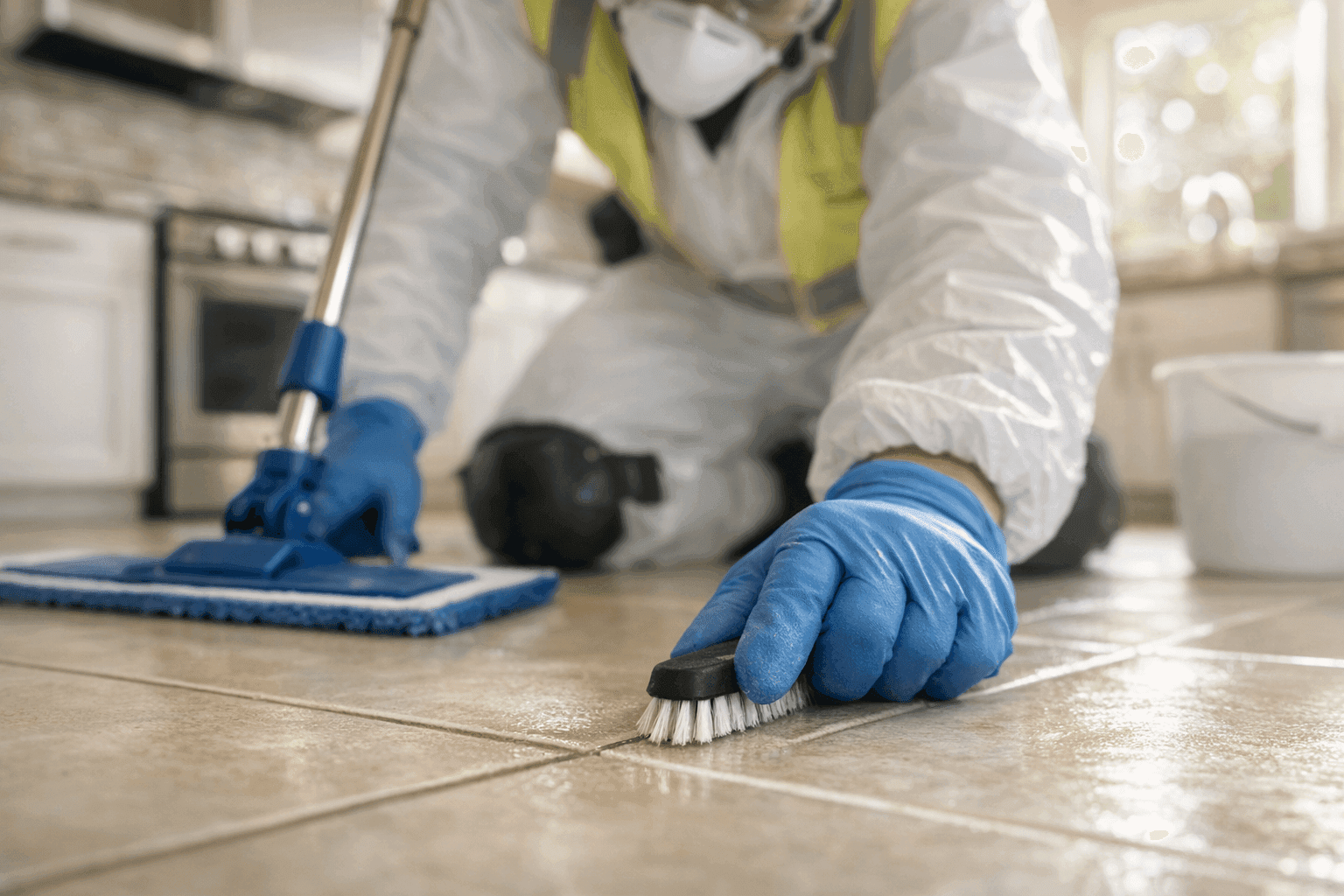
Tile floors are a classic choice—timeless, sturdy, and easy on the eyes. But scuffed grout lines and dull surfaces can sneak up on you, even in the tidiest homes or businesses. Whether you have a busy family kitchen or a bustling office lobby, knowing how to care for tile means your floors turn heads for the right reasons.
At JC Carpet & Flooring, we’ve seen it all—spilled coffee, muddy paw prints, and everything in between. Let’s break down how to keep your tile floors gleaming and healthy, step by step.
Daily Care: The Simple Habits That Matter 🧹
Think of your tile floor like a white shirt—little stains add up fast. Dirt, grit, and crumbs can act like sandpaper, grinding away at the finish. Here’s how to stop the damage before it starts:
- Sweep or vacuum daily. Use a soft-bristle broom or a vacuum designed for hard floors. Avoid beater bars—they can scratch.
- Damp-mop weekly. A microfiber mop works wonders. Use warm water, not a flood. Too much moisture seeps into grout and weakens it.
- Wipe spills immediately. Acidic foods (think juice, tomato sauce) can etch and stain. Blot, don’t scrub.
Pro tip: Check your manufacturer’s care guide—glazed porcelain needs different care from natural stone.
Deep Cleaning: When a Quick Mop Won’t Cut It
Sometimes, tile needs more than a pass with the mop. Dirt gets ground in, especially in high-traffic spots.
- Choose a pH-neutral cleaner. Harsh chemicals can dull shine or break down grout. Look for “tile-safe” or “stone-safe” labels.
- Work section by section. Let the cleaner sit for a few minutes, then scrub with a soft brush. Old toothbrushes are perfect for grout lines.
- Rinse thoroughly. Leftover soap leaves floors sticky, attracting more dirt.
Always ventilate well—good airflow helps floors dry quickly, preventing moisture from seeping into the subfloor.
Grout Maintenance: The Unsung Hero
Grout is the backbone of your tile floor, but it’s also the first to show wear. Discolored, cracked, or mildewed grout is a common sight.
- Clean grout regularly. Use a baking soda and water paste, or a grout-specific cleaner. Scrub gently with a brush; don’t use metal bristles, which can damage grout.
- Seal grout every 1–2 years. Sealing creates a barrier, making it less porous and easier to clean. This is especially important in kitchens and bathrooms.
- Fix cracks promptly. Small cracks invite water, leading to bigger repairs.
For stubborn stains or deep mildew, professional Grout Cleaning and Sealing can restore grout lines and help prevent future problems.
Stain Removal: Tackling Spills and Spots
Life happens. Wine, coffee, ink—these can leave lasting marks if ignored.
- Blot first. Never rub, as this spreads the stain.
- Try mild solutions. For organic stains, a mixture of hydrogen peroxide and baking soda can help. For grease, a splash of dish soap does the trick.
- Test in a hidden spot. Some cleaners can discolor natural stone or unglazed tiles.
For rare or persistent stains (paint, rust), follow manufacturer recommendations or consult the Flooring Maintenance team at JC Carpet & Flooring.
Quick Safety Checklist
Keeping your floors spotless is great—but safety comes first. The wrong product or too much water can cause slips or long-term damage.
- Always use slip-resistant mats in wet areas.
- Store cleaning products safely, away from children and pets.
- Read all product labels and never mix chemicals.
- Mop up excess water immediately to avoid slick spots.
The Environmental Protection Agency (EPA) recommends using low-VOC and non-toxic cleaners, especially in homes with children, elderly, or those with allergies.
Prevention & Maintenance: Make Clean Last
Keeping your tile floor clean is easier than restoring it after neglect. Small steps go a long way.
- Place mats at entrances. Stop dirt before it spreads.
- Use felt pads under furniture. This prevents scratches and chips.
- Trim pet nails. Even the smallest claws can scratch glazed tiles.
- Re-seal high-traffic areas more often. Kitchens, bathrooms, and entryways need extra attention.
DIY or Call a Pro? Knowing When to Ask for Help
Most tile maintenance is DIY-friendly. But some signs call for professional help:
- Deep, set-in stains that defy regular cleaning
- Grout that crumbles, cracks, or is missing
- Large areas of loosened or hollow-sounding tiles
- Mold or mildew that keeps coming back
Flooring specialists have access to professional-grade tools and safe, effective cleaning agents. If you’re unsure, it’s safer—and often cheaper in the long run—to get an assessment.
What Pros Do On Arrival
When you call in the pros, here’s what you can expect:
- Assessment: Spotting problem areas, loose tiles, or moisture issues.
- Spot-testing: Checking how your floors react to cleaners.
- Deep cleaning: Using commercial machines for even, thorough results.
- Sealing: Applying high-quality grout or tile sealants for protection.
We follow OSHA and industry guidelines for safe, effective cleaning. That means better results—and safer floors.
Materials & Equipment: What You Actually Need
You don’t need a closet full of chemicals. Keep these on hand:
- Soft-bristle broom and microfiber mop
- pH-neutral tile cleaner
- Old toothbrush or grout brush
- Clean, dry towels
- Optional: small hand vacuum for corners
Avoid bleach or ammonia unless your manufacturer recommends it. These can discolor both tile and grout.
Seasonal Considerations: Changing With the Weather
Winter salt, summer dust, muddy spring boots—each season brings new challenges.
- In winter, sweep more often to remove abrasive grit.
- Rainy springs? Mop up water quickly to avoid slick spots.
- Dry summers can mean extra dust—vacuum corners and baseboards regularly.
Common Mistakes: What to Avoid
Even the most careful owners slip up. Here’s what to steer clear of:
- Using vinegar or bleach on natural stone (they’ll etch and dull the surface)
- Flood-mopping—too much water wears down grout and can damage subflooring
- Neglecting to rinse after cleaning, which leaves streaks and sticky residue
- Ignoring small cracks or chips, which can quickly get worse
Signs of Trouble: When Your Floor Is Telling You Something
Your tile floor is sturdy, but it gives warnings when things aren’t right:
- Grout turning dark, crumbling, or separating from tile
- Tiles sounding hollow when tapped
- Persistent mildew smell, even after cleaning
- Spreading stains that return after cleaning
Don’t ignore these signals. Early intervention can save you time and money.
Costs & Time Factors: Budgeting for Clean Floors
Most daily cleaning is quick and affordable—a few minutes a day, and basic supplies. Deep cleaning or professional sealing is more of an investment, but it pays off in floor lifespan and appearance. For commercial spaces or large homes, regular maintenance can help avoid costly repairs down the road.
When It’s an Emergency: Quick Action for Spills and Floods
If you have a major spill or water leak:
- Mop up liquid immediately
- Move furniture to prevent staining or warping
- Dry the area thoroughly with fans if possible
- Call a professional if you see signs of subfloor damage
Quick action prevents permanent issues, especially in basements or bathrooms.
FAQ: Quick Answers for Tile Floor Care
Can I use steam mops on tile floors?
Check your manufacturer’s recommendations. Steam can weaken grout and is not safe for all types of tile.
How often should I seal grout?
Generally, every 1–2 years. High-traffic or wet areas may need more frequent sealing.
Are eco-friendly cleaners safe for tile?
Yes! Many plant-based, low-VOC cleaners work well and are safer for families and pets. Always check the label.
Floor Leveling, Subfloor, and More: The Hidden Side of Clean Floors
Sometimes, the problem is beneath the surface. Uneven tiles, persistent stains, or moisture problems can signal a subfloor or leveling issue. If you’re noticing these problems, our flooring company can help you determine the root cause and recommend lasting solutions. For more info, see our flooring services in Burlington.
Keep Your Tile Floors Looking Their Best
Clean, well-cared-for tile floors are more than just attractive. They’re safer, healthier, and last for years with the right habits. Whether you’re tackling a quick clean-up or thinking about professional maintenance, JC Carpet & Flooring is here to help every step of the way.
Call JC Carpet & Flooring now — or reach us anytime at 855-557-1115 .