How to Clean and Maintain Luxury Vinyl Plank (LVP) Floors
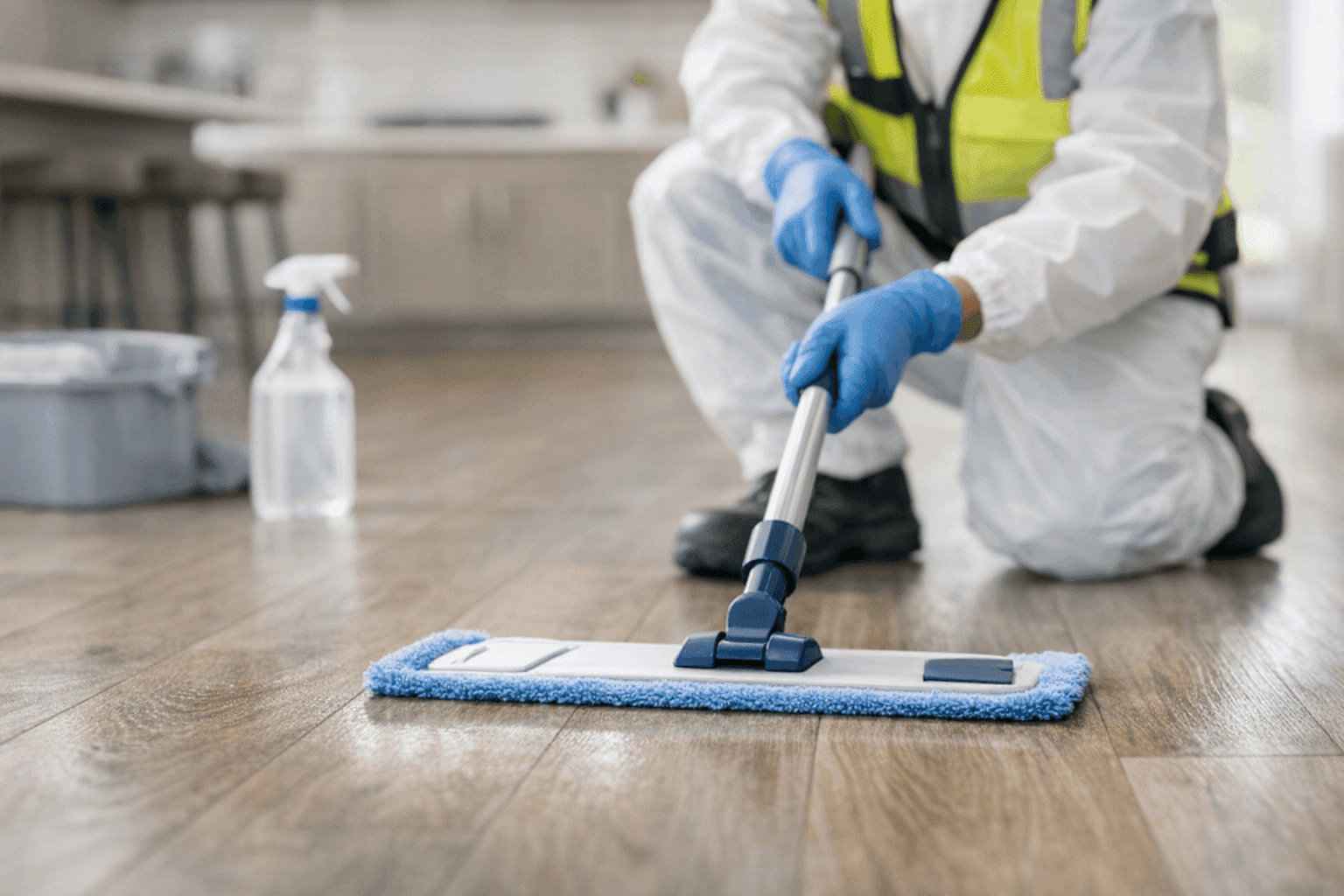
Luxury Vinyl Plank (LVP) flooring is a crowd-pleaser for many reasons—stylish, durable, and easier on the feet than cold tile. But what happens when muddy shoes, spilled juice, or pet paws put your beautiful floor to the test? If you want that “just installed” look to last, a little TLC goes a long way.
At JC Carpet & Flooring, we help homeowners and businesses get the most out of their investment. Here’s how to keep your LVP looking fresh and fabulous—without stress or worry.
Daily and Weekly Care: The Habits That Matter Most 🧹
Think of LVP like your favorite pair of sneakers—they’re made to last but need regular cleaning. Dirt and grit act like sandpaper, slowly wearing away the finish. Here’s how to build a routine that protects your floors:
- Sweep or vacuum daily. Use a soft-bristle broom or a vacuum with a hard-floor setting. Avoid rotating brushes—they can scratch the surface.
- Damp mop weekly. Just water is often enough. If you need a cleaner, choose one labeled safe for LVP or vinyl. Avoid ammonia, bleach, and highly alkaline solutions, which can dull or damage the finish.
- Wipe spills right away. LVP is water-resistant, but puddles left too long can seep into seams or edges.
- Use mats at entrances. Catch the grit before it enters. Just remember to shake them out regularly.
Deep Cleaning: When Soap and Water Aren’t Enough
Even the best-kept floors need a deep clean from time to time—think of it as a spa day for your LVP. If regular mopping isn’t cutting through scuffs or sticky residue, try this:
- Choose the right cleaner. Stick with pH-neutral products. Bona and Zep are reputable brands, as recommended by the Resilient Floor Covering Institute.
- Work in sections. Mop a small area, then dry it with a soft towel to avoid streaks.
- Tackle tough spots. For stubborn marks, use a soft cloth dampened with rubbing alcohol. Never use abrasive pads or steel wool.
- Let floors dry. Good airflow helps—open a window or turn on a fan.
If you’re dealing with a major mess—think spilled paint, adhesives, or deep stains—sometimes it’s best to call a professional who offers flooring maintenance.
Quick Safety Checklist: Protecting Your Family and Floors
- Check product labels. Look for “safe for luxury vinyl” or “pH-neutral.” Avoid wax, polish, or oil soaps.
- Allergy concerns? Opt for unscented, hypoallergenic cleaners. The EPA’s Safer Choice program lists many safe options.
- Test new products. Always try cleaners in an out-of-the-way spot before using them across the floor.
- Store chemicals safely. Keep all floor care products out of reach of children and pets.
Scratch Prevention: Small Steps, Big Savings 🛡️
LVP is tough, but it’s not invincible. Picture it like a shield—strong, but vulnerable to repeated blows. Here’s how to keep scratches at bay:
- Felt pads under furniture. Especially for chairs, tables, and anything with a hard leg.
- Rugs in high-traffic areas. Hallways, kitchens, and playrooms benefit from extra protection.
- Trim pet nails. Even the gentlest pets can leave tracks.
- Lift, don’t drag. When moving furniture, pick it up instead of sliding it.
Spill Response: Fast Action, Less Damage
Spills are inevitable. The key is how quickly you react. If something lands on your LVP:
- Blot with a clean, dry cloth. Press—don’t rub—to absorb as much as possible.
- Damp wipe. Use a barely damp microfiber cloth for sticky spots.
- Dry immediately. Don’t leave puddles behind.
For larger spills or water leaks (like dishwashers or washing machines), inspect the edges and seams for swelling. If you see warping, it’s time to call a Luxury Vinyl Plank (LVP).
DIY vs. Call a Pro: Knowing Your Limits
Routine care is a DIY job. But if you face:
- Deep scratches, gouges, or torn planks
- Water damage or buckling
- Persistent stains that won’t budge
Don’t risk making things worse. Flooring professionals have specialized tools and techniques—and can often save you money by preventing bigger repairs down the road.
What the Pros Do On Arrival
When JC Carpet & Flooring arrives, we:
- Assess the condition of your LVP, including seams, finish, and subfloor.
- Use commercial-grade cleaning equipment with products approved by manufacturers.
- Offer recommendations for ongoing Flooring Maintenance.
- Never use harsh chemicals or abrasive pads that could void your warranty.
Common Mistakes: Avoid These Pitfalls
- Too much water. Soaking the floor can lead to swelling or mildew under the planks.
- Wrong cleaners. Ammonia, bleach, and vinegar can break down the wear layer, causing dull spots.
- Ignoring small damage. Tiny scratches can grow. Address them early.
Seasonal Considerations: Changing With the Weather 🌡️
LVP handles climate swings better than hardwood, but:
- Humidity spikes: Use a dehumidifier in summer to prevent expansion.
- Winter salt and sand: Place extra mats at entrances. Salt can scratch and dull the finish.
- Heavy rain: Pay attention to leaks or puddles near doors and windows.
Costs and Time Factors: Setting Realistic Expectations
- Routine cleaning: Most homes can be swept and spot-cleaned in under 20 minutes a day.
- Deep cleaning: Plan on 30–60 minutes for an average-sized room.
- Professional service: Costs vary by square footage and condition. Investing in annual maintenance can extend your floor’s life by years.
Floor-Friendly Equipment: What to Use and What to Skip
Use:
- Microfiber mops
- Soft-bristle brooms
- Vacuums with hard-floor settings
Skip:
- Steam mops (excess heat/moisture can harm the planks)
- Abrasive scrubbers
- Waxing machines
Signs of Trouble: When Your Floor Needs Attention
- Edges lifting or curling
- Discoloration or cloudy spots
- Cracking sounds when you walk
- Persistent odor after cleaning
These may signal issues below the surface—subfloor problems, moisture, or installation errors. Don’t ignore them.
Timeline & Disruption: Planning for Deep Cleaning
- Prep: Move small furniture and rugs out of the way.
- Cleaning: Most deep cleans are finished in a few hours.
- Drying: LVP dries quickly; you’ll be walking on it by the end of the day.
For businesses, consider scheduling after hours or on weekends to minimize disruption.
Frequently Asked Questions About LVP Care
Can I use vinegar to clean my LVP?
No. Vinegar is acidic and can dull or damage the finish.
Is LVP safe for homes with allergies?
Yes. Its smooth surface doesn’t trap dust or allergens, especially when cleaned regularly with unscented, hypoallergenic products.
Can I refinish LVP floors?
Unlike hardwood, LVP can’t be sanded or refinished. Replace damaged planks instead.
Final Thoughts: LVP Maintenance Means Lasting Beauty
Caring for Luxury Vinyl Plank floors doesn’t have to be complicated. Build a habit, use safe products, and treat your floors with respect—they’ll reward you with years of beauty and performance.
If you’re ever in doubt, JC Carpet & Flooring is here to help with professional advice and services for every type of flooring, residential or commercial.
Call JC Carpet & Flooring now — or reach us anytime at 855-557-1115 .