How to Clean and Seal Grout Like a Pro
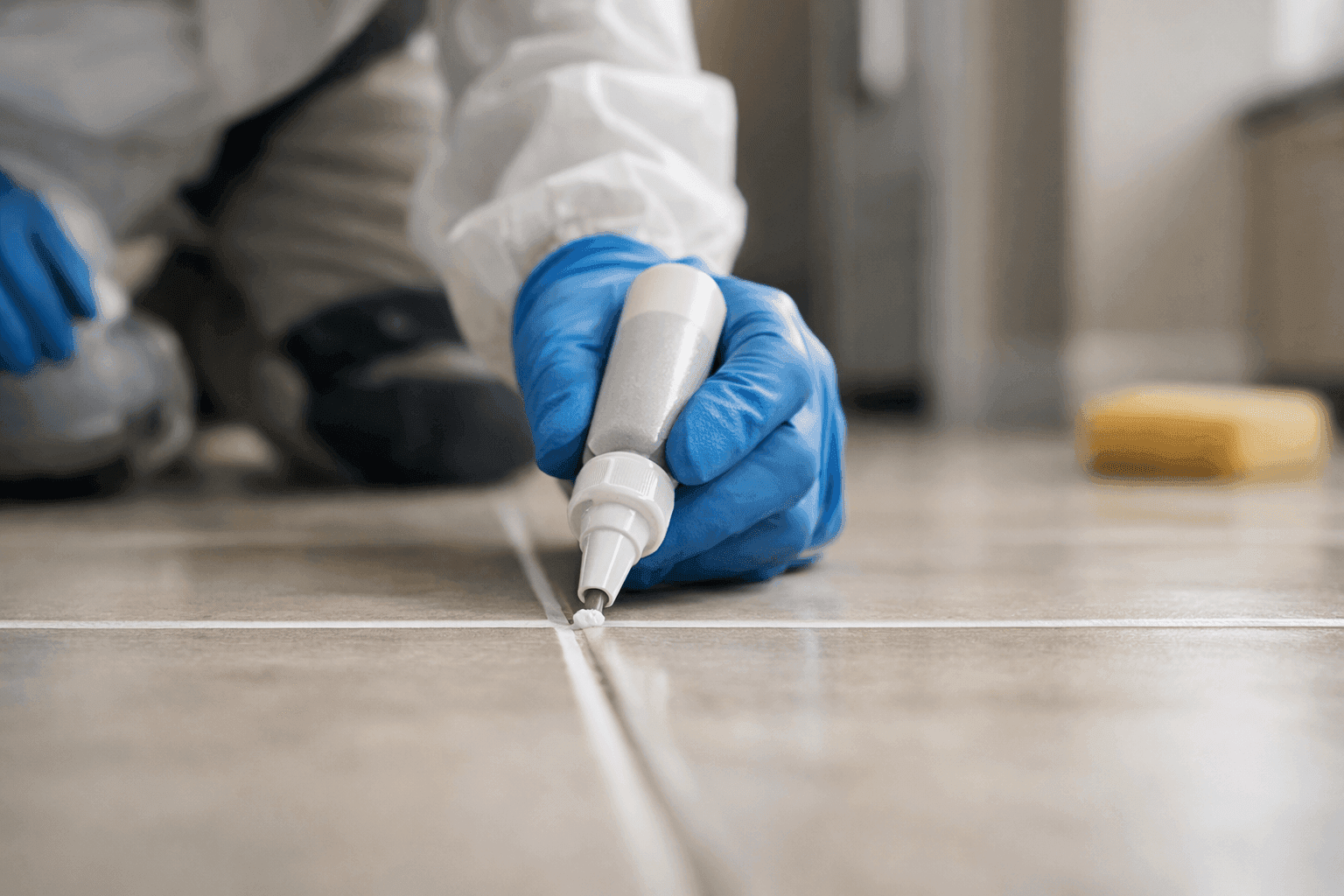
Is your tile floor looking tired, no matter how often you mop? You’re not alone. Grimy, stained grout sneaks up on even the cleanest households and busiest commercial spaces. The good news: you can revive your floors—and keep them looking sharp—with the right cleaning and sealing routine. At JC Carpet & Flooring, we know that clean grout isn’t just cosmetic. It protects your investment and your indoor air quality.
It’s not rocket science, but there’s a real art to doing it right. Let’s break down the steps, products, and pro tips so you can tackle grout like a flooring specialist.
Why Grout Gets So Dirty (and Why It Matters)
Grout is like the sidewalk between your tiles—great at catching dirt, spills, and bacteria. Over time, these tiny trenches act like magnets for grime and moisture. If left unchecked, this can lead to stains, mold, and even crumbling grout lines. In homes, this means your kitchen or bathroom suddenly looks years older. In commercial spaces, dirty grout can turn off customers and invite health code violations.
Clean grout isn’t just about looks. It also helps your floors last longer and keeps allergens at bay.
Quick Safety Checklist Before You Start 🧤
Before diving into grout cleaning, take a moment for safety:
- Wear gloves to protect your skin from harsh cleaners.
- Ensure good ventilation—open windows or flip on a fan.
- Keep pets and kids away from the cleaning area.
- Always read product labels and follow manufacturer instructions.
- Test cleaners in a small, hidden area first.
The CDC and EPA both recommend using non-toxic, low-VOC cleaning products whenever possible—especially for families with allergies or sensitive pets.
Cleaning Steps: How to Scrub Grout Like a Pro
Ready to see a difference? Follow these steps for sparkling grout:
- Dry sweep or vacuum the floor to remove loose dirt.
- Mix a gentle cleaner—start with warm water and a few drops of dish soap. For tougher stains, use a baking soda paste or an oxygenated bleach product (never mix with ammonia).
- Apply the cleaner to grout lines. Let it sit for 5–10 minutes to break down grime.
- Scrub with a stiff-bristled brush—an old toothbrush works in tight spaces.
- Rinse with clean water, mopping up residue.
- Repeat on tough spots, but don’t over-saturate (excess water can damage grout).
For deep stains, specialty grout cleaners are available. Be sure they’re suitable for your specific floor type, whether it’s ceramic, porcelain, or natural stone.
The Sealing Process: Lock Out Stains and Moisture
Cleaning is only half the job. Sealing grout is like putting a raincoat on your floor—it repels spills, dirt, and mold.
- Wait until grout is fully dry (12–24 hours after cleaning).
- Choose a high-quality grout sealer—either penetrating (soaks in and protects from within) or membrane-forming (sits on the surface).
- Apply sealer with a small brush, bottle applicator, or roller. Work in small sections for even coverage.
- Wipe up excess from tiles right away to avoid haze.
- Let sealer cure as directed—usually 24 hours before heavy use.
EPA and manufacturer’s guidelines recommend resealing grout every 1–2 years, though high-traffic areas may need it more often.
Products to Use (and Those to Avoid) 🧴
Good choices:
- pH-neutral cleaners (gentle on grout and tile)
- Oxygen bleach (for stubborn spots—never mix with vinegar or ammonia)
- Penetrating grout sealers (for kitchens, baths, and high-use areas)
- Soft brushes (firm enough to scrub, not so hard they scratch)
Avoid:
- Acidic cleaners (like vinegar) on natural stone or colored grout
- Metal brushes, which can erode grout
- Oily or waxy sealers that leave residue
Always use products labeled as safe for indoor air quality, especially if you have allergies or pets.
Maintenance: How to Keep Grout Clean Year-Round
A little ongoing care prevents big headaches later. Try this:
- Wipe up spills promptly, especially liquids that stain (wine, coffee, tomato sauce)
- Sweep or vacuum regularly
- Mop monthly with a pH-neutral cleaner
- Check grout for cracks or discoloration every few months
If you spot mold, act fast. Mold loves moist grout and can trigger allergies or asthma. Scrub with a baking soda paste or a hydrogen peroxide solution, and dry thoroughly.
DIY or Call a Pro? Knowing When to Get Help
Some grout jobs are perfect for DIY. But there are times to call in a professional flooring company:
- Large areas or commercial spaces
- Mold that keeps returning
- Crumbling or missing grout
- Floors with delicate, natural stone tiles
Pros use commercial-grade equipment and sealers that last longer. They’ll also spot hidden issues, like subfloor moisture, that a homeowner might miss.
What JC Carpet & Flooring Pros Do on Arrival
When you schedule grout cleaning and sealing with us, here’s what to expect:
- Inspection of grout and tile, including moisture testing
- Safe, low-odor cleaning products
- Deep scrubbing with commercial brushes and extractors
- Precise sealer application with attention to tricky corners
- Advice on future care and maintenance
We’re committed to safe, effective, and allergy-friendly methods for every home or business.
Signs of Grout Trouble: What to Watch For
Don’t ignore these red flags:
- Dark, discolored, or patchy grout lines
- Grout cracking or crumbling
- Persistent mildew smell
- Tiles shifting or feeling loose
These issues might signal water damage, foundation shifts, or simply neglected maintenance. If in doubt, book a flooring inspection for peace of mind.
Common Mistakes to Avoid 🚫
- Using harsh acids or bleach without rinsing
- Skipping the sealer step
- Over-wetting floors (can weaken both grout and subfloor)
- Forgetting to let grout dry before sealing
Take your time—rushing leads to missed spots and future problems.
How Often Should You Clean and Seal Grout?
There’s no universal answer, but here’s a practical guideline:
- Clean: Lightly every 1–2 weeks; deep clean every 2–3 months.
- Seal: Every 12–18 months, or whenever water no longer beads on the grout surface.
Busy kitchens, bathrooms, and commercial spaces may need more frequent attention.
Costs, Time, and Disruption
- DIY grout cleaning: a few hours for a kitchen or bathroom
- Professional service: typically 2–4 hours, depending on area size
- Sealing: adds a few more hours, plus drying time
Most projects are easy to fit into your schedule, and you can usually walk on sealed grout after it cures overnight.
When It’s an Emergency
If you see black spots spreading fast, tiles lifting, or smell a musty odor, don’t wait. Mold and water damage can snowball quickly. Call a professional right away to protect your flooring investment.
Seasonal Considerations: Grout Care Year-Round
- Spring/Summer: Humidity can speed up mold growth—ventilate and dry floors well.
- Fall/Winter: Salt and sand from shoes can grind into grout—sweep more often.
- Basements and garages: Moisture barriers may help prevent future grout issues.
Allergy and Product Safety: What You Need to Know 🌱
Using the wrong cleaner can trigger allergies or asthma. Look for products labeled “low VOC” and avoid anything with strong artificial fragrances. The American Lung Association recommends keeping windows open during major cleaning and always storing products away from food and children.
Flooring Longevity Starts with Grout
Regular grout cleaning and sealing isn’t just a chore—it’s insurance for your floors. Whether you’re caring for sleek tile in your kitchen or durable commercial flooring in your business, your grout is the line of defense against daily wear and tear.
For more on tile care or other flooring solutions, see our Tile Flooring and Flooring Maintenance service pages. If you’re looking for reliable flooring services, our team is ready to help.
Call JC Carpet & Flooring now — or reach us anytime at 855-557-1115 .