How to Extend the Life of Your Floors: Pro Tips
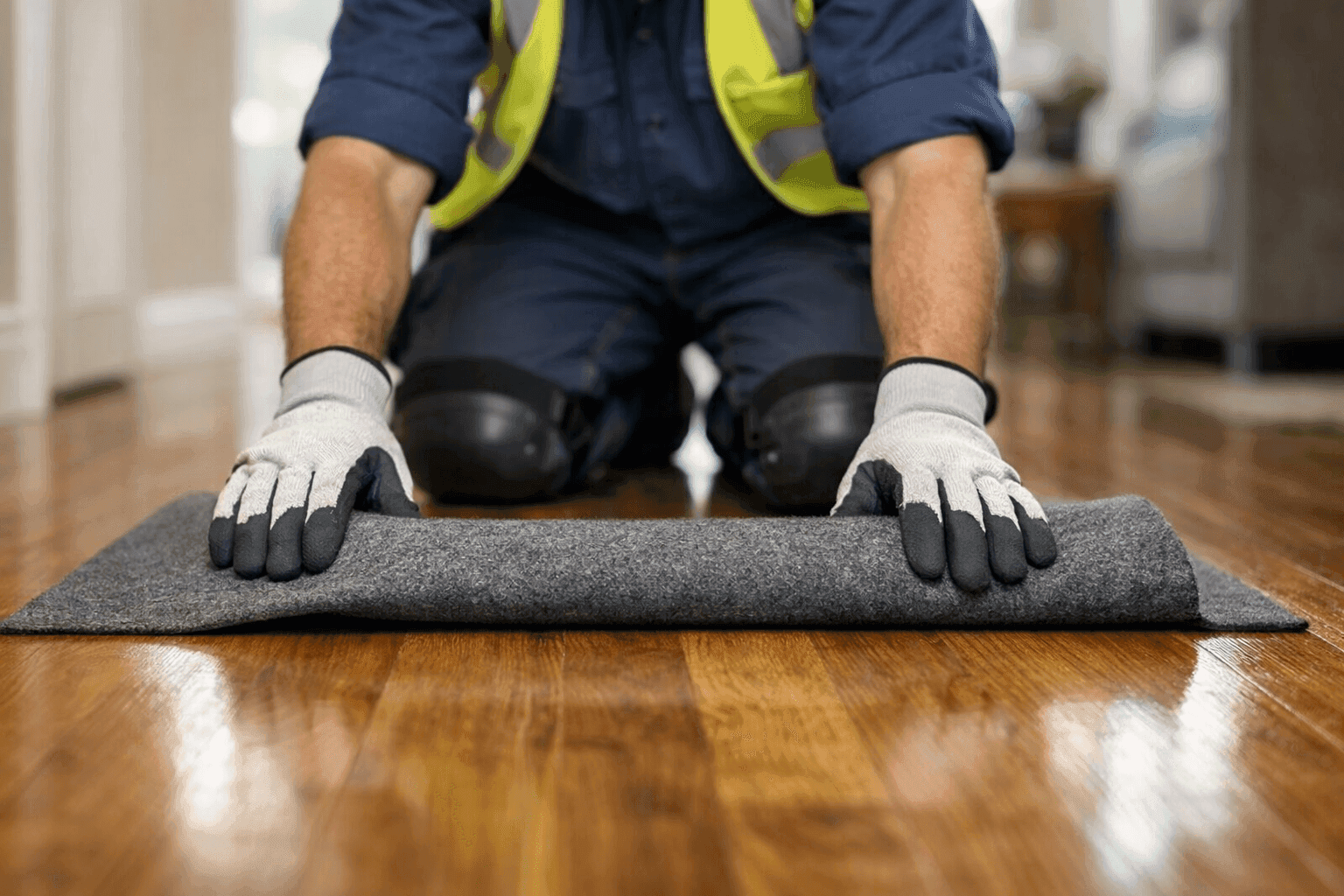
Every floor tells a story. Maybe it’s the first step into a new home, the click of heels in a busy office, or a pet’s paws chasing sunlight. But floors also face daily battles—mud, spills, scratches, and time itself. At JC Carpet & Flooring, we know the secret: it’s the little routines that keep your flooring looking and feeling its best, year after year.
Let’s break down the real-world ways to protect your investment, avoid costly repairs, and keep every surface—hardwood, vinyl, tile, or carpet—ready for whatever life throws its way.
Daily Habits: Small Steps, Big Results
Think of floor care like brushing your teeth. Ignore it, and problems build up fast. But a few minutes each day? That’s all it takes to keep things shining.
- Kick off dirt at the door: Place sturdy mats at every entrance. This traps grit before it grinds into your floors.
- Sweep or vacuum regularly: For hardwood, vinyl, and tile, a soft broom or microfiber dust mop works wonders. Vacuum carpets using a clean filter and the right height setting.
- Wipe up spills right away: Water and liquids are flooring’s worst enemies—especially for wood and carpet. Fast action prevents stains, warping, and mold.
- Shoes off inside: Shoes track in sand, salt, and oil. Encourage a no-shoes rule, especially for homes with young kids crawling around.
These habits are simple but powerful. According to the National Wood Flooring Association, removing debris daily is one of the most effective ways to reduce scratches and wear.
Protective Mats and Rugs: Your Floor’s Best Friend 🛡️
High-traffic areas—think kitchens, hallways, entryways—take the most abuse. Protective mats can be a floor’s shield.
- Entry mats trap outdoor dirt and moisture.
- Runner rugs along hallways absorb impact and reduce wear.
- Chair mats under office chairs prevent scuffs on hardwood and vinyl.
For carpeted rooms, area rugs add style and an extra layer of defense. Make sure mats and rugs have non-slip backings to avoid trip hazards.
Cleaning Schedules That Actually Work
A calendar isn’t just for meetings. It’s your secret weapon for floor care.
- Weekly: Mop hard surfaces with a product made for your floor type. Avoid harsh chemicals—pH-neutral cleaners are safest.
- Monthly: Deep-clean carpets and rugs, using a vacuum with a HEPA filter. Spot-treat stains before they set.
- Seasonally: Move furniture and clean underneath. Rotate area rugs to spread out wear. Wash floor registers and baseboards.
For tips on safe products, the EPA’s Safer Choice program lists floor cleaners that protect both your surfaces and your air quality.
Humidity and Moisture: Invisible Enemies
Too much or too little moisture can wreak havoc on floors. Wood swells or shrinks. Vinyl and laminate can warp. Mold can take hold beneath carpet.
- Keep indoor humidity between 30-50%, as recommended by the CDC.
- Run a dehumidifier in damp basements or during muggy months.
- Use a vapor barrier beneath flooring in moisture-prone areas.
Check for leaks under sinks, appliances, and around windows. Early fixes save you from costly repairs down the road.
Early Repairs: Fix Small, Save Big
A tiny chip in tile. A loose plank in the kitchen. A snagged carpet thread. These are whispers before the storm.
- Patch and repair damage fast to prevent spreading.
- Replace cracked grout or tiles promptly.
- Address squeaks and soft spots in hardwood before they become major issues.
Not sure if it’s a quick fix or a bigger problem? Schedule a Flooring Consultation with a pro who can spot underlying issues.
When to Call a Pro: Don’t Wait Until It’s Too Late
DIY can save money, but some jobs are better left to the pros:
- Deep stains and odors in carpet
- Major scratches or gouges in hardwood
- Epoxy or specialty floor coatings
- Water damage or mold beneath the surface
- Grout cleaning and sealing for tiled floors
Certified flooring specialists use equipment and techniques that go beyond what’s possible with household tools. And if you ever need flooring maintenance, they’ll know exactly where to start.
Safety First: Protecting Your Family and Your Investment 🦺
Flooring care isn’t just about looks. It’s about safety.
- Slippery spots: Clean up spills fast to prevent falls.
- Loose tiles or planks: Secure them to prevent trips.
- Dust and allergens: Regular vacuuming and cleaning can improve indoor air quality, especially for allergy sufferers.
The American National Standards Institute (ANSI) provides guidelines for slip resistance and flooring safety—always follow these in shared or commercial spaces.
Seasonal Routines: Weathering the Storm
Every season brings unique challenges.
- Spring: Mud and pollen can damage floors. Clean mats and vacuum more often.
- Summer: Humidity spikes—watch for warping or musty smells.
- Fall: Leaves and grit get tracked in. Sweep daily.
- Winter: Road salt and melted snow can eat away at finishes. Use extra mats and wipe up water at the door.
Adjust your cleaning schedule as the weather changes to stay ahead.
Common Mistakes (And How to Dodge Them)
Even the best intentions can go sideways. Watch out for these pitfalls:
- Using too much water on wood or laminate floors.
- Cleaning with bleach or abrasive products.
- Dragging furniture across the floor.
- Skipping regular maintenance.
Always check your flooring manufacturer’s care guidelines for specific do’s and don’ts.
Signs It’s Time for Maintenance
Floors speak up when they need help:
- Carpet feels matted or smells musty
- Hardwood loses its shine or shows deep scratches
- Tiles have cracked grout or loose pieces
- Vinyl or laminate shows bubbles or lifting
When you spot these signs, don’t wait. Prompt attention can save the surface—and your budget.
Timeline and Disruption: What to Expect
Worried about chaos when it’s time for deeper work? Good news: Most maintenance can be done in a day or less.
- Carpet cleaning: A few hours, with drying time after.
- Hardwood refinishing: Plan for a day or two out of the room.
- Tile and grout work: Usually done in a single day.
Ask your flooring contractor about what’s involved before any big project.
Materials and Equipment: What You Really Need
No need for fancy gadgets. For most homes or businesses, these basics cover it:
- Soft-bristle broom or microfiber mop
- pH-neutral floor cleaner
- Vacuum with adjustable height
- Protective pads for furniture
- Clean, absorbent cloths
For specialty floors—like epoxy, cork, or radiant-heated surfaces—consult your installer for tailored advice.
Floor Maintenance for Businesses and Busy Homes
Commercial spaces and high-traffic homes need extra care:
- Schedule regular professional cleaning and inspections.
- Use commercial-grade mats and finishes.
- Establish a cleaning log for staff or family to follow.
A Flooring Consultation helps businesses create a plan that fits their unique needs.
Emergency Situations: What’s an Urgent Floor Problem?
Some flooring problems can’t wait:
- Flooding or standing water
- Major warping, buckling, or trip hazards
- Suspected mold growth
Turn off water sources if needed and call a professional immediately. Your safety comes first.
Frequently Asked Questions
How often should I refinish hardwood floors?
On average, every 7–10 years, but high-traffic areas may need more frequent touch-ups.
Is steam cleaning safe for all floors?
Steam is great for tile, but can damage wood, laminate, or vinyl. Always check your floor’s care guide.
Can I use vinegar on my floors?
Vinegar can dull or damage some finishes, especially on stone or hardwood. Stick to pH-neutral cleaners.
The JC Carpet & Flooring Difference
We believe that caring for your floors is caring for your home or business. From simple daily steps to specialized maintenance, our team is here to help you make smart choices—so your floors last longer and look better, year after year.
Looking for reliable Flooring Maintenance or a professional flooring company near you? Give us a call today to discuss your needs.
Call JC Carpet & Flooring now — or reach us anytime at 855-557-1115 .