How to Handle Flooring Emergencies After a Flood or Storm
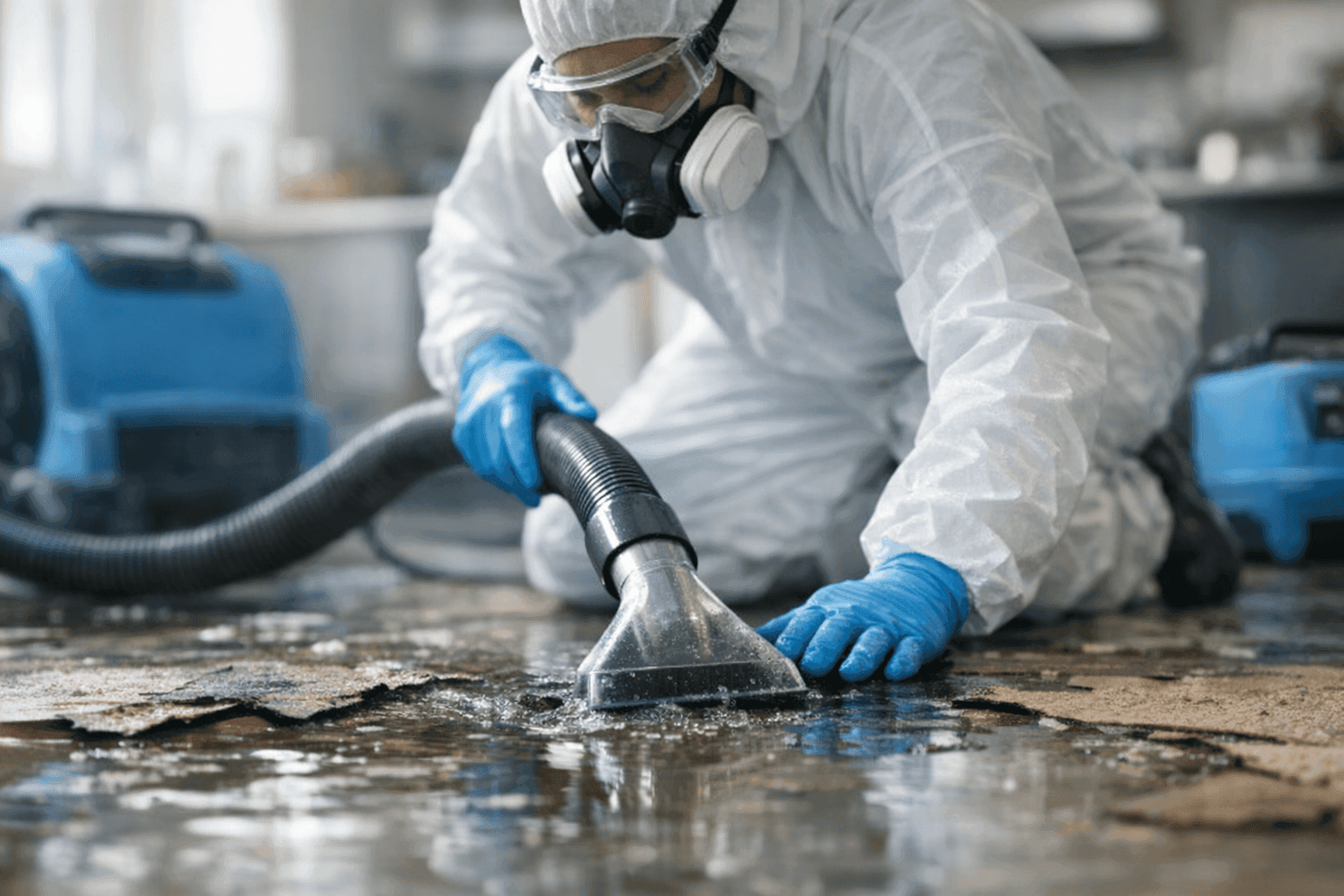
When floodwaters invade your home or business, the chaos is immediate and overwhelming. Floors soak up water like a sponge, and suddenly, your safe space feels unstable. At JC Carpet & Flooring, we've seen how storms and floods can turn solid ground into a soggy mess—and we know how stressful it feels.
Acting quickly makes all the difference. The right steps protect your property, your health, and your peace of mind. Let’s guide you through what to do if your flooring faces a watery disaster.
The Problem: Water and Flooring Don’t Mix
Floods and storms can turn beautiful hardwood, carpet, or vinyl into a hazard zone in minutes. Water seeps under floors, warping, buckling, or breeding mold. Sometimes, it’s not just the surface—subfloors and the structure underneath can also be at risk.
No matter if it’s residential flooring near you or a commercial office, the problem is urgent. Water waits for no one.
Immediate Steps: Safety First 🛑
Before you start thinking about repairs, focus on safety. Floors after flooding can hide risks. Here’s a quick checklist:
- Turn off power: If water is near electrical outlets or appliances, shut off the power at the main breaker.
- Avoid standing water: Don’t wade through deep water—there could be sharp objects or live wires.
- Protect yourself: Wear boots and gloves. Floodwaters may carry bacteria or chemicals.
- Move valuables: If you can do it safely, remove furniture, rugs, and items off the floor to prevent further damage.
- Document everything: Take clear, well-lit photos of the damage for insurance purposes.
If in doubt, wait for professionals. Safety comes before salvage.
Water Removal: Get the Water Out Fast
Speed is your ally. The longer water lingers, the more damage it causes. Here’s how to start:
- Mop and blot: Soak up as much water as possible using towels or a mop.
- Wet vacuums: A wet/dry shop vacuum is great for extracting water from hard surfaces and carpets.
- Open doors and windows: Increase airflow to start the drying process.
- Remove soaked rugs or mats: These can trap moisture and slow drying.
- Call for help: For deep flooding, professional extraction equipment is often needed.
Water can sneak into every nook—be thorough, but don’t risk your health or safety.
Drying Out: Stop Mold Before It Starts 🌬️
Once surface water is gone, drying truly begins. Mold can start growing within 24–48 hours. Here’s what helps:
- Fans and dehumidifiers: Place them in the affected area for continuous airflow and moisture removal.
- Lift or remove damaged flooring: For severe cases, you may need to pull up carpet, vinyl, or laminate to dry the subfloor underneath.
- Check hidden areas: Look under baseboards, behind cabinets, and in closets.
- Remove baseboards: This lets air circulate and helps dry the hidden edges.
- Professional drying: Industrial air movers and dehumidifiers can make a big difference, especially for large or commercial spaces.
Follow FEMA and CDC guidelines on mold prevention. If you see or smell mold, it’s time to call in the pros.
Assessing the Damage: What Needs Repair?
Not all floors can be saved after a flood. Some materials bounce back; others don’t. Here’s what to check:
- Hardwood: Look for cupping, buckling, or dark stains. Minor warping may be sanded and refinished, but severe damage often means replacement.
- Carpet: If it’s been soaked for more than 24 hours, replacement is usually safest due to mold risk.
- Luxury Vinyl Plank (LVP) and Laminate: These can swell or warp with water; check for bubbling or separation.
- Subfloors: Soft spots, sagging, or odor indicate deeper damage.
- Tile and Grout: Tiles may survive, but water underneath can damage the subfloor.
Consider a professional Floor Inspections service for a thorough look beneath the surface.
DIY or Call a Pro? Knowing Your Limits
Some cleanups are manageable with elbow grease. Others need professional tools and know-how.
- DIY is possible for small spills or when water is only on the surface.
- Call a pro if:
- Water has soaked into the subfloor.
- There’s visible mold or a strong musty odor.
- Floors are buckling or sagging.
- The area is large, or it’s a commercial property.
Pros use moisture meters, infrared cameras, and industrial dryers to diagnose and fix issues you can’t see.
What Pros Do When They Arrive
When JC Carpet & Flooring arrives, we don’t just mop up and run. Here’s the process:
- Thorough inspection: Checking for visible and hidden water damage.
- Moisture testing: Using meters to find damp spots under floors.
- Targeted drying: Setting up air movers, dehumidifiers, or removing baseboards and trim.
- Sanitizing: Treating affected areas to kill bacteria and prevent mold growth.
- Repair or removal: Deciding what can be saved, what must go. Professional Flooring Removal ensures all wet, damaged materials are safely out.
- Documentation: Detailed notes and photos for insurance.
We follow industry standards like the IICRC S500 for water damage restoration.
Prevention & Maintenance: Shielding Your Floors for Next Time
Flooding hurts, but you can make your floors more resilient:
- Moisture barriers: Install under hardwood or laminate—especially in basements.
- Seal grout and tile: Keeps water from sneaking underneath.
- Regular inspections: Catch leaks or slow drips before they escalate.
- Elevate appliances: Washing machines and water heaters should be on platforms if possible.
- Gutters and grading: Direct water away from your foundation.
Ask about eco-friendly flooring or water-resistant options for vulnerable spaces.
How Much Does Floor Repair Cost After Flooding?
Costs vary. It depends on:
- Type of flooring: Hardwood, LVP, carpet, and tile differ in repair and replacement costs.
- Extent of damage: Surface water is cheaper to fix than water deep in subfloors.
- Square footage: Larger spaces mean more materials and labor.
- Mold remediation: Adds time and expense.
Insurance may cover some or all costs. Document everything and contact your provider promptly.
When Is It a True Flooring Emergency?
A wet floor isn’t always an emergency, but here’s when it is:
- Standing water persists: After hours, not minutes.
- Structural damage: Floors feel soft, uneven, or bowing.
- Electrical hazards: Water near outlets or appliances.
- Strong mold odor: Indicates hidden growth.
- Commercial settings: Downtime means lost revenue.
Act quickly. Every hour counts.
Common Mistakes to Avoid
- Waiting too long: Delays let mold and rot set in.
- Skipping safety gear: Floodwater can be contaminated.
- Overlooking hidden damage: What you can’t see can hurt you later.
- Salvaging soaked carpet: Often leads to mold.
- Neglecting documentation: Insurance claims need proof.
Your future self will thank you for being thorough.
Signs It’s Time for Professional Help
- Warped or cupped hardwood
- Persistent musty odors
- Mold spots on walls or baseboards
- Floors that squeak, sag, or feel uneven
- Water stains that keep growing
When in doubt, get a second opinion. Peace of mind is worth it.
Timeline: How Long Does Restoration Take?
- Water removal: Hours to a day, depending on severity.
- Drying: 2–7 days with professional equipment.
- Repairs: From a few days (minor fixes) to weeks (major replacement).
- Mold remediation: May extend the timeline.
Plan for some disruption. Moving quickly at each stage cuts down on delays.
What Materials and Equipment Help Most?
- Wet/dry shop vacuums
- Industrial air movers & dehumidifiers
- Moisture meters
- Protective gear: gloves, boots, masks
- Mold-killing cleaners (EPA-approved)
- Plastic sheeting to isolate wet areas
Pros may bring advanced tools, but even homeowners can start with basics while waiting for help.
Seasonal Flooding: Be Prepared Year-Round 🌧️
Spring thaws, summer storms, or winter ice dams—all can threaten your floors. Keep emergency supplies handy. Know where your water shutoff is. Make a plan for pets and valuables in case you need to act fast.
FAQs About Flooded Floors
Q: Can I save my hardwood floors after a flood? A: Sometimes, if water is removed quickly and drying begins immediately. Severe warping or mold usually means replacement.
Q: What about insurance? A: Most homeowners’ policies cover sudden water damage but not long-term leaks. Check your policy and keep records.
Q: How do I know if my subfloor is damaged? A: Signs include musty smells, spongy feel underfoot, or visible staining. Professionals can test with moisture meters.
Q: Is it safe to stay in the house? A: Only if there’s no electrical risk, structural damage, or visible mold. When in doubt, get an inspection.
Final Word: Protect Your Investment
Flooring is the foundation of your space—literally and figuratively. Whether it’s your cozy living room, a busy office, or a bustling commercial floor, fast action after a flood can save you time, money, and headaches. If you’re searching for a flooring company with a proven process, JC Carpet & Flooring is ready to help.
Call JC Carpet & Flooring now — or reach us anytime at 855-557-1115 .