How to Protect Garage Floors from Stains and Damage
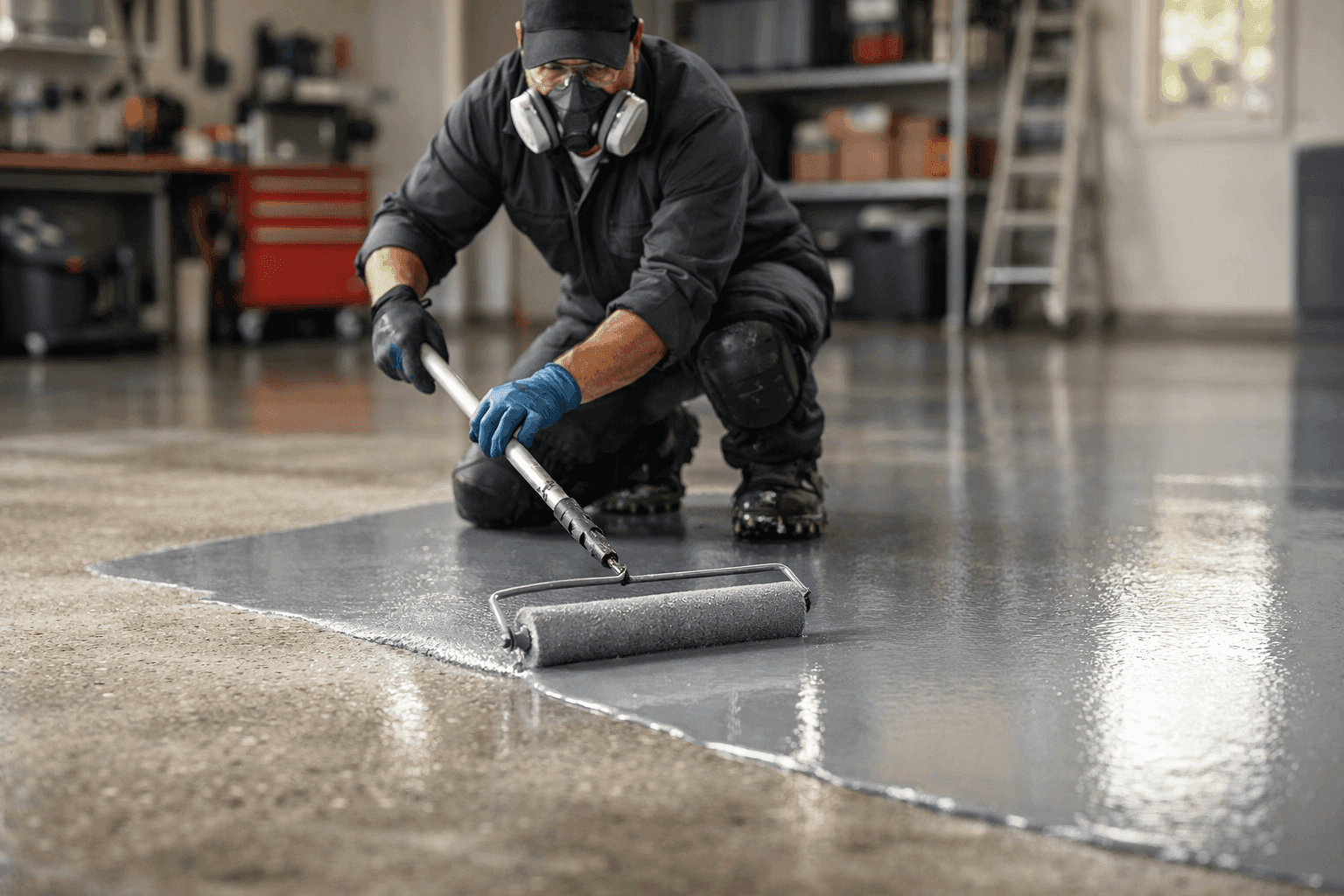
Is your garage floor taking a beating? It’s easy to ignore what’s underfoot—until one day you look down and see a patchwork of oil stains, chips, and mysterious marks. The garage is a hard-working space, but that doesn’t mean your floor has to show every mile, leak, or muddy footprint.
At JC Carpet & Flooring, we know floors inside and out. Whether you use your garage as a workshop, storage space, home gym, or just a safe spot for your car, protecting the floor is crucial for both safety and longevity.
Common Garage Floor Hazards
Your garage floor faces more threats than most surfaces in your home or business. Think of it as the front line of defense, battling everything from drips to downpours. Here’s what you’re up against:
- Oil and Chemical Spills: Motor oil, brake fluid, paint, and cleaning products can seep into porous concrete, leaving stains that refuse to budge.
- Road Salt and De-Icers: In winter, salt and chemicals hitch a ride on your tires, eating away at the floor and causing cracks.
- Moisture and Humidity: Water from snow, rain, or even washing your car can work its way into the slab, leading to mold, mildew, and freeze-thaw damage.
- Heavy Impact: Dropped tools, sports gear, and constant vehicle traffic can chip, dent, or wear down the surface.
- Dust and Debris: Concrete dust can become airborne, affecting air quality and settling on everything stored in your garage.
Ignoring these risks is like leaving your home’s front door wide open in a storm.
Why Garage Floor Protection Matters
A damaged garage floor isn’t just unsightly—it can be dangerous and expensive to repair. Cracks allow water to seep in, undermining the concrete and even affecting your home’s foundation over time. Slippery oil and moisture patches create real slip hazards for family, friends, and customers. For businesses, a clean and well-maintained garage makes a strong first impression and keeps operations safe.
The good news? With the right protection and routine care, you can keep your garage floor looking sharp and performing reliably year after year.
Epoxy Coatings: The Gold Standard in Garage Floor Defense 🛡️
Ask any seasoned flooring contractor, and epoxy will come up as a leading choice for garage floors. Why? It creates a rock-hard, seamless barrier that resists stains, chemicals, and impacts. Think of epoxy as a raincoat and armor all in one.
Benefits of Epoxy Garage Flooring:
- High resistance to oil, gasoline, and chemicals
- Easy to clean—just sweep and mop
- Available in multiple colors and finishes
- Adds brightness with a glossy, reflective surface
- Increases slip resistance (with proper additives)
- Meets many industry safety and fire code standards
Learn more about Epoxy Flooring for garages and commercial spaces.
Alternative Protection Options
Epoxy isn’t the only way to shield your garage floor. Consider these solutions based on your needs and budget:
- Interlocking Floor Tiles: Fast installation, modular design, and easy replacement. Great for DIY.
- Garage Floor Mats: Heavy-duty rubber or PVC mats catch spills, mud, and debris. Portable and affordable.
- Concrete Sealers: Penetrating or topical sealers block moisture and stains, extending floor life.
- Polyaspartic and Polyurethane Coatings: Faster curing and UV resistance for busy garages.
Each option has its pros and cons. Not sure what fits your garage or business? Our garage-flooring specialists can help you compare.
Quick Safety Checklist: Protecting People and Property
- Choose slip-resistant coatings, especially if your garage sees frequent foot traffic.
- Clean up spills quickly to avoid slip accidents and permanent stains.
- Look for coatings that meet OSHA or local fire safety guidelines.
- Avoid using harsh acids or solvents that can damage flooring and harm air quality.
- For commercial garages, consult local building codes for required safety measures.
Cleaning Routines Made Simple
Routine cleaning is the secret weapon for a spotless, long-lasting garage floor. Here’s a low-stress plan:
- Sweep Weekly: Use a soft-bristle broom or dust mop to pick up grit—before it scratches or embeds.
- Spot Clean Spills: Blot oil or chemicals right away with absorbent material. Use a mild degreaser for stubborn spots.
- Mop Monthly: A pH-neutral cleaner and warm water are all you need for most coated floors.
- Deep Clean Seasonally: Especially after winter, wash away salt and grime. Rinse thoroughly and let dry.
A quick routine can save you hours of heavy scrubbing later.
DIY vs. Professional Installation
It’s tempting to try a DIY kit, but garage floor protection is more than just rolling on a coat of paint. Surface prep is key—cracks must be filled, moisture tested, and old coatings removed. Many DIY jobs fail because of rushed prep or the wrong products.
Professionals bring commercial-grade materials, proven techniques, and specialized equipment. The result? A finish that lasts and performs as promised.
What Flooring Pros Do on Arrival
When a JC Carpet & Flooring team member arrives at your home or business, they:
- Inspect for moisture, cracks, and previous coatings
- Test for slab humidity (important for longevity)
- Recommend the right system for your needs
- Prep the surface—grinding, cleaning, repairing as needed
- Apply primers, base coats, and finishes for maximum protection
- Review safe curing times and cleaning instructions
This process ensures a high-quality, durable result—no shortcuts.
Prevention & Maintenance: Extend the Life of Your Garage Floor
After installation, a little care goes a long way. Here’s how to keep your protected garage floor in top shape:
- Place mats at entry points to catch dirt and road salts
- Use soft wheels or pads under heavy equipment
- Touch up scratches or chips before they spread
- Schedule professional inspections every few years, especially for commercial sites
Simple steps, big savings.
Costs and Time Factors
Garage floor protection is an investment. Materials like epoxy or polyaspartic coatings cost more upfront than paint, but they pay off in durability and appearance. Most residential installs take 1-3 days, factoring in surface prep and curing. Commercial projects may take longer, depending on size and use.
Mats and modular systems offer faster, lower-cost options but may need more frequent replacement.
When It’s an Emergency
If you notice sudden cracking, standing water, or major spills (like a chemical leak), act quickly. Prolonged moisture can lead to structural issues or hazardous conditions. Contact a professional for assessment and urgent repairs.
Seasonal Considerations: Winter, Summer, and Everything in Between ❄️
Garage floors face different threats throughout the year:
- Winter: Salt, slush, and freezing temperatures can cause expansion cracks.
- Spring: Melting snow brings moisture and mud.
- Summer: Heat and humidity may expose existing weaknesses or cause coatings to bubble.
- Fall: Leaves and debris trap moisture against the floor.
Plan seasonal deep cleans and inspections, especially before and after harsh weather.
Common Mistakes to Avoid
- Skipping surface prep before coating or sealing
- Using the wrong cleaner (like bleach or harsh acids)
- Delaying repairs for small cracks or chips
- Forgetting about slip resistance
- Ignoring manufacturer’s care instructions
A little caution now prevents headaches later.
Signs of Trouble: When to Call for Help
Watch for these red flags:
- Persistent stains that won’t lift
- Cracks wider than a pencil
- Bubbling or peeling coating
- Standing water after rain or snow
- Musty odors (a sign of trapped moisture or mold)
If you spot these, don’t wait. Professional flooring services can assess and fix issues before they get worse.
Timeline & Disruption: What to Expect
Most garage flooring projects are quick and straightforward, but expect some disruption. You’ll need to clear out the space, and let coatings cure fully before heavy use. Our crews do their best to minimize downtime, but plan for 1-3 days for most residential jobs.
For businesses, we offer flexible scheduling to reduce impact on your operations.
Materials & Equipment: What Makes the Difference
Quality products matter. At JC Carpet & Flooring, we use commercial-grade epoxies, moisture barriers, and slip-resistant additives that meet industry standards (referenced by the American Concrete Institute and OSHA). Proper application tools—grinders, squeegees, and safety gear—ensure a flawless, even finish.
FAQ: Quick Answers for Garage Floor Protection
Q: Can I park my car on a newly coated floor right away?
A: Wait until the manufacturer’s recommended cure time—usually 24-72 hours.
Q: Is epoxy safe for homes with kids or pets?
A: Absolutely, once cured. Many coatings are low-VOC and slip-resistant.
Q: How often should I reseal or recoat my garage floor?
A: Most high-quality coatings last 5–10 years with regular maintenance.
Q: Does floor protection add value to my home or business?
A: Yes—a clean, finished garage is a selling point and boosts curb appeal.
Your Next Step: Professional Garage Flooring Near You
Protecting your garage floor isn’t just about looks—it’s about safety, value, and peace of mind. Whether you’re a homeowner or manage a busy workshop, JC Carpet & Flooring brings the right know-how and materials to every job.
If you’re searching for reliable flooring services, our team is ready to help you choose and install the perfect solution for your space.
Call JC Carpet & Flooring now — or reach us anytime at 855-557-1115 .