How to Select and Install Baseboards with New Flooring
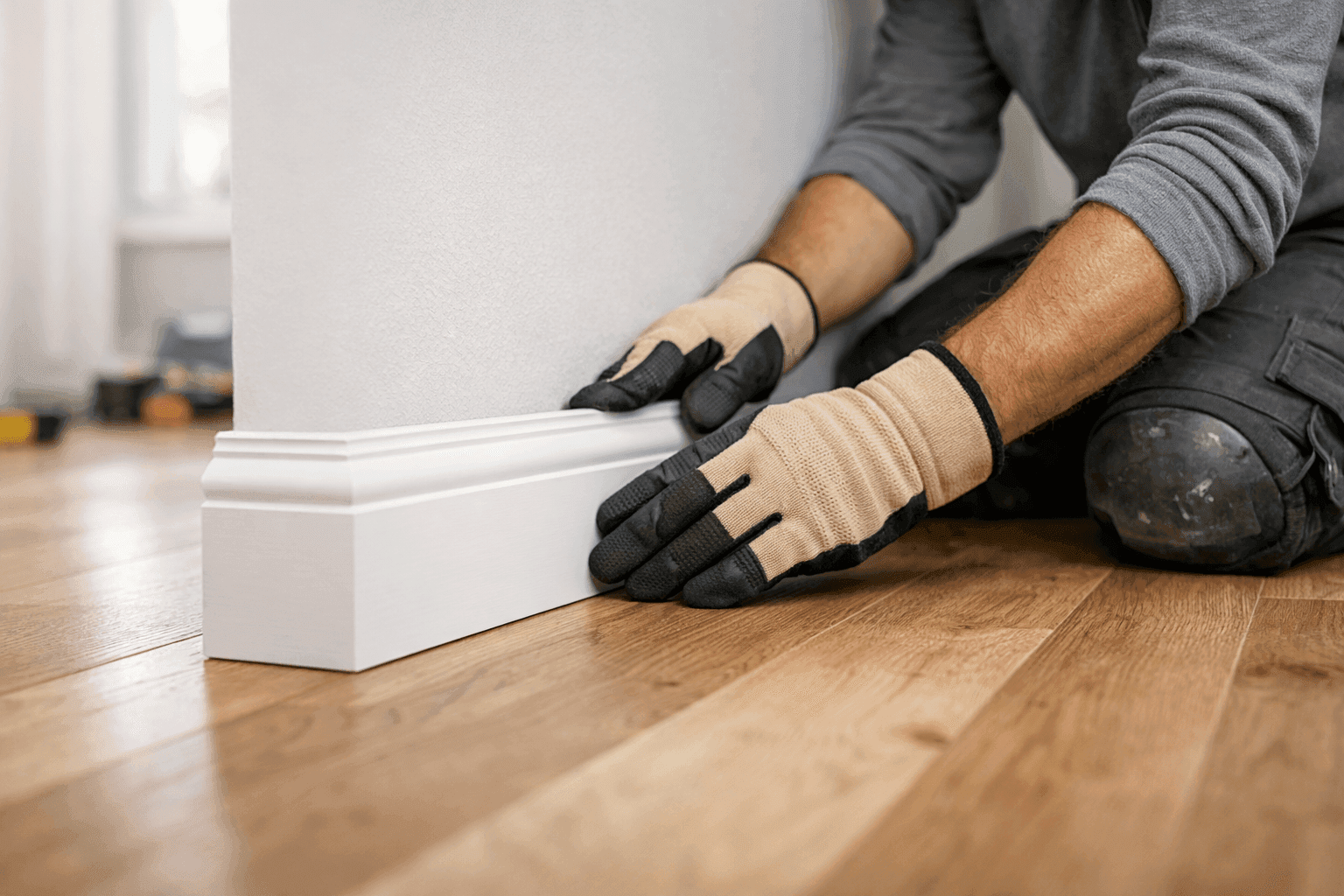
Replacing your floors is a big step—but don’t let the details trip you up. Baseboards might seem like an afterthought, but they’re the ribbon that ties your new flooring together. Miss this detail, and even top-quality floors can look unfinished.
At JC Carpet & Flooring, we know a well-installed baseboard frames your floor like a gallery masterpiece—clean, sharp, and built to last. Here’s how to get it right, from selection to the final nail.
Why Baseboards Matter: More Than Just a Border
Think of baseboards as the finishing edge of a puzzle. They don’t just look good—they protect walls from bumps, cover gaps, and keep dust and moisture where it belongs: out of your subfloor and wall cavities. Skip this step, and you risk warping, drafts, and a messy look.
Choosing Baseboards: Styles That Fit Your Space 🏡
Walk into a room and your eyes naturally trail the edges. That’s where design happens. Baseboards come in many styles—classic colonial, sleek modern, or rustic farmhouse.
- Colonial: Traditional, with gentle curves and detail.
- Modern/Flat: Clean lines, minimalist edge.
- Tall/Statement: Up to 7” for a high-ceiling drama.
- Simple Bevel: Subtle angles, timeless in any space.
Material matters, too. Hardwood, MDF, PVC, and even eco-friendly composites all have a place. Hardwood is durable and stains well. MDF is budget-friendly and paints up beautifully. PVC resists moisture—ideal for bathrooms or basements.
Sizing Up: How Tall Should Your Baseboards Be?
There’s no strict rule, but proportion is everything. Standard 8’ ceilings work well with 3-5” boards. Higher ceilings? Go taller for balance. Too short and things look stubby—too tall and you risk crowding the room.
A good rule of thumb: baseboard height should be about 1/18th of the wall height. For a polished look, always consider existing trim and door casings, too.
Installation Order: Before or After New Floors?
This is where many DIYers get tripped up. Always install new flooring first, then baseboards. Why? Your floor needs room to expand and contract—especially with hardwood, LVP, or laminate. Baseboards cover the expansion gap and give a seamless finish.
If you’re reusing old baseboards, label and store each piece carefully during floor removal. For a truly crisp look, though, consider fresh trim that matches your new floors.
Matching Styles: Color and Finish for Cohesion
Should baseboards match the floor, the wall, or neither? The answer: it depends, but harmony is key.
- Contrast: White baseboards with dark floors pop—great for modern looks.
- Blend: Stained wood baseboards to match hardwood for a seamless, organic feel.
- Accent: Bold colors for creative spaces, but keep the palette balanced.
Test paint or stain samples in natural and artificial light before committing. A painter’s tape mock-up can help you visualize.
What Tools and Materials Do You Need?
Before you start, gather:
- Measuring tape
- Miter saw
- Nail gun or hammer and finishing nails
- Caulk (paintable)
- Wood filler
- Level
- Safety glasses and gloves
Quality tools mean cleaner cuts and less frustration. Don’t skimp on safety gear.
Quick Safety Checklist Before You Begin 🔨
- Shut off power to nearby outlets when using power tools.
- Wear eye protection when cutting or nailing.
- Check for hidden pipes or wires along walls before nailing.
- Always ventilate paint or adhesive fumes.
For more on safety, reference the Occupational Safety and Health Administration (OSHA) guidelines for safe tool usage.
DIY or Call a Pro? Making the Right Call
Installing baseboards can look easy—until corners and uneven floors show up. If you’re comfortable with precise measuring and miter cuts, DIY may be manageable. For complex angles, intricate styles, or large spaces, a pro ensures tight joints and a flawless paint job.
Get a Flooring Consultation if you’re unsure. The investment can save you time, material, and headaches.
The Pro’s Approach: What to Expect on Arrival
A professional installer will:
- Inspect walls and floors for moisture or damage.
- Recommend baseboard styles and sizes for your space.
- Take precise measurements, accounting for floor expansion gaps.
- Cut corners with a miter saw for tight, neat joints.
- Attach baseboards securely, fill nail holes, and caulk seams.
They’ll also clean as they go—no sawdust left behind.
Matching Baseboards to Specific Flooring Types
- Hardwood: Stained or painted wood baseboards work well.
- Vinyl/LVP/LVT: PVC or MDF baseboards are durable and moisture-resistant.
- Tile: Consider tile baseboards for bathrooms, or use PVC for durability.
- Carpet: Thicker baseboards hide carpet edges and give a plush finish.
- Eco-Friendly Floors: Bamboo or cork baseboards keep the look consistent.
Each flooring type has its own quirks—choose baseboard materials that complement wear, moisture, and room use.
Common Mistakes: What to Avoid
- Skipping the expansion gap—leads to buckled floors.
- Using the wrong nails or adhesives—can cause splitting or loose boards.
- Forgetting to caulk top seams—dust and moisture sneak in.
- Not priming or sealing baseboards before painting—warping risk.
Take your time. The smallest misstep is always visible at eye level.
Timeline and Disruption: What to Expect
Most rooms can be finished in a day or two, but allow for paint and caulk drying times. Move furniture away from walls and create a clear path for installers. Kids and pets? Keep them out of the workspace until it’s done.
Maintenance: Keeping Your Baseboards Beautiful 🧹
Baseboards collect dust like magnets. Regular cleaning with a microfiber cloth keeps them sharp. For scuffs, a touch of wall paint or stain makes them look new again.
Inspect yearly for signs of moisture or pest damage—especially in basements or bathrooms. Reseal or repaint as needed for long-lasting beauty.
Prevention and Protection: Longevity Tips
- Use moisture-resistant materials in kitchens, baths, or basements.
- Install a moisture barrier under new floors—this stops warping and mold.
- Touch up paint or caulk as soon as cracks appear.
- Avoid dragging furniture against baseboards.
If you need help with upkeep, our Residential Flooring maintenance plans have you covered.
Signs of Trouble: When to Replace Baseboards
- Soft or spongy spots—signs of hidden moisture or rot.
- Warped or cracked wood—often from humidity.
- Gaps or separation from wall—may indicate settling or improper installation.
- Persistent stains—could be mold.
Don’t wait—address these issues quickly to protect your investment.
FAQ: Your Top Baseboard Questions Answered
Do I need to remove old baseboards before new floors?
Yes, for best results. This ensures a flush fit and hides expansion gaps.
Should baseboards be caulked?
Absolutely. Caulk at the top and at joints for a seamless, dust-proof finish.
Can I reuse old baseboards?
Sometimes, but new baseboards offer a cleaner look and better fit with your new flooring.
Who do I call if I see moisture or pests behind my baseboards?
Consult a professional for inspection and repairs to avoid further damage.
Flooring and Baseboards: A Professional Finish Every Time
When you invest in new floors, the details matter. Baseboards aren’t just trim—they’re part of the story your home or business tells. With careful selection, skillful installation, and thoughtful maintenance, you’ll enjoy a finish that looks and performs beautifully for years.
If you’re ready to upgrade your floors or need help with baseboard installation, our team at JC Carpet & Flooring is here to guide you. For anyone looking for a reliable flooring company or Residential Flooring near you, we proudly serve the Reston area—see more about our flooring services in Reston.
Call JC Carpet & Flooring now — or reach us anytime at 855-557-1115 .