How to Spot and Repair Subfloor Damage
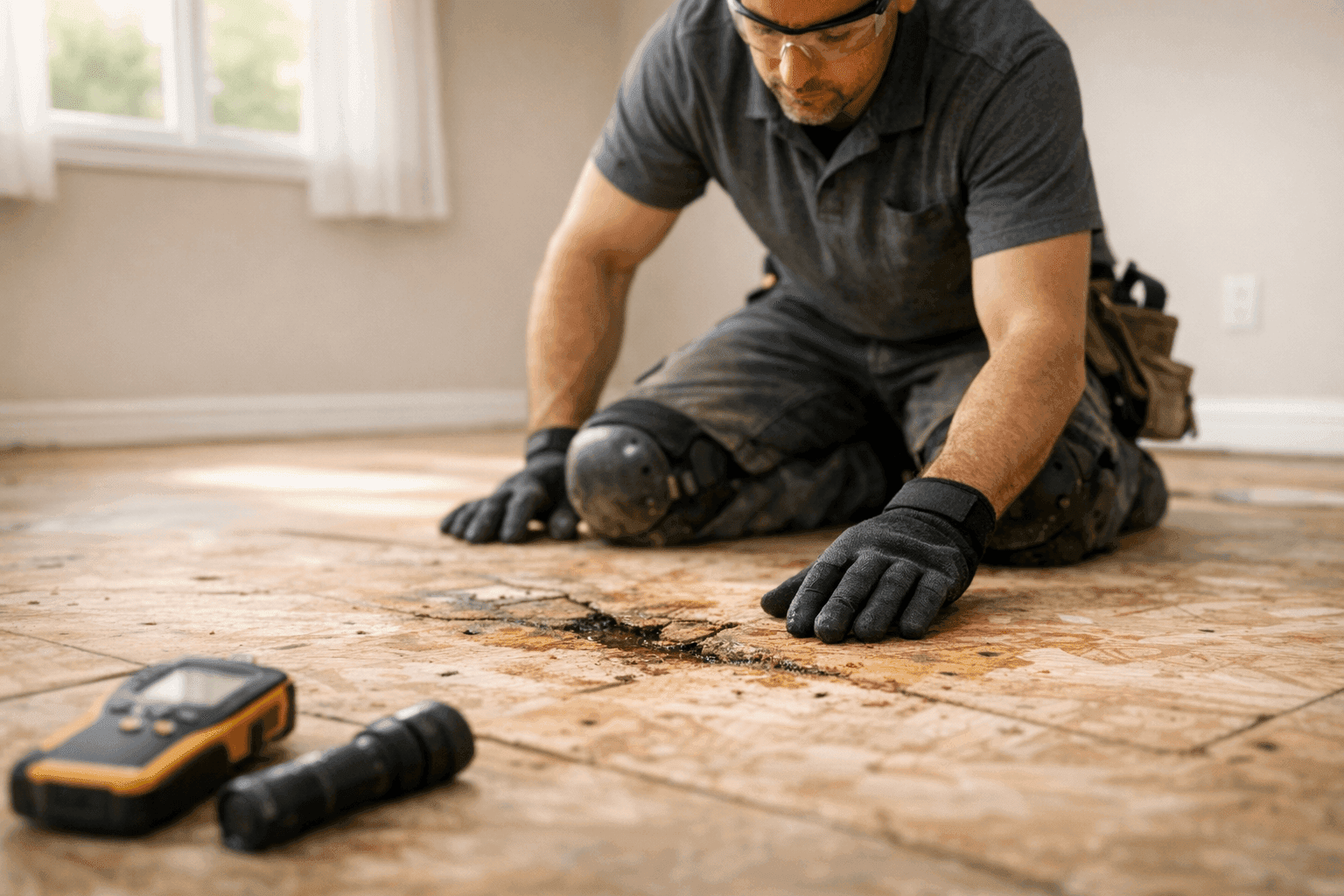
Life happens on your floors—spilled drinks, muddy paws, heavy furniture, and every step your family or business takes. But what’s under that surface matters just as much as what’s on top. Subfloor damage can sneak up on anyone, quietly putting your safety and investment at risk.
At JC Carpet & Flooring, we know how vital a solid foundation is. Ignoring warning signs can lead to bigger headaches (and repair bills) down the road. Let’s walk through the clues, causes, and solutions—so you know when to call for Subfloor Repair and how to keep your home or business strong beneath your feet.
Signs of Subfloor Trouble 👀
Your floors talk. Sometimes, they even shout. Here’s what to listen and look for:
- Soft, spongy spots: If the floor feels like a trampoline in places, something’s wrong below.
- Persistent squeaks: Occasional creaks are normal, but loud or new squeaks can signal loose or damaged subflooring.
- Musty odors: Smells that linger—especially after rain—could point to trapped moisture and mold.
- Sagging or uneven floors: Notice a slope, dip, or bounce? That’s often a red flag.
- Cracked or loose tiles: These can stem from movement or rot beneath the surface.
- Visible mold at baseboards: Mold often means moisture has invaded more than just the visible flooring.
- Gaps along walls or between planks: Shifting subfloors can pull your flooring out of alignment.
If any of these signs sound familiar, don’t just brush them off. The sooner you address subfloor issues, the safer your space will be.
Why Subfloors Fail: Common Causes
Like a bridge’s support beams, subfloors do the heavy lifting for your flooring. But even the best-built structures can weaken over time. Here’s why:
- Water damage: Leaks from appliances, broken pipes, or flooding can saturate subfloor materials, leading to rot and mold.
- Termite or pest infestations: Hungry bugs can chew through wooden subfloors, undermining their strength.
- Poor installation: Rushed or improper work leaves gaps, weak connections, or unsupported areas.
- Old age and wear: Even quality materials break down after decades of use or heavy foot traffic.
- Improper ventilation: Basements and crawl spaces without enough airflow trap moisture, accelerating decay.
- Foundation settling: Shifts in your building’s foundation can cause the subfloor to crack or separate.
Most subfloor problems build up gradually—like a slow leak in a basement. But the damage can be hidden until it’s too late.
Quick Safety Checklist Before You Start
- Is the area safe to walk on? If you notice sagging, avoid putting weight on it.
- Check for mold: If mold is visible or you notice strong musty odors, consider wearing a mask and gloves.
- Turn off water: If you suspect a recent leak or ongoing moisture problem, shut off the water supply.
- Inspect for electrical hazards: Water and wiring don’t mix. If in doubt, cut the power to the affected area.
- Ventilate the space: Open windows or use fans to keep air moving and reduce mold risk.
When in doubt, wait for professionals—especially if you suspect structural or electrical hazards.
How the Pros Assess Subfloor Damage
Flooring specialists use more than just a sharp eye. Here’s what to expect if you call in a Floor Inspection:
- Moisture meters: These tools measure dampness inside wood or concrete subfloors.
- Thermal imaging: Detects hidden leaks or cold spots behind walls and under floors.
- Probing and core sampling: Sometimes, small test holes are drilled to check the integrity of the material.
- Visual checks: Lifting a section of carpet, laminate, or tile to assess what’s lurking underneath.
An experienced technician will also ask about past leaks, renovations, or other clues to narrow down the cause.
DIY or Call a Pro? Knowing Your Limits
Some minor squeaks or loose boards can be a quick fix. But when damage is widespread, moisture is involved, or structural questions arise, professional help is a must.
DIY might work for:
- Tightening loose screws or nails
- Replacing a single squeaky board
- Minor surface repairs
Call the pros if you notice:
- Mold or signs of water damage
- Large soft spots, dips, or sagging
- Recurring issues after DIY fixes
- Cracking, splitting, or widespread movement
Subfloor repair isn’t just about patching the surface. It’s about restoring the strength and safety of your entire floor system.
Step-by-Step: The Subfloor Repair Process
Here’s how a typical subfloor repair unfolds, so you know what to expect:
- Inspection and diagnosis: Find the root cause—moisture, pests, rot, or installation flaws.
- Remove finish flooring: Carefully pull up carpet, tile, laminate, or wood to expose the subfloor.
- Assess and mark damaged areas: Pinpoint exactly where repairs are needed.
- Cut out damaged sections: Using saws and specialty tools, only the affected areas are removed.
- Treat for moisture or pests: Address any lingering issues to prevent future damage.
- Install new subfloor panels: Replace with code-approved, moisture-resistant materials.
- Reinforce framing if needed: Sometimes joists or supports need bracing or repair.
- Moisture barrier installation: For added protection, especially in basements or over concrete.
- Restore finished flooring: Reinstall or upgrade to a new surface—carpet, hardwood, tile, or LVP.
Each step puts safety and durability first. Building codes (like those from the International Residential Code) set clear standards for subfloor thickness, spacing, and materials—your contractor should always follow them.
Preventing Subfloor Problems Before They Start 🛡️
A few key habits can stop trouble in its tracks:
- Fix leaks fast: Address plumbing or roof leaks as soon as you spot them.
- Use moisture barriers: Especially in basements or over concrete, barriers keep water away from wood.
- Maintain good ventilation: Dehumidifiers and fans protect against dampness.
- Inspect regularly: Schedule annual Floor Repair or inspection visits to catch small issues early.
- Choose quality flooring: Some materials—like luxury vinyl plank or engineered wood—handle moisture better than others.
- Mind the grade: Ensure the ground around your property slopes away from the foundation.
Prevention takes less time and money than repairs. A few minutes now can save you major headaches later.
When Is Subfloor Damage an Emergency?
Some situations can’t wait:
- Sudden sagging or collapse: If the floor gives way or feels dangerously unstable, evacuate the area.
- Significant water intrusion: Flooding or burst pipes can destroy subfloors within hours.
- Visible mold growth: Black or green patches spreading quickly pose serious health risks.
- Electrical hazards: If water reaches outlets or wiring, call an electrician immediately.
Never risk your safety for the sake of a few hours. When in doubt, get professional help.
Timeline and Disruption: What to Expect
Subfloor repairs aren’t always quick, but they’re worth the effort. Here’s a rough idea:
- Minor repairs: 1–2 days (for small areas or simple fixes)
- Extensive damage: 3–7 days, especially if drying out, mold treatment, or structural repair is needed
- Full room replacement: Up to 2 weeks, depending on materials and scope
You may need to move furniture or avoid certain rooms during work. Plan for some noise and dust, but a good contractor will minimize mess and keep you informed.
Costs: What Goes Into Subfloor Repair
Every project is unique, but main factors include:
- Extent of damage: Small patches cost less; whole-room repairs or joist replacement add up.
- Type of flooring: Tile and hardwood take longer to remove and reinstall than carpet or laminate.
- Location: Basement and bathroom repairs may need extra moisture protection.
- Materials: Code-compliant, moisture-resistant panels are a smart investment.
Don’t forget—cutting corners on subfloor repair can cost much more in the long run.
Seasonal Considerations for Subfloor Health
Weather plays a role in subfloor performance:
- Winter: Freezing pipes may burst, causing hidden water damage.
- Spring: Melting snow and rain increase humidity and leak risks.
- Summer: High temps and humidity can accelerate mold growth.
- Fall: Good time for inspections and prep before the wet season.
A little seasonal maintenance goes a long way toward protecting your floors from the ground up.
Common Mistakes to Avoid
- Ignoring early signs: Small squeaks or musty smells are easy to overlook—until it’s too late.
- Covering up the problem: Throwing a rug over a soft spot won’t fix the root cause.
- DIY without know-how: Improper repairs can weaken your floor or violate building codes.
- Skipping moisture protection: Failing to add a barrier invites repeat problems.
If you’re not sure, ask a flooring contractor who knows the ins and outs of Subfloor Repair.
FAQs: Subfloor Damage and Repair
Can you replace just part of a subfloor? Yes—if the rest is healthy, targeted repairs are possible.
Is subfloor mold dangerous? Yes. Mold can cause health problems and weaken wood. Remediation should be handled with care.
How do I know if my subfloor is concrete or wood? Check an exposed edge—wood is layered (plywood or OSB), concrete is solid and gray.
Will homeowners insurance cover subfloor damage? It depends. Sudden accidental damage (like a burst pipe) is often covered, but slow, gradual rot is usually not. Check your policy.
How often should I have my subfloors inspected? Every few years, or whenever you notice changes in your flooring.
Final Thoughts: Protecting Your Investment
Your subfloor is the backbone of every room. Ignoring damage puts your family, employees, and property at risk. Quick action and regular checks keep your floors safe, sturdy, and beautiful—now and for years to come.
If you’re seeing signs of trouble, don’t wait. Our team at JC Carpet & Flooring is ready to help—whether it’s a quick Floor Inspection, a full Floor Repair, or a consultation on flooring upgrades.
Call JC Carpet & Flooring now — or reach us anytime at 855-557-1115 .