Is Luxury Vinyl Tile (LVT) Right for Your Space?
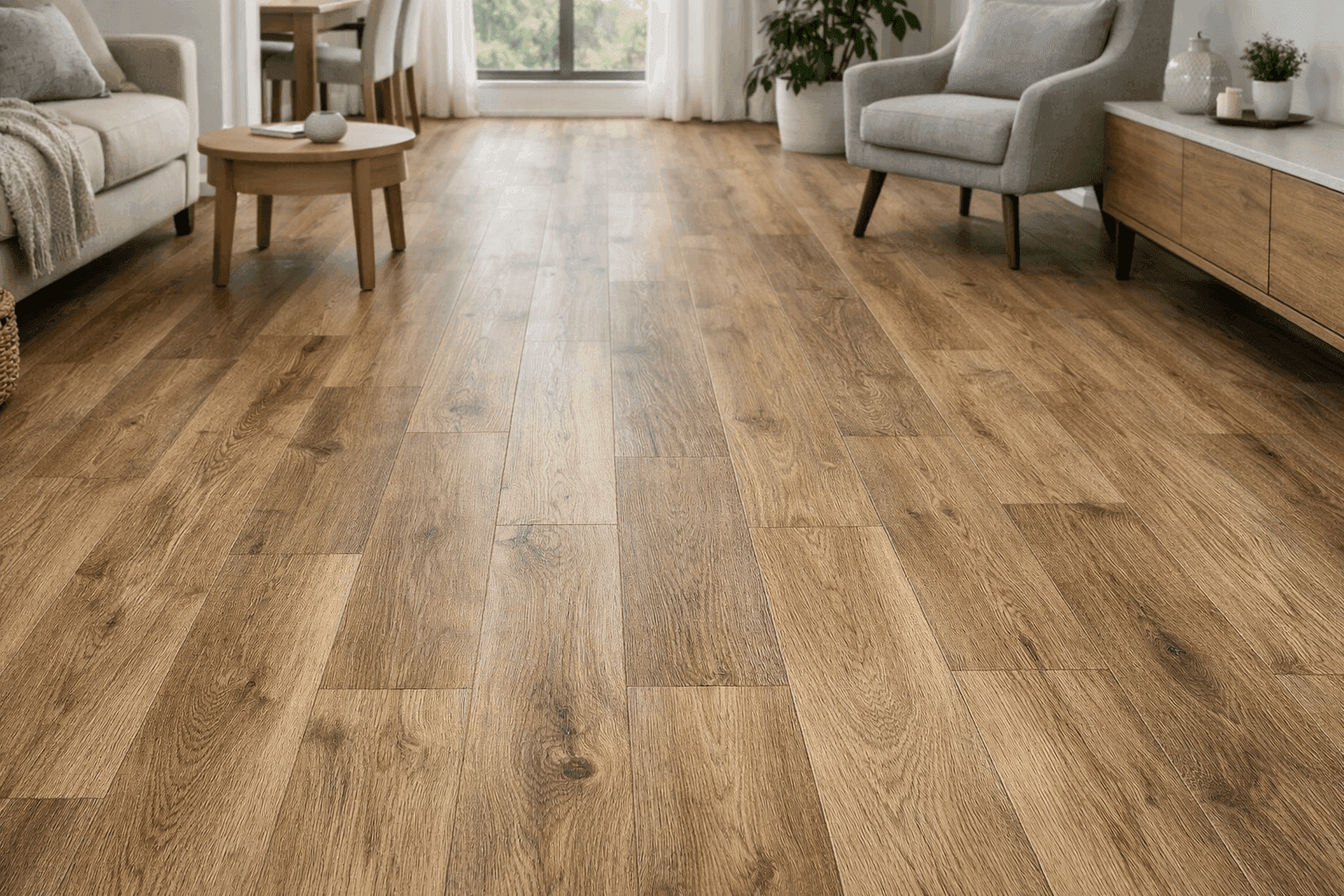
Have you ever walked into a room and felt the floor just work? It looks beautiful. It feels easy to live with. But underneath, it’s working double-time—handling spills, heavy foot traffic, and all of life’s curveballs. That’s the kind of magic Luxury Vinyl Tile (LVT) can bring to your home or business.
At JC Carpet & Flooring, we know flooring isn’t just about what’s under your feet. It’s about comfort, safety, and style—plus the little details most people never see. Let’s break down what makes LVT special, when it shines, and whether it’s the right fit for your space.
What Is Luxury Vinyl Tile (LVT)? 🏡
LVT stands for “Luxury Vinyl Tile.” Imagine the look of natural stone, ceramic, or hardwood—but with the practicality of vinyl. LVT is made from several tough layers: a strong backing, a printed design, and a protective topcoat. This structure gives it both strength and flexibility.
It’s different from traditional vinyl sheets, which are usually rolled out in big, seamless pieces. LVT comes in individual tiles or planks, making installation more like putting together a puzzle than unrolling a carpet. Unlike older types of vinyl, LVT uses advanced printing and texturing, so the visual details—like wood grain or stone veining—are impressively realistic.
LVT vs. LVP and Traditional Vinyl: What’s the Difference?
You might hear about Luxury Vinyl Plank (LVP) and wonder how it stacks up against LVT. Here’s the quick rundown:
- LVT: Mimics stone or ceramic tile. Comes in square or rectangular tile shapes.
- LVP: Mimics wood planks. Comes in long, narrow strips.
- Traditional Vinyl: Comes in large sheets. More basic visuals and less durable than luxury options.
The choice often comes down to the look you want and where you’re installing the floor. LVT is fantastic for spaces where you’d typically use tile or stone—think kitchens, bathrooms, or entryways. LVP is a go-to for rooms where you want a wood look without the maintenance.
Where Does LVT Work Best?
LVT is the Swiss Army knife of flooring. It’s built for high-traffic, high-moisture, and high-style areas.
Best applications include:
- Kitchens and mudrooms (easy clean-up)
- Bathrooms and laundry rooms (stands up to water)
- Basements (stays stable even with changing temps)
- Commercial spaces (retail, offices, restaurants)
- Entryways and hallways (no more worrying about wet boots or muddy paws)
If you’re searching for Residential Flooring near you, LVT is often a top pick because it bridges the gap between function and design.
Pros of LVT Flooring
Why do so many homeowners and businesses choose LVT? The perks are hard to ignore:
- Durable: Resists scratches, dents, and stains from everyday life.
- Water-resistant: Many LVT products are fully waterproof, perfect for splash-prone zones.
- Comfortable: Softer and warmer underfoot than stone or tile.
- Quiet: Built-in layers dampen sound—ideal for apartments or offices.
- Design variety: Endless choices for patterns, textures, and colors.
- Easy installation: Click-lock or glue-down options save time and hassle.
- Low maintenance: No sealing, waxing, or deep scrubbing needed.
Cons of LVT Flooring
Every rose has its thorns, and LVT is no exception. Consider these before making the leap:
- Not the real deal: If you crave the unique feel of solid hardwood or stone, LVT is an imitation.
- Extreme heat: Prolonged exposure to sunlight or heat can cause fading or warping.
- Subfloor matters: LVT needs a flat, smooth base. Uneven subfloors may mean extra prep or repair.
- Chemical sensitivity: Some LVT products may off-gas VOCs (volatile organic compounds) when new. Opt for low-VOC certified brands if indoor air quality is top priority.
Designer Looks Without the Designer Price Tag 🎨
Want the elegance of marble but not the cold toes? Craving rustic barnwood, minus the worry of splinters? LVT lets you play with style in ways that natural materials can’t always deliver—especially on a realistic budget.
Popular LVT styles:
- Weathered wood planks
- Sleek slate or travertine tiles
- Bold geometric patterns
- Classic checkerboards
Because the visuals are printed, you can get creative—mixing colors, laying tiles in a herringbone pattern, or even custom-ordering a look just for your business.
How Durable Is LVT? Real-World Performance
Think of LVT as the workhorse that never complains. The tough wear layer stands up to rolling office chairs, pet claws, high heels, and dropped toys. Commercial-grade LVT is rated for heavy use and often meets ASTM F1700 standards for resilience and wear (as noted by the ASTM International guidelines).
Moisture is rarely an issue. Many LVT floors have waterproof cores and tight seams, so spills and accidents are easy to handle. That’s why LVT is a favorite for family homes and busy businesses alike.
Is LVT Good for Allergies and Sensitive Spaces?
If you or your family deal with allergies or asthma, flooring choices matter. LVT doesn’t trap dust, pollen, or pet hair the way carpet can. Its smooth surface means allergens are easy to sweep or mop away. Look for LVT certified as low-VOC by FloorScore® or similar programs for extra peace of mind.
Moisture Resistance: The Hidden Superpower
Water is flooring’s arch-nemesis. Hardwood can swell and warp. Carpet can mold. But LVT shrugs it off. Many brands are rated waterproof, not just water-resistant. That makes LVT a safe bet for bathrooms, laundry rooms, and even below-grade basements—where moisture is always lurking.
Want extra protection? Pair your LVT installation with a Vinyl Flooring to keep your subfloor and home healthy.
LVT and Comfort: Underfoot and Under Budget
Ever tiptoe across cold tile on a winter morning? LVT changes that. It’s warmer and softer than ceramic or stone, especially with an added underlayment. Some LVT even works with radiant floor heating, so you can keep toes cozy year-round.
Compared to natural stone or hardwood, LVT is a wallet-friendly choice. Installation is quicker, materials cost less, and maintenance is a breeze.
Safety First: Quick Flooring Checklist
Before installing LVT, check these safety tips:
- Subfloor prep: Make sure it’s clean, dry, and level. Moisture can sneak up and cause problems down the road.
- Ventilation: Air out new LVT for a few days to reduce any initial odors.
- Slip resistance: Choose textured LVT for bathrooms or kitchens to prevent slips.
- Compliance: Ensure LVT meets local building codes and fire safety standards (see the National Fire Protection Association and local building authority for specifics).
Maintenance Tips: Keep Your LVT Looking New 🧹
Easy care is one of the biggest draws of luxury vinyl tile. But a little effort goes a long way.
- Sweep or vacuum regularly to keep grit from scratching the surface.
- Use a damp mop with a pH-neutral cleaner—skip harsh chemicals or abrasive pads.
- Place mats at entryways to catch dirt and stones.
- Felt pads under furniture prevent dents and scuffs.
- Wipe spills pronto—even waterproof floors appreciate a quick clean-up.
Thinking about a deeper refresh? Professional Flooring Maintenance can keep your LVT shining for years.
DIY or Pro Installation: What’s Right for You?
LVT is known for its user-friendly installation. Some homeowners tackle click-lock planks or tiles themselves. But for glue-down varieties, or when you need to prep an uneven subfloor, calling in a pro can save you headaches (and future repairs).
Professionals ensure your floor is level, seams are tight, and transitions are smooth. They’ll also check for moisture issues and recommend the right underlayment or soundproofing solutions.
Common Mistakes to Avoid
Even the best LVT can fall short if installed poorly. Watch out for:
- Skipping subfloor prep—bumps or dips will show through
- Neglecting acclimation—let LVT sit in your space for 24-48 hours before installing
- Overwet mopping—use only damp, not soaking, mops
- Forgetting transition strips—these help floors expand and contract with the seasons
Timeline, Disruption, and What to Expect
Most LVT installations take a day or two, depending on room size and prep work. Glue-down jobs can take a bit longer, while floating floors or click-lock tiles fly in fast.
You can usually walk on your new floor right away. Furniture goes back in quickly. And because there’s no sanding or sealing, there’s less dust and disruption compared to hardwood or tile.
When to Call JC Carpet & Flooring
If you’re weighing your options or want a truly flawless install, our team is here to help. We handle everything from Luxury Vinyl Tile (LVT) to subfloor repair, moisture testing, and design consultation. No question is too small—your peace of mind matters.
FAQs About Luxury Vinyl Tile Flooring
Q: Is LVT really waterproof?
A: Most high-quality LVT is rated waterproof, but always check the manufacturer’s specs.
Q: Can LVT be installed over existing floors?
A: Often, yes. It depends on the condition of your current floor. Our team can give you a clear answer during an inspection.
Q: Does LVT work with radiant heat?
A: Many LVT products are compatible with in-floor heating. Always check product guidelines to be sure.
Q: How does LVT handle pets and kids?
A: LVT is a top choice for busy households—scratch-resistant, easy to clean, and tough as nails.
Is LVT Right for Your Space? The Bottom Line
Luxury Vinyl Tile brings the best of both worlds: beauty and brains. It’s tough, good-looking, and ready for anything life throws at it. Whether you’re renovating a home, upgrading your business, or just tired of constant floor care, LVT deserves a spot on your shortlist.
Ready to talk about transforming your space? Call JC Carpet & Flooring now — or reach us anytime at 855-557-1115 .