Laminate Flooring: Installation, Care, and Longevity
Choosing laminate flooring feels a bit like picking out a new car. There’s excitement—but also a flood of questions. Will it last? How will it look? Is it right for my home or business? At JC Carpet & Flooring, we walk alongside you, helping you skip the guesswork and focus on what matters: a floor that stands the test of time, style, and everyday life.
Laminate has come a long way. Today, it’s not just about affordability—it’s about resilience, comfort, and that “wow” factor every time you walk into the room. Ready to tackle your project or just want to know what to expect? Let’s break it down.
Laminate Selection: What Really Matters
Choosing the right laminate is the first fork in the road. There’s more to it than just the color that matches your couch.
- Thickness: Thicker planks (8–12mm) are quieter underfoot and feel sturdier—think of them as the difference between a paperback and a hardcover book.
- AC Rating: This is the durability score (Abrasion Criteria). For homes, AC3 is usually enough. For offices or busy spaces, look for AC4 or higher.
- Texture & Finish: Embossed or hand-scraped textures mimic real wood grain and hide scuffs better.
- Water Resistance: Kitchens, bathrooms, or basements need water-resistant or waterproof laminate to prevent swelling or warping.
- Eco-Friendly Choices: If sustainability matters, look for FloorScore or GreenGuard certifications.
A friendly tip: Bring home at least three samples. Lay them out in the room at different times of day. Light changes everything.
Prepping Your Subfloor: Foundation for Success 🛠️
Think of the subfloor as the stage beneath a show. If it’s uneven, noisy, or damp, even the fanciest laminate will stumble.
- Flatness: Use a straight edge. Gaps larger than a nickel mean you’ll need leveling.
- Cleanliness: Sweep, vacuum, and mop. Even a pebble can create a lump under the planks.
- Moisture: Test for moisture with a simple plastic sheet test. If condensation forms underneath after 24 hours, you’ll need a moisture barrier.
- Repairs: Patch cracks or holes. Replace damaged wood or concrete sections.
If you’re not sure where to start, a Flooring Consultation with our team can help you avoid surprises.
The Installation Steps: What To Expect
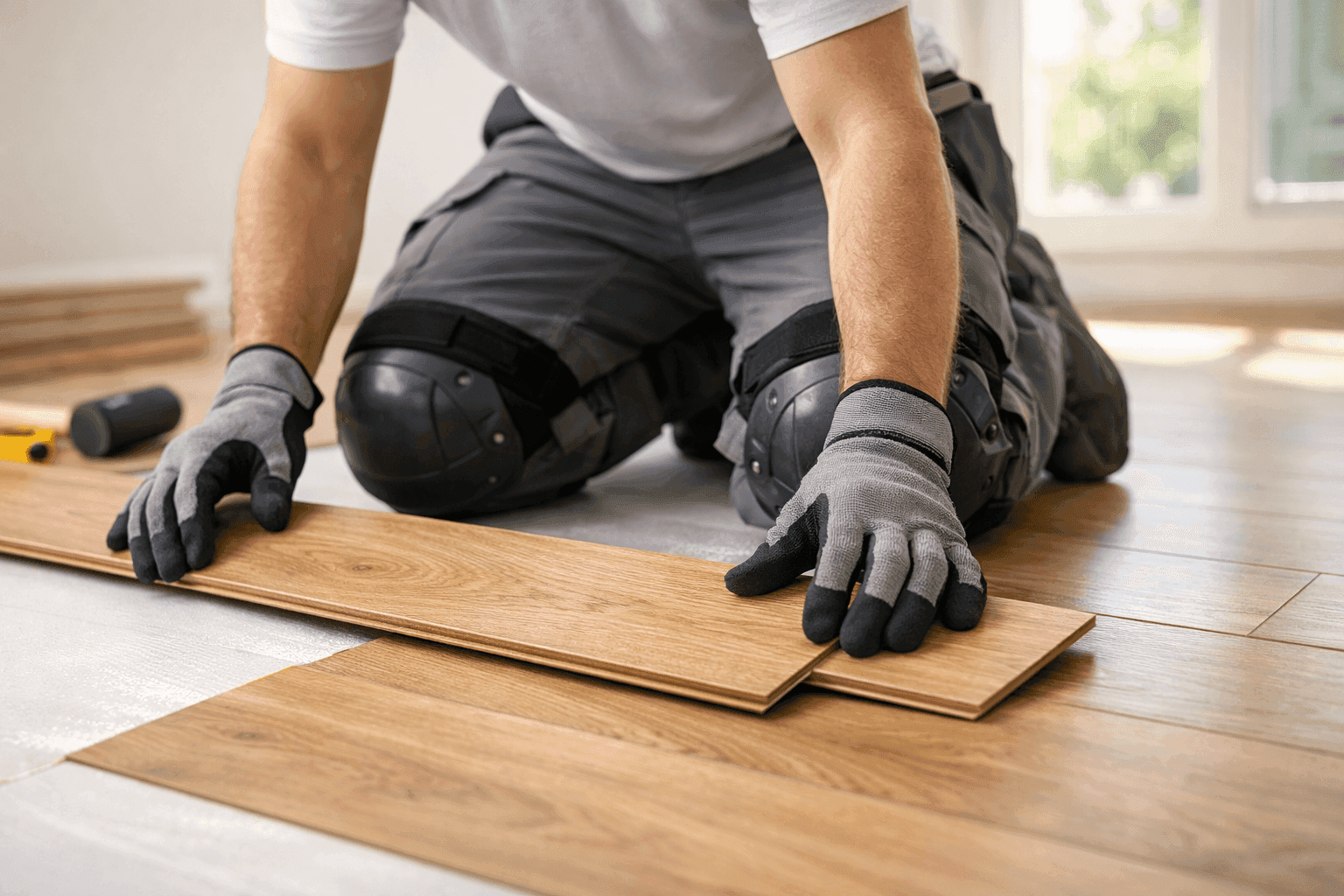
Installing laminate is like assembling a puzzle—one that rewards patience and precision.
- Acclimate the Planks: Let boxes sit in the room for 48–72 hours. This avoids post-installation warping.
- Plan Your Layout: Dry-lay the first two rows. Stagger the joints by at least 8 inches for strength and beauty.
- Underlayment: Unless your laminate comes with it attached, roll out underlayment for soundproofing and moisture protection.
- Install the First Row: Always start along the longest wall, tongue side facing out. Use spacers for a 1/4" expansion gap around the perimeter.
- Click or Lock: Most laminate uses click-lock systems. Angle the tongue into the groove and tap gently with a block.
- Trim to Fit: Use a jigsaw for corners, vents, or doorways.
- Last Row: Often needs trimming—measure twice, cut once.
- Remove Spacers and Install Molding: Finish with baseboards or quarter round to hide gaps and keep everything crisp.
DIYers: Read the manufacturer’s instructions. Every brand has small quirks—like a recipe with a secret ingredient.
Quick Safety Checklist
- Safety glasses, gloves, and knee pads—protect yourself from sharp tools and splinters.
- Use a dust mask when cutting planks.
- Keep the area clear of pets and children.
- Unplug power tools when not in use.
- Follow local building codes (check with your city’s permit office if you’re unsure).
DIY or Call a Pro? The Honest Breakdown
You can absolutely install laminate yourself—if you’re comfortable measuring, cutting, and following detailed steps. But if the room is oddly shaped, the subfloor is rough, or you just want peace of mind, a Flooring Consultation takes the pressure off.
Pros bring specialized tools, years of practice, and a knack for troubleshooting on the fly. That’s especially handy for commercial spaces or large areas.
When Professionals Arrive: What They Do Differently
Our installers arrive ready to diagnose your subfloor, double-check moisture levels, and spot hazards you might miss. They’ll bring industry-standard tools like tapping blocks, pull bars, and oscillating saws for tight corners. Every cut, joint, and seam is double-checked for tightness and alignment.
Professionals also handle transitions between rooms, integrate trims, and make sure everything meets safety guidelines from the National Wood Flooring Association.
Care Routines: Keeping Your Laminate Like New 🧹
Laminate flooring is tough, but it’s not invincible. Imagine it as a favorite pair of sneakers—they’ll last longer with a little TLC.
- Sweep and Dust Daily: Grit acts like sandpaper underfoot.
- Damp Mop Weekly: Use a microfiber mop and a cleaner approved for laminate. Avoid soaking the floor.
- Wipe Spills Promptly: Liquids can seep into seams, causing swelling.
- Furniture Pads: Stick these under chair and table legs to prevent scratches.
- Rugs and Mats: Place them at entrances to trap dirt and moisture.
For deep cleaning or stubborn stains, our Flooring Maintenance service can help restore your floor’s finish without damage.
Seasonal Considerations: Humidity and Temperature
Laminate expands and contracts with the seasons—like a bridge in summer and winter.
- Humidity: Keep indoor humidity between 35% and 65% to prevent gapping or buckling.
- Temperature: Sudden changes can cause planks to shift. Maintain a steady climate year-round.
Using a humidifier or dehumidifier (as needed) helps keep the floor stable.
Common Issues and How to Troubleshoot
No floor is immune to problems, but most laminate issues are fixable.
- Creaking or Popping: Usually from uneven subfloors or lack of expansion gaps. Remove molding and adjust spacers if needed.
- Swelling or Warping: Caused by moisture. Replace affected planks, address the source of leaks, and improve ventilation.
- Chips and Dings: Minor chips can be filled with laminate floor repair putty. For major damage, swap out the plank.
- Seams Separating: Often from improper installation or changes in humidity. Reinstall with correct spacing.
For persistent problems, a professional inspection is wise. The National Institute of Standards and Technology (NIST) recommends annual checks for commercial spaces.
Cost and Time Factors: What to Budget
- Materials: Laminate runs $2–$7 per square foot, with underlayment and trims adding extra.
- Labor: Professional installation varies by region but averages $3–$8 per square foot.
- Timeline: Most rooms take 1–3 days, depending on size and complexity.
- Disruption: Furniture needs to be moved, and the space should be kept clear for the duration.
Planning ahead saves headaches—especially for businesses that need to minimize downtime.
Flooring Removal: Out with the Old
Before new laminate goes in, old flooring must come out. This can mean ripping up carpet, vinyl, or even tile.
- Check for Asbestos: Homes built before 1980 may have materials that require specialist removal—always follow EPA guidelines.
- Disposal: Some materials can be recycled. Ask your installer or local waste authority.
- Prep: Removing old adhesive or nails is crucial for a level, safe floor.
Floor Leveling and Subfloor Repair
A bumpy or cracked subfloor spells trouble for any new floor. Leveling compound or plywood underlayment can smooth things out, while damaged wood or concrete must be replaced. This step ensures your investment looks and feels right.
Soundproofing Solutions: Peace and Quiet
If footsteps echo or rooms feel noisy, soundproof underlayment makes a world of difference. This is especially helpful in apartments, offices, or multi-story homes. Some laminate comes with built-in sound reduction, but extra layers can be added for sensitive spaces.
Radiant Floor Heating: Warmth from Below
Yes, laminate can go over radiant heating systems—but only if the product is labeled compatible. Follow manufacturer instructions for temperature limits and installation. This keeps floors toasty and safe. The Radiant Panel Association offers additional safety guidance.
Signs of Trouble: When to Act Fast ⚠️
Some issues can’t wait:
- Persistent moisture or moldy smells
- Widespread swelling or buckling
- Major gaps or shifting planks
- Electrical hazards near damp floors
If you notice any of these, stop using the room and consult a professional. Quick response can prevent structural damage.
Common Mistakes to Avoid
- Skipping acclimation—leads to warped planks.
- Ignoring expansion gaps—causes buckling.
- Using too much water to clean—damages seams.
- Overlooking subfloor prep—results in uneven, noisy floors.
- Forgetting to check for moisture—invites long-term problems.
Timeline & Disruption: Setting Expectations
For most projects, expect some noise, dust, and the need to relocate furniture. We do our best to minimize disruption, but a little planning (and patience) goes a long way. Clear communication with your installer keeps surprises to a minimum.
FAQ: Real Questions from Real Clients
How long does laminate flooring last?
With proper care, most laminate lasts 15–25 years.
Can I install laminate over existing floors?
In some cases—yes, if the surface is flat, dry, and clean. But old carpet or damaged tile must go.
Is laminate safe for pets?
Absolutely. Just keep nails trimmed and wipe up accidents quickly.
What’s the difference between laminate and luxury vinyl plank (LVP)?
Laminate is wood-based; LVP is made from PVC. Both are durable, but LVP is better for wet areas.
Still have questions? Our team is always happy to help.
Flooring Maintenance: The Long Game
A little routine goes a long way. Schedule regular cleaning. Check for shifting or damage each season. For commercial settings, annual Flooring Maintenance keeps your investment looking sharp and performing well.
If you’re searching for reliable, professional flooring services in your area, our team at JC Carpet & Flooring has years of hands-on experience. We proudly serve clients looking for Laminate Flooring and other solutions in Broken Arrow—learn more about our approach on our flooring page.
Ready to Start? Let’s Talk Laminate
Whether you’re planning a DIY weekend or want a flawless, hands-off installation, we’re here to help you every step of the way. Bring us your questions, your ideas, or your trickiest floor plan.
Call JC Carpet & Flooring now — or reach us anytime at 855-557-1115 .