Luxury Vinyl Flooring: Myths vs. Facts
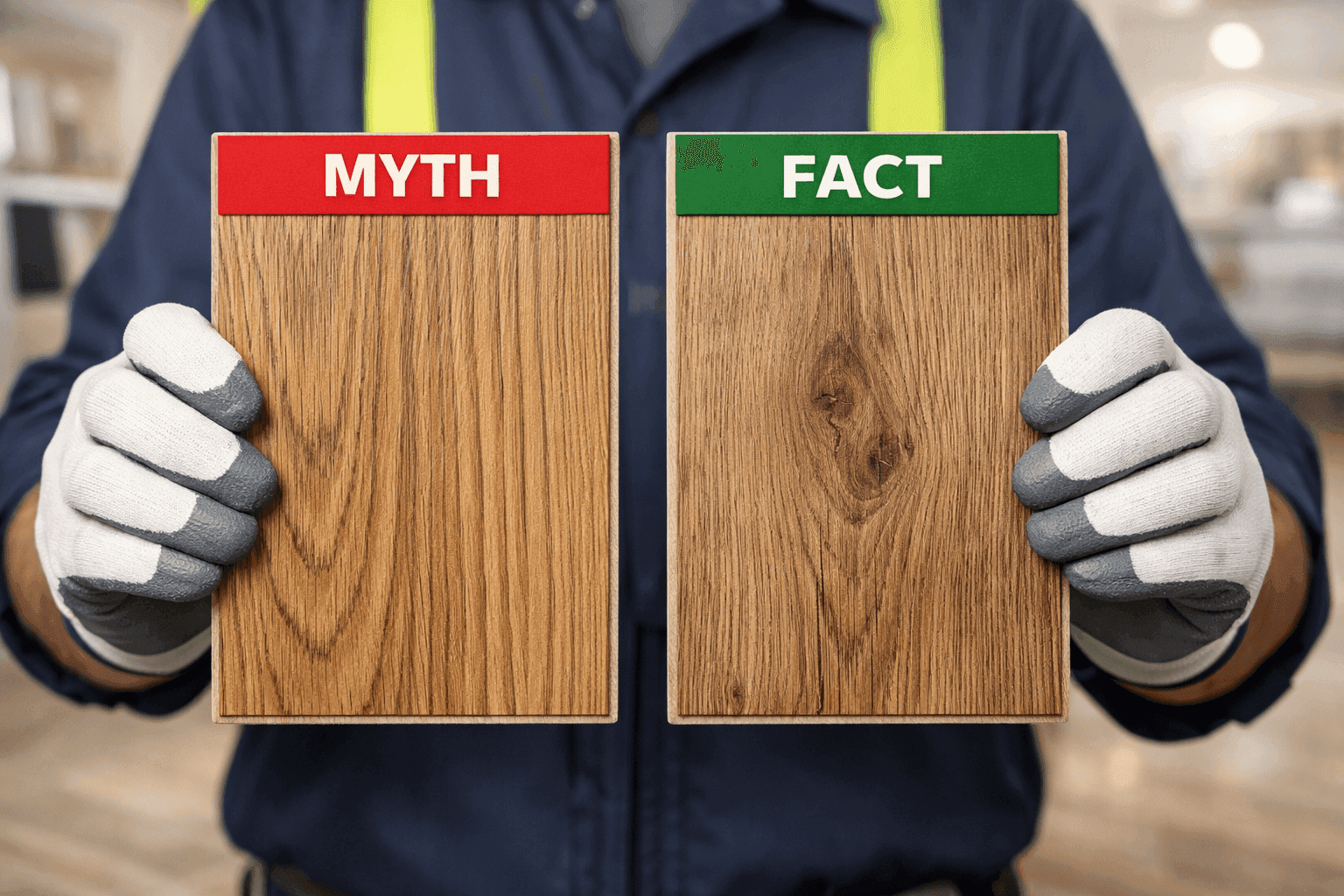
Luxury vinyl flooring has made a name for itself, but not always for the right reasons. Maybe you’ve heard it’s just “plastic wood.” Or that it can’t handle busy homes or businesses. At JC Carpet & Flooring, we hear the same questions every week. It’s time to set the record straight—so you can choose what’s right for your space.
Whether you’re updating your kitchen, transforming a basement, or planning a fresh look for your business, the flooring you choose matters. Let’s break through the rumors and get to the heart of what luxury vinyl flooring really offers.
Common Myths About Luxury Vinyl Flooring 🧐
You’ve seen the claims on home improvement shows or in online forums. But are they true? Here are some of the most common myths we hear about LVP and LVT:
- Myth #1: Vinyl flooring is toxic.
- Myth #2: It looks fake and cheap.
- Myth #3: Vinyl floors don’t last.
- Myth #4: LVP and LVT hurt your home’s resale value.
- Myth #5: It’s only for kitchens and bathrooms.
- Myth #6: Cleaning vinyl flooring is a hassle.
- Myth #7: It’s not eco-friendly.
Sound familiar? Let’s dig into the facts.
The Facts: What Luxury Vinyl Flooring Really Offers
Health & Safety Standards
Today’s vinyl flooring is worlds apart from the vinyl tiles of decades past. Manufacturers must meet strict health and safety requirements. The FloorScore® and GREENGUARD Gold certifications test for indoor air quality and low VOC emissions. When you buy quality LVP or LVT, especially from a reputable flooring company, you’re choosing products that are safe for your family and pets.
Looks That Fool Even the Pros
Forget the shiny, plastic-looking squares you remember from the ‘80s. Modern luxury vinyl plank and tile use high-definition imaging and textured surfaces. It can be tough to tell from real hardwood or stone—until you touch it. Some clients at JC Carpet & Flooring have even mistaken their new Luxury Vinyl Tile (LVT) for marble!
Durability Built for Life
Luxury vinyl flooring is tough. The wear layer guards against scratches, dents, and stains. Drop a pan? No problem. Office chair rolling all day? Still looks great. Properly installed LVP or LVT can last 15–20 years or more, even in high-traffic homes and businesses.
Resale Value: Not What You Think
Homebuyers and property managers are catching on. Modern vinyl flooring brings style and performance, often at a lower price point than hardwood or stone. For rental properties and busy families, it’s a selling point—not a drawback.
Where Can You Use It?
Anywhere. That’s the beauty of vinyl. Kitchens, baths, basements, entryways—yes. But also bedrooms, commercial offices, retail spaces, and more. It’s even popular for garage flooring and finished basements.
Easy to Care For
Sweep. Mop. Relax. That’s it. No harsh chemicals or waxes. Just a sensible cleaning routine keeps your vinyl floors looking fresh year after year.
Greener Choices Available
Worried about the environment? Leading brands offer recycled content and low-emission options. Ask about eco-friendly flooring if sustainability is on your checklist.
How Does Vinyl Compare to Other Floors?
It’s natural to wonder how vinyl stacks up against classic choices. Here’s a quick rundown:
- Hardwood: Warm, timeless, but expensive. Sensitive to moisture and scratches.
- Tile: Great for water-prone areas. Can be cold and hard underfoot.
- Laminate: Affordable, but not always waterproof. Seams may swell with moisture.
- Carpet: Soft, cozy, but stains easily and can hold allergens.
- Luxury Vinyl (LVP/LVT): Waterproof, durable, soft underfoot, wide range of looks, budget-friendly.
Still, each home or business is unique. What fits for a family room might not be right for a commercial kitchen. If you need help figuring out the best choice for your project, our team is happy to help.
Quick Safety Checklist for Vinyl Flooring
- Check certifications: Look for FloorScore® or GREENGUARD Gold labels.
- Check for phthalate-free products: Many top brands have made the switch.
- Follow local building codes: Especially for commercial installs.
- Professional installation: Ensures seams are tight and moisture barriers are in place.
For more on indoor air quality, reference the U.S. Environmental Protection Agency (EPA) and the Resilient Floor Covering Institute.
Real-World Performance: Stories from JC Carpet & Flooring
One client in a busy café chose LVP for its easy cleaning and warmth underfoot. Three years later, the color’s still crisp and the surface is free from dents—despite heavy foot traffic and daily cleaning.
Another family installed LVT in their basement. A burst pipe flooded the space. After drying it out and removing the baseboards, the vinyl panels went right back in place. No warping, no stains.
DIY vs. Professional Installation
Thinking of tackling your new floor yourself? Vinyl flooring is more forgiving than many surfaces, but mistakes can be costly:
- Uneven subfloors create soft spots or cracks.
- Gaps at seams invite water damage.
- Incorrect adhesives shorten the floor’s lifespan.
A professional team brings specialized tools and years of hands-on know-how. They’ll check moisture levels, prep the subfloor, and make sure every plank or tile locks tight.
What to Expect When the Pros Arrive
- Assessment: A thorough check of your subfloor and moisture levels.
- Acclimation: Flooring materials rest in your space before installation.
- Precision: Planks and tiles are cut, placed, and secured with exact seams.
- Cleanup: No dust, no mess left behind.
Preventing Problems: Maintenance Made Simple
- Sweep or vacuum regularly.
- Use a damp (not soaking) mop for spills or tracked-in dirt.
- Use felt pads under furniture.
- Place mats at entryways.
Skip waxes and harsh chemicals. Most vinyl flooring only needs gentle cleaners. Check the manufacturer’s care guide for specifics.
Cost Factors: What Affects the Price?
- Quality of the material: Thicker wear layers last longer.
- Size and layout: Odd shapes or many doorways require more cuts.
- Subfloor condition: Repairs or leveling add to the cost.
- Professional vs. DIY: Factor in tools, time, and possible mistakes.
Vinyl flooring is typically more affordable than hardwood or natural stone, even with professional installation.
When Is It an Emergency?
- Flooding or standing water: Remove immediately and dry the area to prevent mold.
- Severe gouges or tears: Replace damaged planks or tiles to avoid further issues.
For minor scratches or scuffs, most can be repaired with manufacturer-approved kits.
Common Mistakes to Avoid
- Skipping the moisture barrier in basements.
- Not letting the floor acclimate before install.
- Using abrasive cleaners or scrubbers.
- Dragging heavy furniture without protection.
These missteps can shorten your floor’s life or void the warranty.
Timeline & Disruption: What to Expect
Most luxury vinyl projects finish in 1–3 days, depending on square footage and prep work. There’s little dust or odor, so you can often walk on your new floors the same day.
Signs You Chose the Right Floor
- Friends ask if it’s real wood or stone.
- Easy cleaning and zero stress about spills.
- Comfort underfoot, even in rooms with radiant floor heating.
- Lasting color and no warping, even after years of use.
Buying Tips: Get the Most From Your Vinyl Flooring
- Visit a local showroom to see and touch samples.
- Ask about wear layer thickness and warranties.
- Request certifications for indoor air quality.
- Factor in installation and maintenance as part of your budget.
- Choose styles that fit your space—and your life.
Seasonal and Local Considerations
Vinyl floors don’t expand or contract like hardwood, but temperature swings can still affect installation. Think about humidity levels, especially in basements or sunrooms.
If you’re searching for flooring services and want confidence in your choice, JC Carpet & Flooring is here to help.
FAQ: Your Vinyl Flooring Questions Answered
Is vinyl flooring safe for pets and kids?
Yes. High-quality LVP and LVT are designed for safe indoor air and stand up to claws, spills, and heavy play.
Will it scratch or dent?
It’s highly resistant, but use pads under heavy furniture and avoid dragging sharp objects. Deep gouges may need repair.
Does it feel cold?
Vinyl is softer and warmer underfoot than tile. For extra comfort, consider radiant floor heating under your new floor.
How long does it last?
With proper care, 15–20 years is common. Heavy commercial spaces may see faster wear, but replacement is simple.
The Bottom Line: Confidence in Your Flooring Choice
Luxury vinyl flooring isn’t just a trend. It’s a practical, stylish, and durable solution for homes and businesses. Myths can be tough to shake—but facts, proper installation, and real-world experience tell the true story.
Ready to explore the possibilities? Call JC Carpet & Flooring now — or reach us anytime at 855-557-1115 .