Luxury Vinyl Plank (LVP) Installation: DIY vs Professional
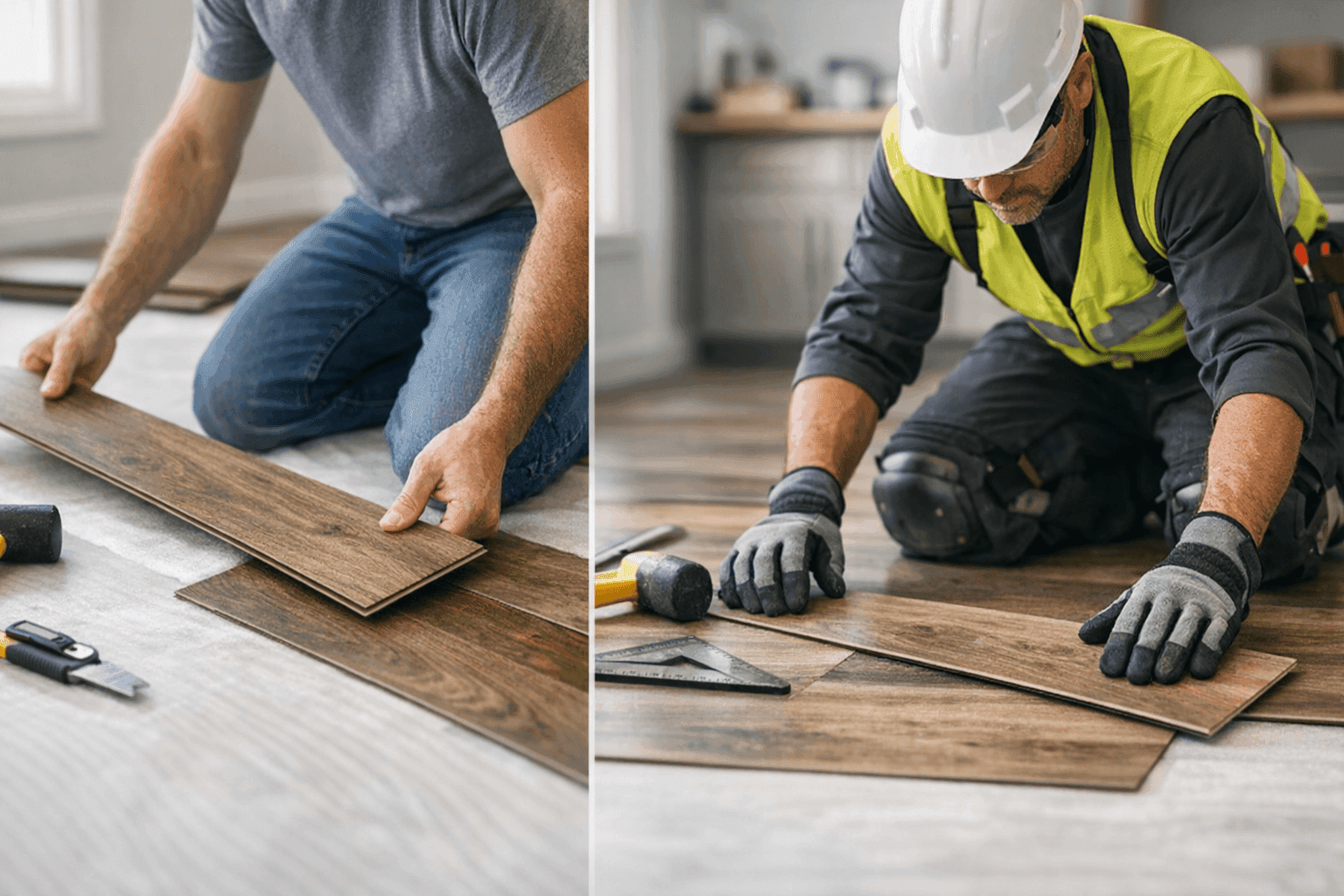
Thinking about upgrading your floors with Luxury Vinyl Plank (LVP)? You're not alone. Homeowners and business owners everywhere are drawn to LVP for its durability, style, and affordability. But when it's time to install, the big question hits: Should you go the DIY route or hire a professional?
At JC Carpet & Flooring, we’ve seen both sides of the coin. We know how a great floor can transform a space—and how installation mistakes can turn excitement into headaches. Let's break down your options, step by step, so you can make the best choice for your home or business.
What Is LVP?
Luxury Vinyl Plank (LVP) is like the Swiss Army knife of the flooring world. It mimics hardwood’s warmth but stands up to scratches, spills, and heavy foot traffic. Water-resistant and versatile, LVP is a favorite in kitchens, basements, and even commercial spaces.
Why is it trending? Unlike real wood, LVP doesn’t shrink, warp, or demand constant pampering. That means less worry and more time enjoying your new floors.
DIY Installation Process 🧰
Rolling up your sleeves and tackling LVP installation yourself? Here’s what that journey looks like, step by step:
1. Prepping the Room
- Remove all furniture and existing flooring.
- Clean the subfloor thoroughly.
- Check for dips, bumps, or moisture—these can haunt you later.
- Some installations require a moisture barrier or underlayment (especially in basements).
2. Measuring and Planning
- Measure the length and width of your room—twice!
- Plan your layout, aiming to avoid slivers of planks along edges.
- Acclimate your planks in the room for at least 48 hours. (LVP needs time to adjust to its new home.)
3. Cutting and Fitting
- Score planks with a sharp utility knife, then snap.
- Stagger seams for a natural look.
- Leave expansion gaps around walls and fixed objects (usually 1/4 inch).
4. Laying the Planks
- Start along the longest wall.
- Click or glue planks into place, depending on your product.
- Watch for misaligned seams; they’ll stick out like a sore thumb.
5. Finishing Touches
- Reinstall baseboards and trim.
- Clean up dust and debris.
- Enjoy your handiwork!
Common Pitfalls of DIY LVP Installation
DIY projects can be rewarding. But LVP isn’t as “plug-and-play” as it seems. Here are some common snags:
- Uneven subfloors: Even small bumps can cause planks to shift or separate.
- Moisture issues: Skipping a moisture barrier in basements or on concrete can lead to warping.
- Improper acclimation: Planks that go down before they’ve adapted to room temperature can expand or contract later.
- Gaps and buckling: Not leaving proper expansion gaps is a recipe for trouble.
A few missteps can mean redoing sections—or the whole floor.
Safety Checklist for DIYers
Before starting, ask yourself:
- Do I have the right tools (knee pads, spacers, saws)?
- Is my workspace clear and ventilated?
- Have I checked for hidden wires or pipes before cutting?
- Am I following manufacturer and local building codes?
- Do I know how to dispose of old flooring safely?
If you’re unsure, a quick chat with a pro—or a Flooring Consultation—can clear up confusion before costly mistakes happen.
What Do Professionals Do Differently?
When you invite a professional installer from JC Carpet & Flooring, you get more than muscle. You get expertise that comes from years of handling every curveball flooring can throw.
What Happens on Arrival?
- Detailed inspection of subfloors for hidden issues.
- Moisture and humidity testing (following practices from the National Wood Flooring Association).
- Precise measurement and layout planning to minimize waste.
- Use of commercial-grade tools for perfect cuts and tight seams.
- Professional solutions for tricky transitions, stairs, or uneven surfaces.
- Thorough cleanup and final inspection.
Benefits of Professional Install 🏆
Still on the fence? Here’s what a professional brings to the table:
- Flawless finish: Seamless planks, tight joints, and smooth transitions.
- Time savings: What takes a DIYer a weekend (or two) often takes a pro just a day.
- Problem-solving: Pros spot trouble before it starts—like hidden moisture or leveling issues.
- Code compliance: Professionals ensure your installation meets local building codes and manufacturer requirements, protecting your investment.
Cost and Time Factors
Let’s talk numbers. DIY installation might seem less expensive up front. You save on labor, but invest your own time and risk. Here’s how the math shakes out:
- DIY Costs: Materials, tool rentals/purchases, disposal fees.
- Professional Costs: Labor plus materials, but less likelihood of needing repairs or corrections.
Time is another biggie. DIYers may spend 2–3 days (or more) on a single room, especially if issues crop up. Professionals often finish in a fraction of the time, with less disruption to your routine.
Timeline and Disruption
Think of flooring like a puzzle. When a pro tackles it, the pieces snap together quickly. DIYers, especially first-timers, often face delays: running out of planks, mis-cuts, or the dreaded “what did I forget?” moment.
If you’re juggling work, family, and life’s curveballs, pro installation can save your weekends.
Seasonal Considerations
Temperature and humidity matter. LVP expands and contracts with the seasons. In colder climates or during rainy spells, installing at the wrong time—or skipping acclimation—can cause issues down the line.
Professionals time installations for best results and advise you on room conditions. The right conditions ensure your floor looks new longer.
Maintenance After Installation
Whether DIY or pro, LVP shines with basic care:
- Sweep or vacuum regularly to prevent grit and scratches.
- Mop with a damp—not soaking—cloth.
- Avoid harsh chemicals.
- Use felt pads under furniture.
Professionally installed floors may have fewer joints or gaps, making cleaning even easier.
When It’s an Emergency
Flood, burst pipe, or major damage? DIY repairs are risky. Professionals can assess, remove, and reinstall LVP to salvage your investment.
Frequently Asked Questions
Q: Can I install LVP over existing flooring?
A: Sometimes—if the surface is flat, dry, and stable. Avoid covering carpet or damaged floors.
Q: Is LVP pet-friendly?
A: Absolutely. LVP resists scratches and accidents, making it ideal for busy households.
Q: Will LVP work in commercial spaces?
A: Yes. Many businesses choose LVP for its resilience and easy maintenance.
Signs of Trouble: When to Call a Pro
- Persistent gaps or buckling.
- Soft spots or movement underfoot.
- Visible moisture damage.
- Planks that refuse to click or stay down.
These symptoms mean it’s time for a Flooring Consultation or a repair assessment.
Materials and Equipment Needed for DIY
- Utility knife and/or fine-tooth saw
- Tape measure and straight edge
- Spacers for expansion gaps
- Knee pads
- Rubber mallet
- Safety glasses and gloves
Pros arrive with all this—and years of practice.
Floor Leveling and Subfloor Repair
LVP needs a sturdy, even base. DIYers often underestimate subfloor prep, but pros know how to spot and fix problems that could shorten your new floor’s lifespan. If your subfloor squeaks, sags, or shows signs of moisture, professional repair is the safest route. Learn more about Vinyl Flooring prep and services.
Soundproofing and Moisture Barriers
For multi-story homes or commercial spaces, consider soundproofing layers and moisture barriers. These add comfort, reduce noise, and protect your investment—especially in basements or high-traffic areas.
Real-World Comparison: Which Is Right for You?
If you love hands-on projects, have basic tools, and your room is square and obstacle-free, DIY may suit you. For larger or more complex spaces, or if you value speed and a flawless finish, professional installation is the way to go.
Looking for a flooring company you can trust? JC Carpet & Flooring has helped customers throughout the region—just ask about our flooring services in Royal Oak.
The Bottom Line
Luxury Vinyl Plank (LVP) brings style and durability to any space. The best installation method? It depends on your skills, schedule, and willingness to wrestle with surprises. Weigh your options, and don’t hesitate to reach out for advice.
Call JC Carpet & Flooring now — or reach us anytime at 855-557-1115 .