Luxury Vinyl Plank vs. Laminate: Choosing the Right Floor
Are you standing in a flooring showroom, wondering which plank will stand up to your busy life? You’re not alone. At JC Carpet & Flooring, we meet homeowners and business managers every week who feel overwhelmed by the choice between luxury vinyl plank (LVP) and laminate. Both look great, but which is tougher? Which is best for pets, kitchens, or offices? Let’s get you answers—without the runaround.
The right floor can transform a room. The wrong one? It can quickly become a headache. Let’s break down the real differences between LVP and laminate so you can feel confident about your next step.
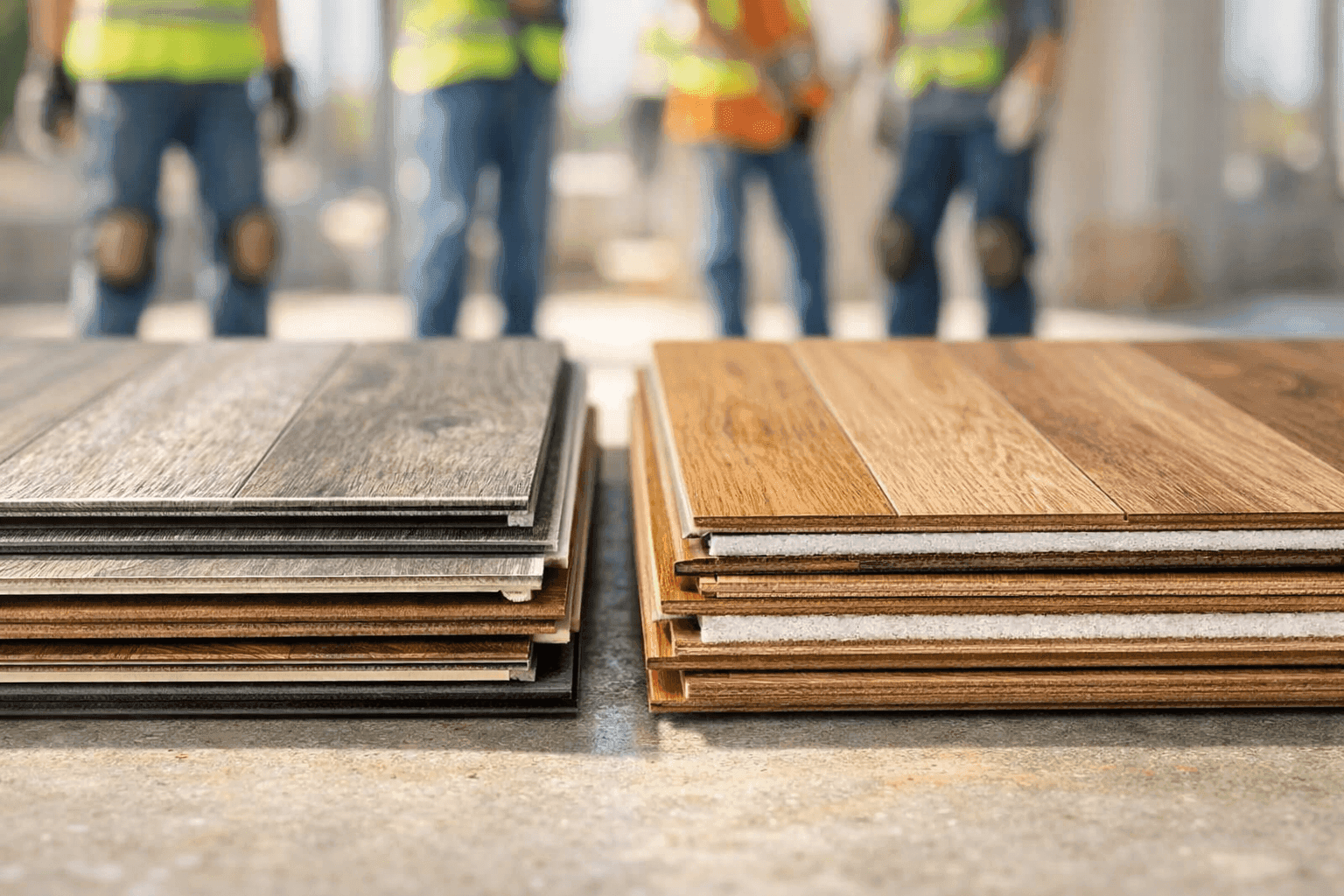
Comparing LVP and Laminate Construction
Imagine two sandwiches. Both look tasty, but what’s inside makes all the difference.
Luxury Vinyl Plank (LVP) is built with flexible layers of PVC vinyl, topped with a high-resolution image layer and tough wear coating. It’s waterproof to the core.
Laminate Flooring uses a core of dense fiberboard, topped with a photographic image and a transparent wear layer. It’s sturdy, but the core is more like pressed wood—less fond of water.
- LVP: Flexible, resilient, waterproof.
- Laminate: Rigid, wood-based, water-resistant but not waterproof.
Why does this matter? The construction affects everything from feel underfoot to how the floor handles an accidental spill.
Pros and Cons: LVP vs. Laminate
No two floors are the same. Here’s what sets these options apart:
LVP: The Ups and Downs
Pros:
- Waterproof—ideal for kitchens, bathrooms, and basements.
- Handles high-traffic areas and pet claws like a champ.
- Softer underfoot compared to tile or hardwood.
- Easier installation over slightly uneven floors.
Cons:
- Can feel a bit softer or less “solid” than wood.
- Some budget LVP can dent under heavy furniture.
- Sunlight can fade cheaper versions over time.
Laminate: The Good and the Not-So-Good
Pros:
- Feels solid—taps like real wood when you walk on it.
- Crisp, realistic wood visuals.
- Usually a bit less expensive than LVP.
- Scratch-resistant surface.
Cons:
- Water is the enemy—swelling or warping can happen if spills aren’t caught quickly.
- Not ideal for bathrooms or laundry rooms.
- Can be slippery when wet.
Maintenance Needs: What’s Involved?
Both LVP and laminate are low-fuss compared to real hardwood. Still, each has its quirks.
- LVP: Sweep or vacuum regularly. Use a damp mop—no soaking wet mops. Most brands don’t need wax or harsh chemicals.
- Laminate: Sweep or dust-mop often. Wipe spills right away. Use laminate-specific cleaners and avoid standing water.
If you have pets or kids, LVP’s waterproof nature is a lifesaver. Laminate works best in dry, low-spill zones.
Cost Considerations: What to Budget
Both LVP and laminate are wallet-friendly compared to hardwood or tile. Prices range from budget-friendly to premium, depending on thickness, brand, and finish.
- LVP: Material costs tend to be $2–$7 per square foot, with professional installation adding $1.50–$3 per square foot.
- Laminate: Material runs $1–$5 per square foot, installation usually $1–$2.50 per square foot.
Remember: Cheaper isn’t always better. Thicker planks, better wear layers, and reputable brands pay off in durability. Factor in removal of old flooring, subfloor repairs, and any add-ons like moisture barriers or soundproofing.
Durability in Real Life: Pets, Kids, and High-Traffic Areas
Think of your floor as a busy highway. How will it hold up?
- LVP: Takes muddy paws, spilled juice, and rolling office chairs in stride. Great for commercial spaces, rental properties, and busy family homes.
- Laminate: Tough against scratches and dents, but not a fan of puddles. Best for living rooms, bedrooms, and offices where water is less likely to linger.
In high-traffic commercial settings, LVP is often the winner for resilience and easier repair.
Best Use Cases: Where Each Floor Shines
LVP:
- Bathrooms, kitchens, laundry rooms
- Entryways and mudrooms
- Basements and finished garages
- Pet-friendly homes
Laminate:
- Bedrooms, living rooms, dining areas
- Offices
- Spaces where water isn’t a regular visitor
If you’re unsure, think about the “worst-case scenario” for your space. Where there’s risk of moisture, LVP is the safer bet.
Safety and Code Considerations
Some buildings require specific slip-resistance or moisture barrier ratings, especially in commercial settings. Always check local building codes (see resources like the National Wood Flooring Association and International Building Code) before choosing a new floor.
At JC Carpet & Flooring, our team can guide you through code compliance, fire ratings, and ADA accessibility when selecting Luxury Vinyl Plank (LVP).
DIY or Call a Pro?
Both LVP and laminate often feature click-lock installation systems. If you’re handy, you might tackle a small room. But for large, uneven, or tricky spaces (think stairs or oddly shaped rooms), professional installation saves time and reduces the risk of costly mistakes.
Our installers handle everything—from removing your old carpet to prepping the subfloor and making precise cuts. We also check for moisture issues and ensure your warranty stays intact.
Preventing Problems: Tips for Long-Lasting Floors
- Place mats at entryways.
- Use felt pads under furniture.
- Clean up spills quickly—especially on laminate.
- Vacuum or sweep regularly to prevent grit from scratching the surface.
- Avoid steam mops (unless your brand specifically allows them).
A little prevention goes a long way to keep your floors looking fresh.
Common Mistakes to Avoid
- Skipping the moisture barrier on concrete subfloors (especially with laminate).
- Dragging heavy furniture without padding.
- Using too much water when cleaning laminate.
- Ignoring acclimation—let those planks rest in your home for a couple days before installation.
Our Flooring Consultation helps you avoid pitfalls and choose the right materials for your space.
How Long Does Installation Take?
Most rooms are finished in a day or two, but larger or more complex projects (like open-concept offices or multi-level homes) may take longer. Factor in time for old floor removal, subfloor repairs, and cleanup.
Seasonal Considerations: Humidity and Temperature
Both LVP and laminate expand and contract with temperature changes. Laminate is more sensitive—too much moisture can cause swelling, while dry air can lead to gaps. LVP is more stable, but still benefits from proper acclimation.
A qualified installer will check humidity levels and ensure proper spacing for expansion.
Signs It’s Time to Replace Your Floor
- Warping, swelling, or buckling planks
- Persistent stains or odors
- Surface layer wearing through
- Squeaks or soft spots underfoot
Not sure? Schedule a floor inspection with JC Carpet & Flooring for honest feedback.
What About Soundproofing?
LVP is naturally quieter than tile or hardwood, but both LVP and laminate can benefit from quality underlayment. Special soundproofing pads are available for apartments or offices where noise transfer is a concern.
Flooring Removal and Prep: What to Expect
Removing old flooring is dusty work. We take care to protect your space, haul away debris, and prep the subfloor for a smooth, level install. If repairs or leveling are needed, we’ll let you know upfront.
Flooring for Every Room—And Every Need
Whether you’re dreaming of a waterproof kitchen floor or a cozy living room upgrade, both LVP and laminate offer style and value. It comes down to your space, your needs, and your daily life.
If you’re in the area, our team of flooring specialists can walk you through samples and answer your questions in person.
Ready to Choose the Right Floor?
Still weighing your options? That’s normal. Flooring isn’t just about looks—it’s about peace of mind for years to come. JC Carpet & Flooring is here with honest answers, practical advice, and a wide selection for every space.
Call JC Carpet & Flooring now — or reach us anytime at 855-557-1115 .